
Gum recession is a common dental condition in which the gum tissue gradually pulls away from the teeth, exposing more of the tooth surface or the tooth root. It may affect one tooth, several teeth, or the entire gumline. In many cases, gum recession develops slowly and may not cause obvious discomfort during the early stages.
As the gums continue to recede, patients may notice that their teeth look longer, feel more sensitive, or develop visible gaps near the gumline. Exposed tooth roots are more vulnerable to sensitivity, decay, wear, and further periodontal damage. When gum recession is associated with advanced gum disease, it may also contribute to bone loss, loose teeth, and eventual tooth loss.
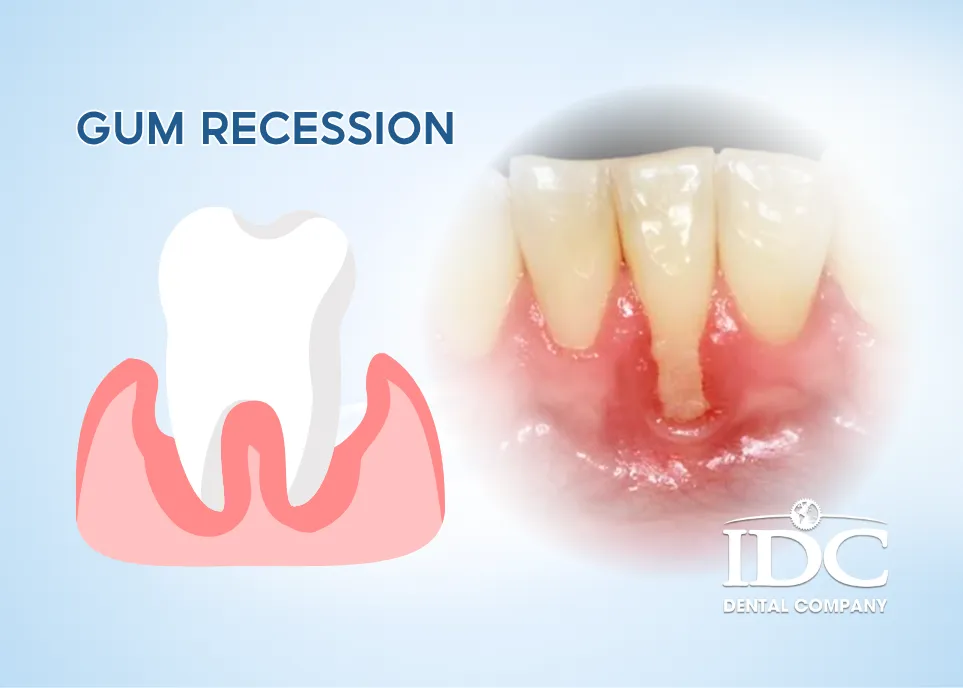
Although lost gum tissue usually does not grow back naturally, early diagnosis and appropriate treatment can help stop the condition from progressing, reduce sensitivity, improve appearance, and protect the supporting structures around the teeth.
This guide explains the causes, symptoms, diagnosis, treatment options, home care, and prevention of gum recession.
What Is Gum Recession?
Gum recession occurs when the margin of the gum tissue moves away from its normal position around the tooth. As a result, more of the tooth crown or root becomes visible.
Healthy gums fit closely around the teeth and help protect the tooth roots and supporting bone. The roots are normally covered by gum tissue and a softer dental material called cementum. Unlike tooth enamel, cementum is less resistant to acids, abrasion, and decay.
When the gums recede, the exposed root surface may become sensitive to hot, cold, sweet, acidic, or even cold air. It may also develop grooves, discoloration, or root cavities.
Gum recession is not a disease by itself. Instead, it is a clinical sign that may result from several different factors, including periodontal disease, aggressive brushing, thin gum tissue, tooth position, smoking, or excessive bite forces.
Can Gum Recession Be Reversed?
In most cases, gum tissue that has already been lost does not grow back naturally. Improving oral hygiene, changing brushing habits, and treating gum disease can help prevent further recession, but these measures do not normally rebuild the missing tissue.
Some minor areas may appear healthier after inflammation is reduced. However, this improvement should not be confused with true regrowth of the gums.
When recession causes significant sensitivity, root exposure, aesthetic concerns, or an increased risk of root decay, treatment may include composite bonding, desensitizing products, orthodontic correction, or gum graft surgery.
The most appropriate treatment depends on the cause, severity, location, and condition of the surrounding gum and bone.
What causes gum recession?
Gum recession can develop for many reasons. In some patients, several contributing factors are present at the same time.
Periodontal disease
Periodontal disease is one of the most serious causes of gum recession.
Gingivitis begins when bacterial plaque accumulates around the gumline, causing redness, swelling, and bleeding. Gingivitis itself does not usually cause permanent bone loss and can often be reversed with professional cleaning and improved oral hygiene.
If the inflammation progresses to periodontitis, however, the gums may separate from the teeth and form periodontal pockets. Bacteria can then spread deeper beneath the gumline, damaging the ligament and bone that support the teeth.
As the supporting tissues break down, the gums may recede and the teeth may become loose.
Aggressive tooth brushing
Brushing too hard can gradually wear away the gum tissue, particularly when a hard-bristled toothbrush or abrasive toothpaste is used.
Some people believe that strong pressure cleans the teeth more effectively. In reality, plaque is soft and can usually be removed with gentle, controlled brushing.
Aggressive horizontal scrubbing may damage both the gums and the tooth surface near the gumline. Over time, this can produce exposed roots, notches in the teeth, and increased sensitivity.
Poor oral hygiene
Inadequate brushing and cleaning between the teeth allow plaque to build up around the gumline.
Plaque can eventually harden into tartar, which cannot be removed completely with a regular toothbrush. Tartar creates a rough surface that traps more bacteria and keeps the gums inflamed.
Persistent inflammation can contribute to periodontal disease, gum recession, bad breath, and bone loss.
Teeth grinding and clenching
Teeth grinding, also known as bruxism, places excessive pressure on the teeth and supporting tissues.
Repeated grinding or clenching may contribute to tooth wear, cracks, gum recession, jaw discomfort, and changes in the bite. The forces may be especially damaging when the teeth are misaligned or when only a few teeth receive most of the pressure.
A dentist may recommend a custom night guard to reduce the effects of nighttime grinding.
Misaligned teeth
Teeth that are crowded, rotated, or positioned too far toward the lips or cheeks may have thin gum and bone coverage.
When a tooth sits outside the ideal position in the dental arch, the gum tissue around it may be more vulnerable to recession. In selected cases, orthodontic treatment can move the tooth into a healthier position and reduce harmful pressure on the supporting tissues.
Thin gum tissue and genetics
Some people naturally have thinner gum tissue than others.
Thin gums are more delicate and may recede more easily in response to brushing pressure, orthodontic movement, inflammation, trauma, or normal functional forces.
A family history of gum recession or periodontal disease may also increase risk, although genetics does not make recession unavoidable. Good oral hygiene and regular dental care remain important.
Smoking and Tobacco Use
Smoking is strongly associated with periodontal disease and delayed healing.
Tobacco affects blood flow, immune response, and the body’s ability to fight infection. Smokers may develop deeper periodontal pockets, greater bone loss, and a higher risk of tooth loss.
Because smoking can reduce visible gum bleeding, periodontal disease may progress without obvious warning signs.
Hormonal changes
Hormonal changes during puberty, pregnancy, menstruation, and menopause can influence the way gum tissue responds to plaque.
Hormonal changes do not directly cause every case of gum recession, but they may increase inflammation or sensitivity, especially when plaque control is inadequate.
Lip and tongue piercings
Jewelry that repeatedly rubs against the gums may cause localized trauma.
Lip piercings can damage the gums around the front teeth, while tongue jewelry may strike the teeth and contribute to chips, cracks, or gum injury.
Removing or repositioning the jewelry may be necessary to prevent continued damage.
Aging
Gum recession becomes more common with age because the teeth and gums have been exposed to brushing, chewing, dental disease, restorations, and environmental factors for a longer period.
However, gum recession should not automatically be considered a normal or harmless part of aging. Older adults can still benefit from diagnosis and treatment.
Signs and Symptoms of Gum Recession
Gum recession often develops slowly. Many patients first notice a change in appearance or sensitivity rather than pain.
Common signs include:
- Teeth appearing longer than before
- Visible yellowish tooth roots
- Sensitivity to hot, cold, sweet, or acidic foods
- Sharp discomfort when brushing near the gumline
- Notches or grooves near the gums
- Uneven gum margins
- Red, swollen, or bleeding gums
- Gaps forming between the teeth
- Food becoming trapped near the exposed roots
- Persistent bad breath
- Loose teeth in advanced cases
The exposed root may appear darker or more yellow than the enamel because root surfaces have a different color and structure.
Not every case causes discomfort. Some patients have significant recession without sensitivity, while others experience sharp pain from a relatively small exposed area.
Stages of Gum Recession
Gum recession may be described as mild, moderate, or severe depending on how much root surface is exposed and whether there is damage between the teeth.
Mild gum recession
In mild cases, only a small amount of the root is visible. Sensitivity may be minimal or absent.
Treatment may focus on correcting brushing technique, controlling plaque, using desensitizing products, and monitoring the area.
Moderate gum recession
Moderate recession may produce noticeable root exposure, sensitivity, aesthetic concerns, or increased risk of root decay.
Professional treatment may include deep cleaning, bonding, bite correction, orthodontic treatment, or gum grafting, depending on the cause.
Severe gum recession
Severe recession may involve extensive root exposure, loss of supporting tissue, deep periodontal pockets, bone loss, or tooth mobility.
These cases may require periodontal surgery and long-term maintenance. When the supporting structures are severely damaged, the prognosis of the tooth may be reduced.
How dentists diagnose gum recession
A dentist can usually identify gum recession during a clinical examination.
Clinical examination
The dentist evaluates the color, thickness, position, and condition of the gums. The amount of visible root surface is measured and documented.
The dentist may also look for abrasion, tooth wear, plaque, tartar, inflammation, and signs of trauma.
Periodontal pocket measurements
A periodontal probe is used to measure the space between the teeth and gums.
Deep pockets may indicate periodontitis. Bleeding during probing can also suggest active inflammation.
Dental X-Rays
X-rays may be needed to evaluate the bone supporting the teeth.
They help determine whether the recession is mainly related to surface trauma or deeper periodontal disease.
Bite and tooth position evaluation
The dentist may assess whether misaligned teeth, grinding, clenching, or uneven bite forces are contributing to the recession.
Medical history, medications, smoking habits, and previous orthodontic treatment may also be reviewed.
Gum recession treatment options
Treatment depends on the underlying cause, severity of the recession, level of sensitivity, and condition of the supporting gum and bone.
Professional dental cleaning
When plaque and tartar are contributing to gum inflammation, professional cleaning may be the first step.
The dentist or dental hygienist removes bacterial deposits from areas that are difficult to clean at home. The teeth may then be polished to reduce surface roughness and staining.
Professional cleaning can improve gum health and reduce inflammation, but it does not replace tissue that has already been lost.
Scaling and root planing
Scaling and root planing may be recommended when gum recession is associated with periodontitis.
Scaling removes tartar and bacteria from above and below the gumline. Root planing smooths the tooth roots to make them easier to keep clean and to support healing.
Local anesthesia may be used for comfort. The procedure can be completed in one or several appointments, depending on the extent of the disease.
After treatment, the gums may tighten as inflammation decreases. This may make the recession appear more noticeable, but it reflects healthier tissue rather than worsening disease.
Desensitizing treatments
Exposed roots can cause sharp sensitivity because they are not protected by enamel.
Treatment options may include:
- Desensitizing toothpaste
- Fluoride varnish
- Prescription-strength fluoride products
- Dental sealants
- Protective bonding agents
- In-office sensitivity treatments
These products help reduce nerve response or block pathways that transmit sensitivity.
Composite bonding
Composite resin can sometimes be applied to an exposed root surface.
Bonding may improve appearance, reduce sensitivity, protect the root from wear, and lower the risk of root decay.
It is most suitable for selected cases and does not treat active periodontal disease. The gum condition should be stable before cosmetic or restorative treatment is performed.
Gum graft surgery
Gum grafting is one of the most effective ways to cover exposed roots and increase the thickness of the gum tissue.
During the procedure, tissue may be taken from another area of the mouth or obtained from a suitable grafting material. The graft is placed over or near the recession and secured while healing occurs.
Common grafting techniques include:
Connective tissue graft
A small amount of connective tissue is collected from beneath the surface of the palate and placed over the exposed root.
This is one of the most commonly used techniques for root coverage.
Free Gingival Graft
A thin layer of tissue is taken directly from the palate and attached to the recession area.
This technique may be used when the main goal is to increase gum thickness.
Pedicle Graft
Nearby gum tissue is repositioned to cover the exposed root.
This method requires enough healthy gum tissue next to the affected area.
Gum grafting may reduce sensitivity, improve appearance, protect the roots, and make the area easier to maintain. Complete root coverage is not possible in every case, especially when there is significant tissue or bone loss between the teeth.
Pinhole Surgical Technique
The pinhole surgical technique is a minimally invasive approach used in selected cases of gum recession.
Through a small opening in the gum, the tissue is loosened and repositioned over the exposed root. Collagen strips may be used to stabilize the tissue.
Potential benefits include limited incisions and reduced postoperative discomfort. However, it is not suitable for every patient or every type of recession. Traditional grafting may provide more predictable results in some situations.
Orthodontic Treatment
When a tooth is positioned too far outside the supporting bone, orthodontic treatment may help move it into a healthier position.
This can reduce tension on the gum tissue and create better conditions for long-term stability. Gum grafting may still be needed before or after orthodontic treatment, depending on tissue thickness and the amount of recession.
Bite Adjustment
If excessive bite pressure is contributing to gum damage, the dentist may adjust the bite or recommend a night guard.
The goal is to reduce harmful forces and protect the teeth and supporting tissues.
Treatment of Tooth Decay or Wear
Exposed roots are more vulnerable to cavities and abrasion.
Root decay may be treated with fluoride, bonding, fillings, or other restorative procedures. The treatment choice depends on the size and location of the defect.
Home Care for Receding Gums
Home care cannot regrow lost gum tissue, but it can help prevent further damage and reduce sensitivity.
Brush Gently
Use a soft-bristled toothbrush and avoid heavy pressure.
Hold the brush at a gentle angle toward the gumline and use small circular motions. Avoid aggressive horizontal scrubbing.
An electric toothbrush with a pressure sensor may be helpful for patients who brush too hard.
Use Fluoride Toothpaste
Fluoride toothpaste helps strengthen the teeth and protect exposed root surfaces from decay.
Patients with sensitivity may benefit from a desensitizing toothpaste containing ingredients such as potassium nitrate or stannous fluoride.
Clean Between the Teeth
Daily flossing or interdental cleaning helps remove plaque that a toothbrush cannot reach.
The most appropriate tool may include dental floss, interdental brushes, water flossers, or specialized devices for bridges and braces.
Use Mouthwash When Recommended
An antibacterial or fluoride mouthwash may be recommended in selected cases.
Mouthwash should support, not replace, brushing, interdental cleaning, and professional care.
Maintain a Balanced Diet
Limit frequent sugary and acidic foods and drinks. These can increase the risk of decay and sensitivity on exposed roots.
A balanced diet also supports normal gum health and healing.
What Home Remedies Cannot Do
Home remedies cannot rebuild gum tissue, remove deep tartar, correct bone loss, or treat advanced periodontitis.
Saltwater rinses may temporarily soothe inflamed gums, while sensitivity toothpaste may reduce discomfort. However, these measures do not correct the underlying cause when active gum disease, tooth position, or traumatic brushing is involved.
Patients should avoid applying undiluted essential oils, aspirin, strong peroxide, or other irritating substances directly to the gums.
What Happens If Gum Recession Is Left Untreated?
Untreated gum recession may gradually worsen, particularly when the original cause remains present.
Possible complications include:
- Increasing tooth sensitivity
- Root surface decay
- Tooth wear near the gumline
- Gum inflammation
- Food trapping
- Aesthetic changes
- Periodontal pocket formation
- Bone loss
- Loose teeth
- Tooth loss
The outcome depends on the cause. Recession caused mainly by brushing trauma may progress differently from recession caused by advanced periodontitis.
Early evaluation helps identify the risk and prevent avoidable damage.
Gum Recession and Tooth Sensitivity
Tooth roots contain microscopic channels that communicate with the nerve inside the tooth.
When roots are exposed, hot, cold, acidic, sweet, or tactile stimulation may travel through these channels and cause sharp discomfort.
Sensitivity treatment may include desensitizing toothpaste, fluoride varnish, bonding, gum grafting, or treatment of root decay.
Patients should also avoid brushing immediately after consuming acidic foods or drinks because the root surface may be more vulnerable to abrasion.
Gum Recession in Older Adults
Gum recession is more common in older adults, but age alone is not the only cause.
Contributing factors may include years of brushing pressure, previous periodontal disease, tooth wear, smoking, dry mouth, medications, and older dental restorations.
Treatment for older adults is based on general health, oral hygiene ability, medications, tissue condition, and personal goals. Age does not automatically prevent a patient from receiving periodontal treatment or gum graft surgery.
Can Gum Recession Be Prevented?
Not every case is preventable, particularly when thin gum tissue or tooth position is involved. However, many risk factors can be controlled.
Helpful preventive measures include:
- Brush gently with a soft-bristled toothbrush
- Avoid abrasive brushing techniques
- Clean between the teeth every day
- Attend regular dental examinations
- Have professional cleaning as recommended
- Treat gingivitis and periodontitis early
- Stop smoking and avoid tobacco
- Wear a night guard if you grind your teeth
- Correct harmful bite forces when necessary
- Monitor gum health during orthodontic treatment
- Avoid lip or tongue jewelry that damages the gums
- Manage diabetes and other health conditions
Frequently Asked Questions
Can receding gums grow back naturally?
Usually, no. Lost gum tissue generally does not regenerate naturally. Treatment can stop further progression, reduce sensitivity, and restore tissue through gum grafting in selected cases.
Is gum recession permanent?
The tissue loss is usually permanent without surgical treatment. However, the condition can often be stabilized so it does not continue to worsen.
Can brushing too hard cause gum recession?
Yes. Aggressive brushing, especially with a hard-bristled toothbrush, can damage the gumline and expose the roots.
Is gum recession always caused by gum disease?
No. It may also result from brushing trauma, thin gum tissue, tooth position, grinding, smoking, piercings, or orthodontic factors.
How do dentists fix receding gums?
Treatment may include professional cleaning, deep cleaning, desensitizing products, bonding, bite adjustment, orthodontics, or gum graft surgery.
Does gum graft surgery hurt?
Local anesthesia is used during the procedure. Patients may experience soreness or swelling during recovery, but discomfort can usually be managed with the dentist’s instructions and prescribed medication.
Can gum recession cause tooth loss?
Recession alone does not always cause tooth loss. However, when it is associated with severe periodontitis and bone loss, the teeth may become loose and eventually require removal.
How can I stop gum recession from getting worse?
The first step is identifying the cause. Gentle brushing, plaque control, smoking cessation, treatment of gum disease, and management of grinding or bite problems may help prevent progression.
When Should You See a Dentist?
Schedule a dental examination if you notice:
- Teeth appearing longer
- Visible root surfaces
- New or increasing sensitivity
- Red, swollen, or bleeding gums
- Gum recession that continues to progress
- Persistent bad breath
- Pain while brushing or eating
- Loose teeth
- Pus or swelling around the gums
You should seek prompt care if swelling spreads, severe pain develops, or a tooth becomes suddenly loose.


 WhatsApp