
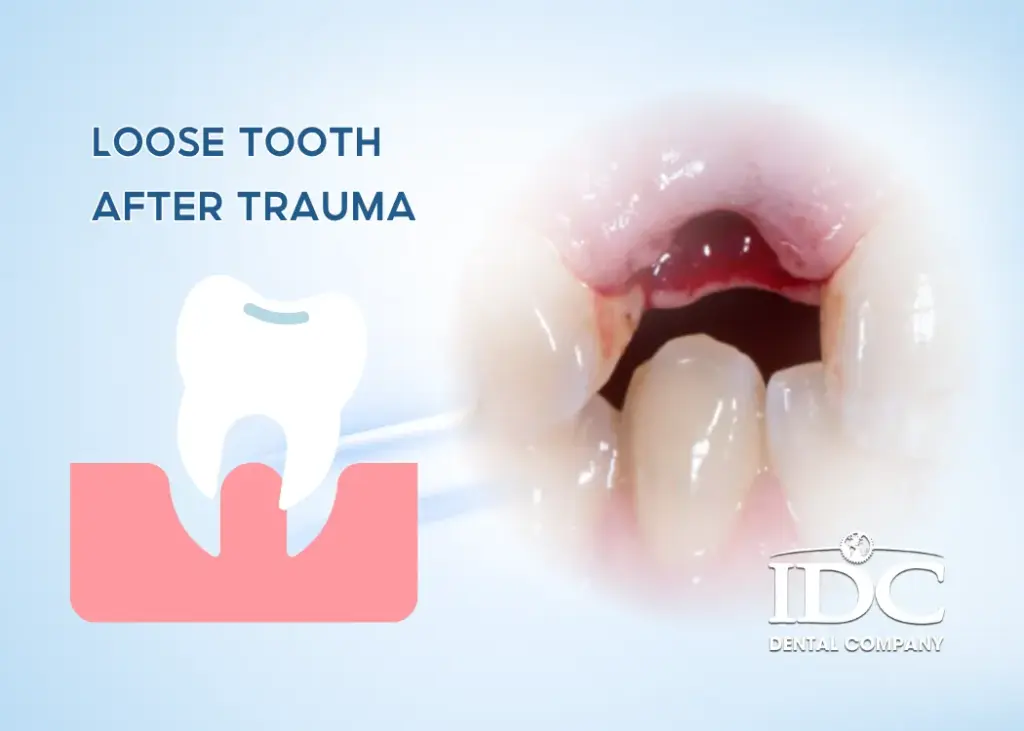
A loose tooth after trauma can be alarming, whether it happens during a sports game, a fall, a traffic accident, or an unexpected blow to the face. While some injuries may only cause temporary discomfort, others can damage the tooth, surrounding gums, periodontal ligament, or jawbone. Acting quickly is essential because the sooner a loose tooth is evaluated and treated, the greater the chance of saving it.
Many people assume that a loose permanent tooth will tighten on its own after an injury. Unfortunately, this is not always the case. Without prompt professional care, what starts as a minor injury can progress to infection, root damage, tooth loss, or long-term bite problems.
The good news is that modern dentistry offers highly effective treatments for traumatic dental injuries. Depending on the severity of the damage, a loose tooth may recover with simple monitoring, splinting, root canal therapy, or other restorative procedures.
In this comprehensive guide, you’ll learn everything you need to know about loose tooth after trauma, including its causes, symptoms, emergency first aid, treatment options, recovery timeline, possible complications, and how to protect your smile after an injury.
What Is a Loose Tooth After Trauma?
A loose tooth after trauma refers to a permanent tooth that becomes mobile following a physical injury. Unlike naturally loose baby teeth, permanent teeth are designed to remain firmly attached to the jawbone throughout life.
Every tooth is supported by:
- The periodontal ligament
- Surrounding gum tissue
- Alveolar bone
- Tooth root
- Connective tissues
When trauma occurs, one or more of these supporting structures can become damaged, causing the tooth to move.
The degree of mobility varies depending on the severity of the injury.
Some teeth feel only slightly loose, while others may shift position or become partially dislodged from the socket.
Common Causes of a Loose Tooth After Trauma
Dental trauma can happen unexpectedly in everyday life.
Sports Injuries
Contact sports such as football, basketball, hockey, martial arts, and cycling frequently cause dental injuries.
Without a protective mouthguard, even minor collisions can loosen teeth.
Falls
Slipping on wet surfaces or falling from stairs is another common cause, especially among children and older adults.
A direct impact on the mouth can injure both the teeth and surrounding bone.
Car or Motorcycle Accidents
Traffic accidents often involve significant facial trauma.
Even when seat belts and airbags reduce serious injuries, the mouth may still suffer enough impact to loosen one or more teeth.
Physical Assault
A punch or blunt force to the face can damage the periodontal ligament and surrounding bone.
Prompt dental evaluation is recommended after any facial injury.
Biting Hard Objects
Chewing ice, hard candy, popcorn kernels, or opening packages with your teeth may create enough force to damage a weakened tooth.
Workplace Accidents
Construction sites, factories, and industrial workplaces expose employees to facial injuries if proper protective equipment is not used.
Types of Dental Trauma That Can Cause Loose Teeth
Not all dental injuries are the same.
Dentists classify traumatic injuries based on how much damage has occurred.
Tooth Concussion
The tooth remains in its normal position but feels tender when biting.
Usually, there is no obvious looseness.
Subluxation
A subluxated tooth is loose but has not moved from its original position.
The periodontal ligament has been injured, but the tooth remains inside the socket.
This is one of the most common causes of a loose tooth after trauma.
Extrusive Luxation
The tooth is partially pulled out of its socket.
Patients often notice that the injured tooth appears longer than neighboring teeth.
Lateral Luxation
The tooth is displaced sideways.
The surrounding bone is often fractured.
Intrusive Luxation
The tooth is pushed deeper into the jawbone.
This severe injury requires immediate professional treatment.
Root Fracture
Trauma can fracture the root beneath the gumline.
Root fractures are not always visible without dental X-rays.
Alveolar Bone Fracture
Sometimes the surrounding jawbone breaks together with one or more teeth.
These injuries usually require emergency dental care.
Symptoms That Require Immediate Dental Attention
Following an accident, several symptoms may indicate significant dental trauma.
These include:
- Loose or wobbly tooth
- Pain while chewing
- Bleeding around the gums
- Swollen gums
- Tooth displacement
- Broken or chipped tooth
- Bite feels different
- Difficulty closing the mouth normally
- Facial swelling
- Jaw pain
- Persistent sensitivity
- Numbness
Any of these symptoms should be evaluated as soon as possible.
What Should You Do Immediately After a Tooth Injury?
The first few hours after trauma are critical.
Stay Calm
Although dental injuries can be frightening, staying calm allows you to make better decisions.
Do Not Wiggle the Tooth
Many people repeatedly test whether the tooth is still loose.
This may worsen ligament damage.
Leave the tooth undisturbed.
Control Bleeding
If bleeding occurs:
- Apply clean gauze
- Bite gently for 15–20 minutes
- Avoid excessive pressure
Apply a Cold Compress
Place an ice pack outside the cheek.
Cold helps reduce:
- Pain
- Swelling
- Inflammation
Apply for 15–20 minutes at a time.
Eat Soft Foods
Choose foods such as:
- Yogurt
- Soup
- Mashed potatoes
- Smoothies
- Scrambled eggs
Avoid chewing directly on the injured tooth.
Contact an Emergency Dentist Immediately
The sooner treatment begins, the higher the chance of preserving the natural tooth.
Ideally, seek professional evaluation within a few hours.
What Should You Avoid?
Certain actions can make the injury worse.
Avoid:
- Pulling the tooth
- Pushing it back yourself
- Chewing hard foods
- Smoking
- Alcohol
- Touching the tooth repeatedly
- Ignoring persistent symptoms
How Dentists Diagnose a Loose Tooth
A thorough examination helps determine the severity of the injury.
The dentist may perform:
Clinical Examination
Checking:
- Tooth position
- Gum condition
- Swelling
- Bleeding
Mobility Test
The degree of looseness helps classify the injury.
Bite Evaluation
The dentist checks whether the upper and lower teeth fit together properly.
Digital Dental X-rays
X-rays reveal:
- Root fractures
- Bone fractures
- Tooth displacement
- Hidden injuries
CBCT Scan
For more complex injuries, a Cone Beam CT scan provides detailed three-dimensional images.
Pulp Vitality Testing
The dentist evaluates whether the tooth nerve remains healthy.
Sometimes the nerve survives initially but dies weeks or months later, making follow-up visits essential.
Treatment Options for a Loose Tooth After Trauma
Treatment depends entirely on the severity of the injury.
Observation
Minor injuries may only require monitoring.
The tooth often stabilizes naturally over several weeks.
Dental Splinting
Moderately loose teeth are commonly stabilized using a flexible splint.
The injured tooth is temporarily attached to neighboring teeth, allowing the supporting tissues to heal.
Splints are typically worn for:
- 2 weeks
- 4 weeks
- Longer for severe injuries
Root Canal Treatment
If trauma damages the tooth pulp, root canal therapy may be necessary.
Signs include:
- Persistent pain
- Darkening of the tooth
- Infection
- Loss of vitality
Repairing Broken Teeth
If the tooth is chipped or fractured, treatment may include:
- Composite bonding
- Dental veneers
- Crowns
depending on the amount of damage.
Gum Treatment
Lacerations or torn gums may require cleaning and sutures.
Proper wound care reduces infection risk.
Surgical Treatment
Severe injuries involving bone fractures or displaced teeth sometimes require oral surgery.
Tooth Extraction
Extraction is considered only when the tooth cannot be saved.
Modern dentistry always prioritizes preserving natural teeth whenever possible.
Recovery Timeline
Healing varies between patients.
First 24 Hours
Pain and swelling are most noticeable.
Cold compresses and prescribed medication help manage discomfort.
First Week
Soft tissues begin healing.
Patients should continue eating soft foods and maintaining excellent oral hygiene.
Two to Four Weeks
Splinted teeth may become more stable.
Follow-up examinations are essential.
Several Months
The periodontal ligament continues healing.
Additional X-rays may be taken.
Long-Term Follow-Up
Some traumatic injuries require monitoring for one year or longer to ensure the tooth remains healthy.
Home Care During Recovery
Patients can improve healing by following simple recommendations.
Brush Gently
Use a soft toothbrush around the injured area.
Maintain Good Oral Hygiene
Plaque buildup increases infection risk.
Follow a Soft Diet
Avoid:
- Nuts
- Hard candy
- Ice
- Steak
- Crusty bread
Take Medications as Directed
Follow your dentist’s instructions regarding:
- Pain medication
- Antibiotics
- Mouth rinses
Attend Follow-Up Visits
Even if symptoms improve, follow-up appointments allow the dentist to detect hidden complications early.
Possible Complications If Left Untreated
Ignoring a loose tooth after trauma can lead to serious problems.
Possible complications include:
- Tooth loss
- Infection
- Dental abscess
- Pulp necrosis
- Root resorption
- Gum recession
- Bone loss
- Chronic pain
- Bite problems
- Difficulty chewing
Early treatment significantly reduces these risks.
Can a Loose Tooth Tighten Again?
In many cases, yes.
A mildly loose tooth caused by ligament injury can become stable again if treated promptly.
The likelihood of recovery depends on:
- Severity of trauma
- Patient age
- Overall oral health
- Speed of treatment
- Root condition
- Bone support
Even severely injured teeth can often be preserved with modern dental techniques.
How to Prevent Dental Trauma
Although accidents cannot always be avoided, certain habits reduce the risk.
- Wear a mouthguard during contact sports.
- Always use seat belts.
- Childproof the home to prevent falls.
- Avoid chewing hard objects.
- Never use teeth as tools.
- Visit your dentist regularly to maintain strong, healthy teeth.
When Should You Visit an Emergency Dentist?
Seek immediate dental care if you experience:
- A loose permanent tooth
- Tooth displacement
- Heavy bleeding
- Severe pain
- Broken teeth
- Swollen gums
- Difficulty biting
- Facial swelling after trauma
Prompt treatment offers the best chance of saving the injured tooth and preventing long-term complications.
Why Choose Our Dental Clinic for Dental Trauma Treatment in Da Nang
If you experience a loose tooth after trauma while living in or visiting Da Nang, choosing an experienced dental team is essential. Our clinic provides comprehensive emergency dental care using modern diagnostic technology and evidence-based treatment protocols.
Our services include:
- Experienced dentists trained in dental trauma management
- Digital X-rays and CBCT imaging for accurate diagnosis
- Personalized treatment plans tailored to each injury
- High-quality splinting and restorative solutions
- Comfortable care in a modern clinical environment
- English-speaking dental team for international patients and overseas Vietnamese
- Comprehensive follow-up to monitor healing and long-term tooth health
Whether your injury is minor or severe, early evaluation can significantly improve the chances of preserving your natural tooth and restoring a healthy, functional smile.
Frequently Asked Questions
Can a loose permanent tooth heal by itself?
Mild injuries may heal with proper care, but every loose permanent tooth should be examined by a dentist to rule out hidden damage.
How long does recovery take?
Most minor injuries improve within a few weeks, while more severe cases may require several months of monitoring.
Is dental splinting painful?
The procedure is generally comfortable. Local anesthesia may be used if necessary.
Will I always need a root canal after trauma?
No. Root canal treatment is only recommended if the tooth’s pulp becomes irreversibly damaged or infected.
What happens if I ignore a loose tooth?
Untreated injuries can lead to infection, pulp death, bone loss, and eventually tooth loss.



 WhatsApp