
Remove tartar from teeth regularly is one of the simplest yet most important steps you can take to maintain a healthy smile. While brushing and flossing help remove soft plaque every day, they cannot eliminate hardened tartar once it forms. If tartar is left untreated, it creates the perfect environment for bacteria to thrive, increasing the risk of cavities, gum disease, persistent bad breath, and even tooth loss.
Many people mistakenly believe tartar is only a cosmetic issue because it often appears as yellow or brown deposits near the gumline. In reality, tartar is a major contributor to periodontal disease and other oral health problems that can affect both your teeth and overall well-being.
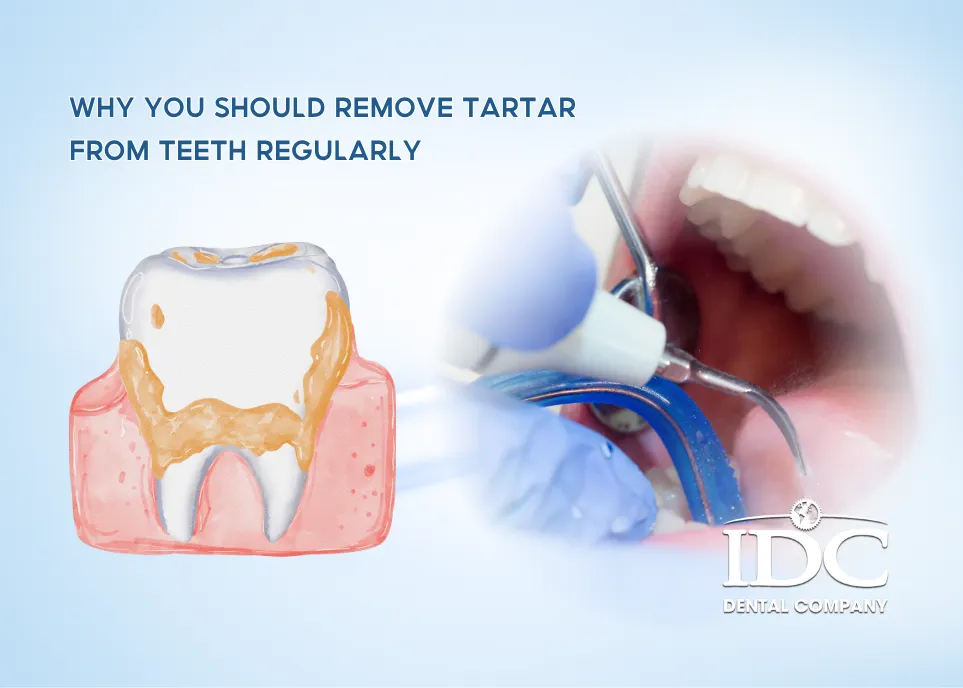
Fortunately, professional tartar removal is a safe, comfortable, and effective preventive treatment that helps protect your natural teeth for years to come.
In this guide, you’ll learn what dental tartar is, why it develops, why regular removal is essential, how dentists remove tartar professionally, and how you can prevent it from building up again.
What Is Dental Tartar?
Dental tartar, also known as dental calculus, is hardened plaque that firmly attaches to the surface of your teeth. Unlike soft plaque, tartar cannot be removed with a toothbrush or dental floss.
Plaque forms naturally every day when bacteria combine with saliva and food particles. If plaque remains on the teeth for 24 to 72 hours, minerals in saliva begin to harden it into tartar.
Once tartar forms, it becomes rough and porous, making it even easier for more plaque and bacteria to accumulate. This creates a continuous cycle that can gradually damage both the teeth and gums.
Because tartar is firmly bonded to the tooth surface, it requires professional dental instruments for safe removal.
Plaque vs. Tartar: What’s the Difference?
Although people often confuse plaque and tartar, they are not the same.
Dental Plaque
Plaque is:
- Soft and sticky
- Colorless or pale yellow
- Easily removed with proper brushing and flossing
- Constantly forming throughout the day
Dental Tartar
Tartar is:
- Hardened plaque
- Yellow, brown, or black in color
- Firmly attached to the teeth
- Impossible to remove at home
- Requires professional dental cleaning
The longer tartar remains on the teeth, the more difficult it becomes to remove and the greater the risk of oral disease.
Why Does Tartar Build Up on Teeth?
Although everyone develops plaque, certain habits and conditions accelerate tartar formation.
Poor Oral Hygiene
Brushing less than twice a day allows plaque to remain on the teeth long enough to harden into tartar.
Skipping flossing also leaves bacteria between the teeth where a toothbrush cannot reach.
Sugary and Starchy Foods
Foods rich in sugar and carbohydrates feed oral bacteria.
Examples include:
- Candy
- Cakes
- Bread
- Soft drinks
- Sweet coffee
- Cookies
These foods encourage plaque formation, which eventually becomes tartar if not removed.
Smoking and Tobacco Use
Smoking increases bacterial growth and reduces healthy saliva flow.
Smokers typically develop heavier tartar deposits and are more likely to suffer from gum disease.
Dry Mouth
Saliva naturally helps clean the teeth.
People with reduced saliva production often experience faster plaque and tartar accumulation.
Crowded Teeth or Braces
Crooked teeth, braces, retainers, and dental appliances create small spaces where plaque is difficult to remove.
These areas often become common sites for tartar buildup.
Missing Routine Dental Cleanings
Even individuals with excellent oral hygiene benefit from regular professional cleanings.
Without them, small tartar deposits gradually become larger and harder.
Why You Should Remove Tartar from Teeth Regularly
Regular tartar removal provides benefits that extend far beyond cosmetic improvements.
Prevent Tooth Decay
Tartar traps harmful bacteria close to the teeth.
These bacteria produce acids that weaken enamel and eventually create cavities.
Removing tartar reduces bacterial activity and lowers the risk of tooth decay.
Reduce the Risk of Gingivitis
Gingivitis is the earliest stage of gum disease.
When tartar accumulates near the gumline, bacteria irritate the gums, causing:
- Redness
- Swelling
- Bleeding
- Tenderness
Professional cleaning removes these irritants before permanent damage occurs.
Prevent Periodontal Disease
If gingivitis is not treated, it may progress to periodontitis.
This advanced gum disease destroys:
- Gum tissue
- Periodontal ligaments
- Supporting bone
Eventually, teeth may become loose or fall out.
Regular tartar removal significantly reduces this risk.
Eliminate Persistent Bad Breath
One of the most common causes of chronic bad breath is bacteria living inside tartar deposits.
Removing tartar helps eliminate these bacteria and improves oral freshness.
Protect Tooth Enamel
Although tartar itself does not dissolve enamel, the bacteria living within it continuously produce acids that do.
Removing tartar protects enamel from ongoing bacterial attack.
Reduce Surface Stains
Tartar easily absorbs pigments from:
- Coffee
- Tea
- Wine
- Tobacco
Professional cleaning removes many of these surface stains, leaving teeth cleaner and brighter.
Preserve Healthy Gums
Healthy gums fit tightly around the teeth.
Removing tartar helps reduce inflammation and allows gums to remain firm and healthy.
Prevent Loose Teeth and Tooth Loss
Advanced tartar buildup contributes to bone loss around the teeth.
As bone support decreases, teeth gradually become loose.
Routine professional cleaning helps preserve the structures supporting your teeth.
Improve Overall Oral Health
Professional tartar removal is one of the most effective preventive treatments available.
It reduces the likelihood of requiring more expensive procedures such as:
- Deep cleaning
- Gum surgery
- Tooth extraction
- Dental implants
What Happens If Tartar Is Left Untreated?
Ignoring tartar allows bacteria to continue damaging the mouth.
Possible complications include:
- Gingivitis
- Periodontitis
- Gum recession
- Root decay
- Bone loss
- Loose teeth
- Persistent bad breath
- Tooth loss
These conditions often require more complex and costly treatment than routine preventive cleaning.
Can You Remove Tartar at Home?
Many online videos claim tartar can be removed using home remedies or scraping tools.
Unfortunately, these methods are neither effective nor safe.
Why Brushing Isn’t Enough
Brushing removes soft plaque but cannot remove hardened tartar.
Do Home Remedies Work?
Some products claim to dissolve tartar naturally.
While certain toothpastes may slow plaque accumulation, none can safely remove existing tartar.
Risks of DIY Tartar Removal
Attempting to scrape tartar yourself can cause:
- Gum injury
- Enamel damage
- Infection
- Increased tooth sensitivity
Professional treatment remains the safest option.
How Dentists Remove Tartar Professionally
Professional tartar removal is a comfortable procedure performed using specialized instruments.
Oral Examination
The dentist first evaluates your teeth and gums.
This helps determine the amount of tartar and identify any signs of gum disease.
Digital X-rays
If necessary, X-rays assess bone levels and detect hidden dental problems.
Ultrasonic Scaling
An ultrasonic scaler uses gentle vibrations and water to break apart tartar deposits.
This technique is efficient, safe, and comfortable for most patients.
Hand Scaling
Fine hand instruments remove any remaining deposits from difficult-to-reach areas.
Teeth Polishing
After scaling, the teeth are polished using a professional polishing paste.
Polishing removes minor stains and creates a smoother surface that slows future plaque accumulation.
Fluoride Treatment
Some patients may receive fluoride treatment to strengthen enamel and reduce sensitivity.
Personalized Oral Hygiene Advice
Before leaving, your dentist provides recommendations tailored to your oral health needs.
Does Tartar Removal Hurt?
Most patients experience little or no pain during professional tartar removal.
You may notice:
- Mild vibration
- Light pressure
- Temporary sensitivity
Patients with inflamed gums or exposed roots may experience slightly more sensitivity, but this usually resolves within a few days.
Local anesthesia may be recommended for patients with advanced periodontal disease.
How Often Should You Remove Tartar?
Most dentists recommend professional cleaning every six months.
However, some people require more frequent visits, including:
- Smokers
- Diabetes patients
- Orthodontic patients
- Individuals with gum disease
- Patients prone to heavy tartar buildup
Your dentist will recommend a schedule based on your individual oral health.
How to Prevent Tartar Buildup
Although tartar cannot be completely prevented, good oral hygiene significantly reduces its formation.
Helpful habits include:
- Brush twice daily with fluoride toothpaste.
- Floss every day.
- Use an antibacterial mouthwash if recommended.
- Drink plenty of water.
- Limit sugary snacks and beverages.
- Eat a balanced diet.
- Avoid smoking and tobacco products.
- Replace your toothbrush every three to four months.
- Schedule regular professional dental cleanings.
These simple habits help maintain healthier teeth and gums between dental visits.
Benefits of Regular Professional Dental Cleaning
Routine professional cleanings offer numerous advantages, including:
- Cleaner teeth
- Fresher breath
- Reduced plaque and tartar buildup
- Healthier gums
- Lower risk of cavities
- Early detection of dental problems
- Better long-term oral health
- Reduced need for expensive restorative treatments
Preventive care is almost always less costly and less invasive than treating advanced dental disease.
Frequently Asked Questions
Can tartar damage my teeth?
Yes. While tartar itself is not acidic, it harbors bacteria that produce acids capable of damaging enamel and irritating the gums.
Can tartar be removed naturally?
No. Once plaque hardens into tartar, it must be removed professionally using specialized dental instruments.
Is tartar removal safe?
Yes. Professional tartar removal is a routine preventive procedure that is safe when performed by trained dental professionals.
How long does tartar removal take?
A routine cleaning typically takes 30 to 60 minutes, depending on the amount of tartar present.
Is tartar removal painful?
Most patients experience minimal discomfort, although temporary sensitivity may occur after treatment.



 WhatsApp