
Periodontal maintenance is an essential part of long-term care for anyone who has been treated for gum disease. While procedures such as scaling and root planing can successfully control periodontal infection, they do not permanently eliminate the bacteria responsible for the disease. Without ongoing professional care, gum disease can return, leading to further gum damage, bone loss, and even tooth loss.
Many patients believe that once their periodontal treatment is complete, they only need routine dental cleanings every six months. However, individuals with a history of periodontitis require a more specialized maintenance program to keep their gums healthy and prevent the disease from progressing again.
For local residents, expatriates, overseas Vietnamese, and international visitors, periodontal maintenance in Da Nang provides professional long-term gum disease care using modern dental technology and personalized treatment plans. Regular maintenance appointments help preserve your natural teeth, maintain healthy gums, and reduce the need for more extensive treatment in the future.
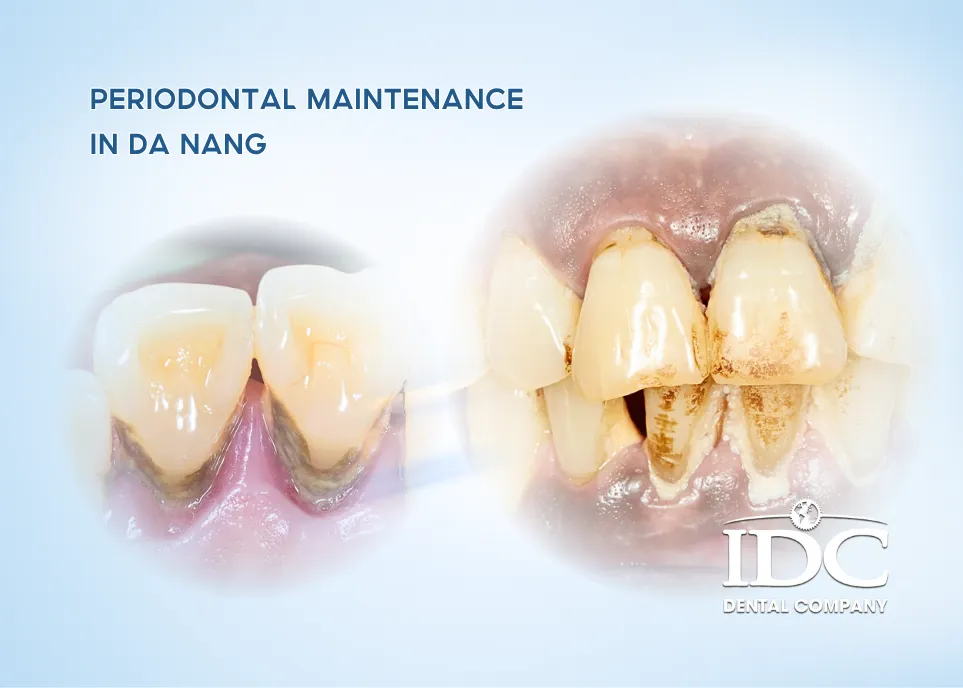
In this guide, you’ll learn what periodontal maintenance involves, who needs it, how often it should be performed, and why ongoing gum care is one of the most important investments you can make in your oral health.
What Is Periodontal Maintenance?
Periodontal maintenance is a specialized preventive treatment designed for patients who have previously been diagnosed with periodontal (gum) disease. Its primary goal is to keep gum disease under control after active treatment has been completed.
Unlike routine dental cleaning, periodontal maintenance focuses on removing harmful bacteria and deposits that can accumulate below the gumline—areas where gum disease often begins to recur.
This ongoing care helps maintain the health of the gums, periodontal ligament, and supporting bone around the teeth.
Understanding Periodontal Maintenance
After successful periodontal therapy, your gums may appear healthy and symptoms such as bleeding or swelling may improve significantly. However, the bacteria that cause periodontitis never disappear completely.
Even with excellent home care, plaque can accumulate in deep periodontal pockets where toothbrushes and floss cannot effectively reach.
Periodontal maintenance appointments are specifically designed to:
- Monitor gum health.
- Detect early signs of disease recurrence.
- Remove plaque and tartar above and below the gumline.
- Prevent further attachment and bone loss.
- Preserve natural teeth for as long as possible.
Rather than treating active disease, periodontal maintenance focuses on preventing it from returning.
How Is Periodontal Maintenance Different From Regular Dental Cleaning?
Many patients wonder why they cannot simply continue with routine six-month cleanings after completing periodontal treatment.
Although both procedures involve cleaning the teeth, they serve different purposes.
Routine Dental Cleaning
Professional dental cleaning is intended for patients with healthy gums or only mild gingivitis.
It focuses on:
- Removing plaque.
- Removing tartar above the gumline.
- Polishing the teeth.
- Maintaining general oral health.
Periodontal Maintenance
Periodontal maintenance is intended for patients with a history of periodontal disease.
In addition to standard cleaning, it includes:
- Measuring periodontal pocket depths.
- Evaluating gum attachment.
- Cleaning below the gumline.
- Monitoring bone support.
- Checking for signs of inflammation.
- Developing personalized maintenance schedules.
Because periodontal disease is chronic, long-term monitoring is essential even after successful treatment.
Why Is Periodontal Maintenance Important?
Many patients are surprised to learn that periodontal disease can return even after successful treatment.
This is because periodontal disease is not a one-time infection—it is a chronic inflammatory condition that requires lifelong management.
Regular maintenance appointments significantly reduce the risk of disease recurrence and help preserve the results achieved during periodontal therapy.
Periodontal Disease Can Recur
After scaling and root planing, most harmful bacteria are removed, allowing the gums to heal.
However, new plaque begins forming on the teeth within hours after brushing.
If bacterial deposits remain undisturbed for too long, they mature and become more aggressive, increasing the likelihood of inflammation returning.
Patients who skip maintenance appointments are at a much higher risk of experiencing recurrent periodontitis.
Remove Harmful Bacteria Before They Cause Damage
One of the primary goals of periodontal maintenance is controlling bacterial populations before they trigger another infection.
Professional cleaning removes plaque and tartar from areas that are difficult or impossible to clean at home.
This reduces bacterial activity and helps maintain healthy periodontal tissues.
Prevent Progressive Bone Loss
Periodontitis does not only affect the gums—it also destroys the bone supporting your teeth.
Unfortunately, bone lost due to periodontal disease rarely grows back naturally.
By controlling bacterial infection through regular maintenance, dentists can significantly slow or stop further bone destruction.
Preserving healthy bone is essential for keeping your natural teeth stable.
Preserve Your Natural Teeth
The ultimate goal of periodontal maintenance is helping patients keep their natural teeth for as long as possible.
When periodontal disease is carefully monitored and controlled, many patients successfully maintain their teeth for decades without requiring extensive restorative treatment.
Regular maintenance is often far less invasive and less expensive than replacing missing teeth with implants or bridges later.
Maintain Healthy Gums
Healthy gums provide a strong foundation for every tooth.
Routine periodontal maintenance helps:
- Reduce inflammation.
- Improve gum attachment.
- Prevent bleeding.
- Minimize pocket formation.
- Support long-term oral health.
Healthy gums also contribute to fresher breath and greater comfort during eating and brushing.
Who Needs Periodontal Maintenance?
Not everyone requires periodontal maintenance.
This treatment is specifically recommended for individuals who have been diagnosed with periodontal disease or have a higher risk of developing recurrent gum infections.
Your dentist will determine whether you need a periodontal maintenance program based on your oral health history and current periodontal condition.
Patients Who Have Been Treated for Periodontitis
Anyone who has completed treatment for moderate or advanced gum disease is usually advised to continue with periodontal maintenance.
Even if symptoms have disappeared, the disease can return without regular monitoring.
Patients After Scaling and Root Planing
Scaling and root planing is one of the most common non-surgical periodontal treatments.
After completing this procedure, patients typically enter a maintenance phase to help preserve the results.
Regular follow-up appointments allow the dentist to monitor healing and remove newly formed bacterial deposits before they cause further damage.
Patients With Periodontal Pockets
Deep periodontal pockets create an environment where bacteria can easily accumulate.
Because these areas are difficult to clean thoroughly at home, professional maintenance is essential for preventing disease recurrence.
Smokers
Smoking is one of the strongest risk factors for periodontal disease.
Compared with non-smokers, smokers generally experience:
- Faster plaque accumulation.
- Reduced blood flow to the gums.
- Slower healing.
- Higher rates of periodontal disease recurrence.
These patients often benefit from more frequent maintenance visits.
Patients With Diabetes
People living with diabetes have an increased susceptibility to periodontal infections.
Poorly controlled blood sugar can also slow healing and increase inflammation.
For diabetic patients, maintaining healthy gums is an important part of overall health management.
Patients With Gum Recession
Gum recession exposes sensitive tooth roots, making them more vulnerable to plaque accumulation and root decay.
Regular periodontal maintenance helps protect exposed root surfaces and monitor gum health over time.
Individuals at High Risk of Gum Disease
Some people naturally have a higher risk of periodontal problems due to factors such as:
- Family history of periodontal disease.
- Weakened immune system.
- Poor oral hygiene habits.
- Dry mouth.
- Long-term stress.
- Certain medications.
For these individuals, personalized periodontal maintenance plays a key role in preventing future complications.
What Happens During a Periodontal Maintenance Appointment?
A periodontal maintenance visit is more comprehensive than a routine dental cleaning. Each appointment is carefully designed to monitor your gum health, remove harmful bacteria, and detect early signs of disease recurrence before serious damage occurs.
Although every patient’s treatment plan is personalized, most periodontal maintenance appointments include the following steps.
Comprehensive Periodontal Examination
Every maintenance visit begins with a detailed examination of your teeth and gums.
Your dentist or periodontist will assess:
- Overall gum health
- Signs of inflammation
- Bleeding during examination
- Tooth mobility
- Gum recession
- Plaque accumulation
- Areas that require additional attention
Comparing these findings with previous visits helps determine whether your periodontal condition remains stable or requires further treatment.
Measuring Periodontal Pocket Depth
One of the most important parts of periodontal maintenance is measuring the depth of the periodontal pockets.
Using a specialized periodontal probe, your dentist measures the space between the gums and each tooth.
These measurements help determine:
- Whether the gums are healing properly
- If periodontal pockets have become deeper
- Whether bacterial infection is returning
- If additional periodontal therapy is needed
Regular pocket measurements allow dentists to identify small changes before they develop into more serious problems.
Evaluating Gum Health
Healthy gums should appear:
- Pink
- Firm
- Free from swelling
- Free from bleeding
During each maintenance appointment, the dentist evaluates:
- Gum color
- Tissue firmness
- Signs of inflammation
- Gum attachment levels
- Areas of recession
Early detection allows minor problems to be treated before permanent damage occurs.
Removing Plaque and Tartar
Even patients with excellent oral hygiene cannot completely prevent plaque buildup.
Professional periodontal maintenance removes:
- Soft plaque
- Hardened tartar (calculus)
- Bacterial biofilm
These deposits are removed from both above and below the gumline using specialized ultrasonic and hand instruments.
Removing bacterial deposits helps reduce inflammation and prevents disease progression.
Cleaning Below the Gumline
Unlike routine dental cleaning, periodontal maintenance focuses heavily on cleaning beneath the gums.
This area cannot be reached effectively with normal brushing or flossing.
The dentist carefully removes bacterial deposits from:
- Periodontal pockets
- Root surfaces
- Areas around previous periodontal defects
This step is essential for preventing bacteria from re-establishing infection.
Tooth Polishing
After plaque and tartar have been removed, the teeth are polished using a professional polishing paste.
Polishing helps:
- Remove surface stains
- Create smoother tooth surfaces
- Slow future plaque accumulation
- Improve the appearance of your smile
Patients often notice their teeth feel significantly cleaner after polishing.
Personalized Oral Hygiene Review
No periodontal maintenance appointment is complete without reviewing home care.
Your dentist may discuss:
- Brushing technique
- Flossing habits
- Water flosser use
- Toothbrush selection
- Interdental brushes
- Mouthwash recommendations
Small improvements in daily oral hygiene often make a significant difference in long-term periodontal stability.
Digital X-rays When Necessary
Not every appointment requires dental X-rays.
However, if your dentist notices signs of disease progression, digital X-rays may be recommended to evaluate:
- Bone levels
- Root condition
- Hidden infection
- Tooth stability
Digital imaging provides valuable information that cannot always be detected during a clinical examination.
Periodontal Maintenance vs. Regular Dental Cleaning
Many patients wonder why they need periodontal maintenance instead of simply scheduling regular cleanings every six months.
Although both procedures help maintain oral health, they are designed for different groups of patients.
Purpose
Routine dental cleaning is intended to prevent gum disease in individuals with healthy gums or mild gingivitis.
Periodontal maintenance is designed to prevent recurrence of gum disease in patients who have already received periodontal treatment.
Treatment Area
Routine cleaning primarily removes plaque and tartar above the gumline.
Periodontal maintenance includes careful cleaning below the gumline and inside periodontal pockets where bacteria tend to accumulate.
Frequency
Routine cleanings are usually recommended every six months.
Patients receiving periodontal maintenance often require appointments every three to four months, depending on their risk factors.
Clinical Monitoring
Routine cleanings generally involve a basic examination.
Periodontal maintenance includes:
- Pocket depth measurements
- Gum attachment assessment
- Bone loss monitoring
- Tooth mobility evaluation
- Long-term periodontal tracking
This ongoing monitoring allows early intervention whenever changes occur.
How Often Should You Receive Periodontal Maintenance?
There is no single schedule that fits every patient.
The appropriate maintenance interval depends on individual risk factors and the severity of previous periodontal disease.
Every Three Months
Many patients with moderate to severe periodontitis benefit from periodontal maintenance every three months.
Research has shown that harmful bacteria can repopulate periodontal pockets within approximately three months after treatment.
Frequent maintenance helps interrupt this bacterial cycle before inflammation returns.
Every Four to Six Months
Patients with excellent oral hygiene and well-controlled periodontal disease may be advised to return every four to six months.
However, this schedule should always be determined by a dentist based on clinical findings rather than personal preference.
Factors That Affect Maintenance Frequency
Several factors influence how often periodontal maintenance is needed.
Severity of Previous Gum Disease
Patients with advanced bone loss generally require more frequent follow-up.
Smoking
Smoking significantly increases the risk of recurrent periodontal disease.
Smokers often benefit from shorter maintenance intervals.
Diabetes
Patients with diabetes, particularly those with poor blood sugar control, may require more frequent periodontal care because diabetes affects the body’s ability to fight infection and heal.
Oral Hygiene Habits
Excellent home care may help extend maintenance intervals.
Poor plaque control often requires more frequent professional cleaning.
Immune Health
Certain medical conditions and medications can weaken the immune system, making patients more susceptible to periodontal infections.
What Happens If You Skip Periodontal Maintenance?
Many patients feel that once their gums stop bleeding, additional periodontal visits are unnecessary.
Unfortunately, periodontal disease often progresses silently.
Without regular maintenance, the condition may return before noticeable symptoms appear.
Gum Disease May Return
The bacteria responsible for periodontal disease are naturally present in the mouth.
Without regular professional removal, these bacteria multiply and gradually trigger inflammation again.
Increased Plaque and Tartar Accumulation
Over time, plaque hardens into tartar.
Tartar creates rough surfaces that allow even more bacteria to attach, accelerating disease progression.
Deepening Periodontal Pockets
As inflammation returns, periodontal pockets may become deeper.
These deeper pockets are increasingly difficult to clean at home, allowing bacteria to spread further beneath the gums.
Progressive Bone Loss
Continued bacterial infection damages the supporting bone around the teeth.
Unlike soft tissue inflammation, lost bone cannot usually regenerate naturally.
Loose Teeth
As bone support decreases, teeth become less stable.
Patients may notice:
- Tooth movement
- Difficulty chewing
- Changes in bite
- Increased sensitivity
Tooth Loss
Without appropriate maintenance, advanced periodontal disease remains one of the leading causes of tooth loss in adults.
Many cases of tooth loss could be prevented through consistent periodontal maintenance and regular professional care.
Home Care Between Periodontal Maintenance Visits
Professional periodontal maintenance plays a vital role in controlling gum disease, but your daily oral hygiene routine is equally important. The success of long-term periodontal treatment depends on the combination of regular professional care and consistent home maintenance.
By following your dentist’s recommendations, you can significantly reduce the risk of gum disease returning and protect your natural teeth for years to come.
Brush Your Teeth Properly
Brushing twice a day is one of the most effective ways to remove plaque before it hardens into tartar.
Dentists generally recommend:
- Brushing for at least two minutes.
- Using a soft-bristled toothbrush.
- Holding the brush at a 45-degree angle toward the gumline.
- Cleaning every surface of each tooth gently.
Electric toothbrushes may also help improve plaque removal, particularly for patients with limited manual dexterity.
Floss Every Day
A toothbrush only cleans about two-thirds of the tooth surface.
Daily flossing removes plaque and food debris from areas between the teeth where gum disease commonly begins.
For patients with larger spaces between teeth, interdental brushes may be even more effective.
Consider Using a Water Flosser
Water flossers can be especially helpful for patients who:
- Have periodontal pockets.
- Wear braces.
- Have bridges or dental implants.
- Find traditional floss difficult to use.
A water flosser helps flush bacteria and food particles from below the gumline, complementing regular brushing and flossing.
Use Antibacterial Mouthwash
Your dentist may recommend an antibacterial mouth rinse to reduce bacterial growth.
Depending on your condition, this may include:
- Chlorhexidine mouthwash (short-term use)
- Essential oil mouthwash
- Alcohol-free antibacterial rinses
Mouthwash should be used as directed and should not replace brushing or flossing.
Eat a Healthy Diet
A balanced diet supports both your immune system and gum health.
Choose foods rich in:
- Vitamin C
- Vitamin D
- Calcium
- Protein
- Fresh fruits and vegetables
Limiting sugary snacks and beverages also helps reduce bacterial growth and plaque formation.
Stop Smoking
Smoking is one of the strongest risk factors for periodontal disease.
It:
- Slows healing.
- Weakens the immune response.
- Increases plaque accumulation.
- Raises the risk of recurrent periodontitis.
Quitting smoking significantly improves the long-term success of periodontal maintenance.
Manage Medical Conditions
Certain systemic conditions, particularly diabetes, are closely linked with gum disease.
Keeping blood sugar levels under control can help:
- Reduce inflammation.
- Improve healing.
- Lower the risk of periodontal disease progression.
Patients with diabetes should work closely with both their physician and dentist to maintain optimal health.
Benefits of Long-Term Periodontal Maintenance
Patients who consistently attend periodontal maintenance appointments often experience significantly better long-term outcomes than those who discontinue care.
Preserve Natural Teeth
The primary goal of periodontal maintenance is to help patients retain their natural teeth for as long as possible.
Regular monitoring allows dentists to identify problems early, before irreversible damage occurs.
Prevent Disease Recurrence
Periodontal disease is a chronic condition.
Although it can be successfully controlled, it cannot simply be “cured” forever.
Routine maintenance reduces bacterial buildup and minimizes the chance of reinfection.
Fresher Breath
One of the most common causes of persistent bad breath is the accumulation of bacteria beneath the gumline.
Professional maintenance helps eliminate these bacteria, improving oral freshness.
Healthier Gums
Patients who follow a periodontal maintenance program typically experience:
- Less bleeding
- Reduced inflammation
- Healthier gum attachment
- Greater comfort during brushing and eating
Healthy gums also contribute to a more attractive smile.
Lower Long-Term Dental Costs
Preventive care is almost always more affordable than treating advanced periodontal disease.
Regular maintenance may help patients avoid costly procedures such as:
- Periodontal surgery
- Bone grafting
- Tooth extraction
- Dental implants
- Full-mouth rehabilitation
Investing in maintenance today can reduce treatment expenses in the future.
Improved Quality of Life
Maintaining healthy gums allows patients to:
- Eat comfortably.
- Smile with confidence.
- Speak clearly.
- Keep their natural teeth longer.
Good periodontal health also contributes positively to overall well-being.
Frequently Asked Questions
What is periodontal maintenance?
Periodontal maintenance is an ongoing professional cleaning and monitoring program designed for patients who have previously been treated for periodontal disease.
Is periodontal maintenance the same as regular teeth cleaning?
No.
Routine dental cleaning is intended for patients with healthy gums, while periodontal maintenance involves more detailed examination and cleaning below the gumline for patients with a history of gum disease.
How often should I receive periodontal maintenance?
Most patients benefit from maintenance every three to four months, although some individuals with stable periodontal health may be scheduled every four to six months.
Your dentist will determine the most appropriate interval.
Does periodontal maintenance hurt?
Most patients experience little or no discomfort.
If your gums are particularly sensitive, your dentist can take additional measures to improve comfort during treatment.
Can gum disease return after treatment?
Yes.
Periodontal disease is a chronic condition, and without regular maintenance, bacteria can accumulate again and trigger another infection.
Is periodontal maintenance necessary if my gums feel healthy?
Yes.
Gum disease often progresses without obvious symptoms.
Regular maintenance allows dentists to detect and treat problems before they become serious.
Can international patients receive periodontal maintenance during a short visit?
Absolutely.
Many international patients schedule periodontal maintenance appointments while visiting Da Nang for business, vacation, or dental tourism.
How long does a periodontal maintenance appointment take?
Most appointments last 45 to 60 minutes, although treatment time varies depending on the severity of previous periodontal disease and the amount of plaque or tartar present.
 WhatsApp