
Yellow teeth are a common concern for many people who want to maintain a bright, confident smile. Although slightly yellow teeth can be a natural part of tooth color, noticeable discoloration may also result from food stains, poor oral hygiene, aging, smoking, or underlying dental problems. Understanding the cause of yellow teeth is the first step toward choosing the right treatment.
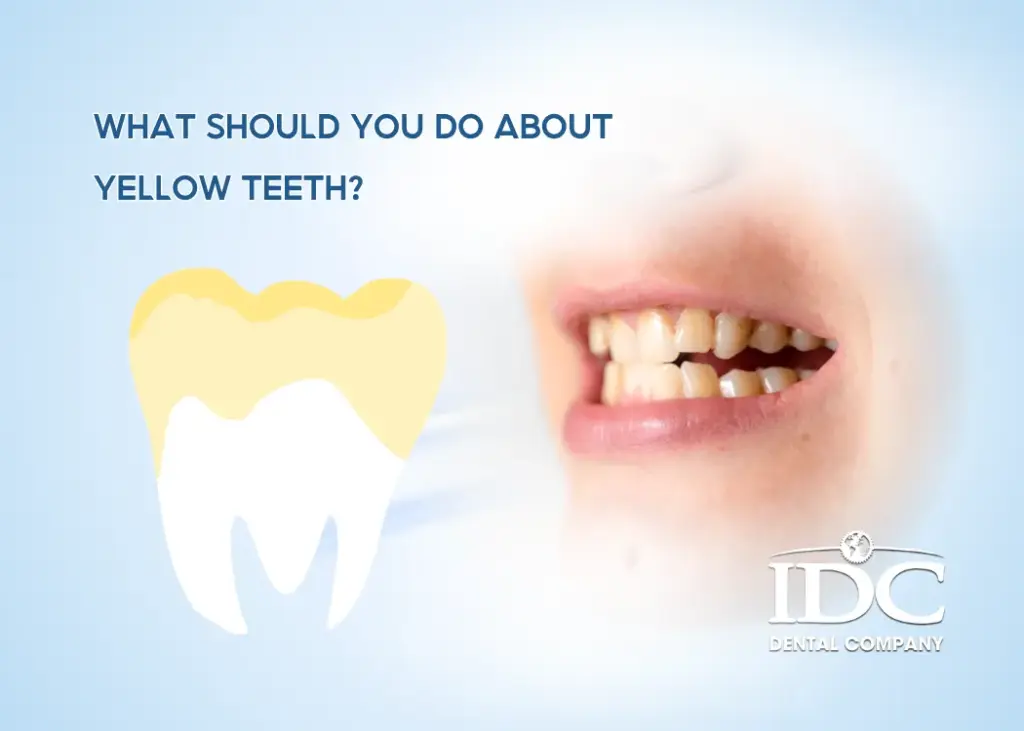
If you are wondering, “What should you do about yellow teeth?”, the answer depends on whether the discoloration is on the surface of your teeth or comes from deeper within the tooth structure. Professional dental cleaning, improved oral hygiene, and teeth whitening treatments may help improve your smile. However, some types of discoloration require a dental examination before treatment.
This article explains the common causes of yellow teeth, safe ways to improve their appearance, and when you should visit a dentist for professional advice.
What Causes Yellow Teeth?
Yellow teeth can develop for several reasons. Some causes are harmless and related to natural tooth color, while others may indicate a need for dental care.
1. Natural Tooth Color and Aging
One of the most common reasons teeth appear yellow is their natural structure. Teeth are made up of several layers, including enamel and dentin. Enamel is the hard, outer layer of the tooth, while dentin lies underneath and naturally has a yellowish color.
As people age, enamel may gradually become thinner or more transparent due to normal wear. This allows more of the yellowish dentin to show through, making teeth appear darker or more yellow.
This type of discoloration does not necessarily mean your teeth are unhealthy. Some people naturally have warmer or more yellow tooth shades than others. However, if the color changes suddenly or is accompanied by pain, sensitivity, or damage, a dental examination is recommended.
2. Coffee, Tea, and Other Staining Foods
Certain foods and drinks contain pigments that can attach to the surface of teeth. Regular consumption may lead to external or surface discoloration.
Common staining foods and beverages include:
- Coffee and black tea
- Red wine
- Dark-colored soft drinks
- Soy sauce and other deeply pigmented sauces
- Berries and certain colored foods
- Curry and other strongly colored spices
These substances may contribute to yellow or brown stains over time, especially when oral hygiene is inadequate.
You do not necessarily need to avoid every food or drink that can stain your teeth. Instead, consider reducing frequent exposure, drinking water afterward, and maintaining a consistent oral hygiene routine.
3. Smoking and Tobacco Use
Smoking is another major cause of tooth discoloration. Tobacco contains substances that can stain tooth surfaces and contribute to yellow, brown, or dark patches.
In addition to affecting the appearance of your smile, smoking increases the risk of gum disease, bad breath, tooth loss, and other oral health problems. Tobacco use can also interfere with healing after certain dental procedures.
Quitting smoking is one of the most beneficial steps you can take for your oral health. If you already have tobacco stains, professional dental cleaning may help remove some surface discoloration. More persistent stains may require additional treatment.
4. Poor Oral Hygiene and Plaque Buildup
Plaque is a sticky film of bacteria that forms on teeth. If it is not removed regularly, it can contribute to tooth discoloration, bad breath, cavities, and gum disease.
Over time, plaque can harden into tartar, also called dental calculus. Tartar may appear yellowish or brownish and is difficult to remove with a regular toothbrush.
Poor oral hygiene can make teeth look dull, yellow, or dirty, even when the natural tooth color is relatively light.
To help prevent plaque buildup:
- Brush your teeth twice a day with fluoride toothpaste.
- Clean between your teeth daily.
- Use a soft-bristled toothbrush.
- Schedule professional dental cleanings when recommended.
- Pay attention to the gumline, where plaque often accumulates.
If yellow discoloration is mainly caused by plaque or tartar, professional cleaning may significantly improve the appearance of your teeth.
5. Enamel Erosion
Enamel erosion occurs when the protective outer layer of a tooth is gradually worn away by acids. These acids may come from acidic foods and beverages, stomach acid, or other sources.
When enamel becomes thinner, the naturally yellow dentin underneath may become more visible. This can make teeth appear yellow even if there are few external stains.
Signs of enamel erosion may include:
- Increased tooth sensitivity
- Smooth, shiny, or translucent tooth edges
- Changes in tooth shape
- Yellowing near the edges of teeth
- Greater sensitivity to cold, hot, or acidic foods
Brushing too aggressively or using highly abrasive whitening products may also contribute to enamel wear. If you suspect enamel erosion, consult a dentist before trying additional whitening treatments.
6. Intrinsic Tooth Discoloration
Not all yellow teeth are caused by stains on the outside. Intrinsic discoloration develops within the tooth structure and may be more difficult to treat with ordinary whitening toothpaste.
Possible causes include:
- Certain medications taken during tooth development
- Dental fluorosis
- Trauma to a tooth
- Changes in the tooth’s internal structure
- Aging-related changes
- Previous dental treatment
Intrinsic stains may appear yellow, gray, brown, or darker than the surrounding teeth. In some cases, professional whitening may help, but other cosmetic or restorative treatments may be more appropriate.
A dentist can assess the type of discoloration and recommend a treatment plan based on the condition of your teeth.
How Can You Tell What Type of Yellow Teeth You Have?
Before deciding how to whiten yellow teeth, it is important to understand what is causing the discoloration. Not every yellow tooth responds to the same treatment.
Surface Stains
Surface stains affect the outer layer of the tooth. They are commonly associated with coffee, tea, tobacco, plaque, and certain foods.
Professional dental cleaning, polishing, and appropriate whitening products may help improve this type of discoloration.
Internal Discoloration
Internal discoloration develops within the tooth. It may be associated with aging, trauma, medication, or changes in dentin and enamel.
This type of discoloration may require professional whitening, cosmetic dentistry, or restorative treatment.
Discoloration Affecting One Tooth
If one tooth suddenly becomes darker, gray, or yellow while the surrounding teeth remain unchanged, it is important to have it examined. A change in color may be related to trauma, decay, or a problem involving the tooth’s pulp.
A dentist can determine whether the tooth needs treatment before any cosmetic whitening procedure is considered.
What Should You Do About Yellow Teeth?
There are several ways to improve the appearance of yellow teeth. The most appropriate option depends on the cause of discoloration, your oral health, and your treatment goals.
1. Improve Your Daily Oral Hygiene
A consistent oral hygiene routine is one of the simplest ways to prevent and reduce some types of yellow stains.
Brush your teeth twice daily for approximately two minutes using a soft-bristled toothbrush and fluoride toothpaste. Brush gently along the gumline and the surfaces of all teeth.
Cleaning between your teeth is equally important. Dental floss or interdental brushes can help remove plaque from areas that a toothbrush cannot reach.
Good oral hygiene may not change your natural tooth color, but it can help remove plaque, reduce surface staining, and protect your teeth from cavities and gum disease.
2. Schedule a Professional Dental Cleaning
If your yellow teeth are caused by tartar, plaque, or external stains, professional dental cleaning may be an effective first step.
During a dental cleaning, a dental professional can remove hardened tartar and accumulated plaque. Polishing may also help reduce certain surface stains.
Professional cleaning is different from teeth whitening:
- Dental cleaning focuses on removing plaque, tartar, and surface deposits.
- Teeth whitening uses bleaching agents to lighten the color of natural teeth.
Some people notice a brighter smile after cleaning alone, especially when the discoloration is mainly caused by tartar or surface stains. However, cleaning cannot remove every type of internal discoloration.
3. Consider Professional Teeth Whitening
Professional teeth whitening is a popular option for people who want a brighter smile. It typically uses peroxide-based whitening agents, such as hydrogen peroxide or carbamide peroxide, to lighten the color of natural teeth.
There are two common approaches.
In-Office Teeth Whitening
In-office whitening is performed under the supervision of a dental professional. The dentist evaluates your oral health, discusses your goals, and determines whether whitening is appropriate.
Depending on the treatment, protective measures are used to minimize contact between whitening products and the gums or other sensitive tissues.
Advantages may include:
- Professional assessment before treatment
- A controlled whitening procedure
- Potentially noticeable results in a shorter period
- Guidance for managing sensitivity
- A treatment plan tailored to your needs
The results vary depending on the original tooth shade, the cause of discoloration, and the whitening system used.
Take-Home Whitening Trays
A dentist may also recommend a take-home whitening system. Custom trays or other dentist-directed products allow patients to whiten their teeth at home according to professional instructions.
Take-home whitening may be suitable for people who prefer a gradual approach. The dentist can explain how to use the product safely, how long treatment may take, and what to do if sensitivity occurs.
Not everyone is a suitable candidate for whitening. Untreated cavities, gum problems, significant enamel damage, or certain types of discoloration may require attention first.
4. Use Whitening Toothpaste Carefully
Whitening toothpaste can help remove some surface stains caused by coffee, tea, and other pigmented foods. Many whitening toothpastes work primarily through gentle polishing or stain removal rather than changing the natural color of the dentin.
When choosing a whitening toothpaste, look for a product with fluoride and follow the manufacturer’s instructions.
Avoid brushing harder or using whitening toothpaste excessively. Aggressive brushing can irritate the gums and contribute to enamel wear, particularly when combined with abrasive products.
If your teeth are sensitive or your enamel is worn, ask your dentist which toothpaste is appropriate.
5. Explore Cosmetic and Restorative Dental Treatments
When yellow teeth do not respond adequately to cleaning or whitening, cosmetic or restorative dentistry may be an option.
Depending on the cause, a dentist may discuss:
- Dental veneers: Thin coverings placed on the front surfaces of selected teeth to improve appearance.
- Dental bonding: Tooth-colored material used to improve the shape or color of certain teeth.
- Crowns: Restorations that cover a damaged or weakened tooth when clinically necessary.
- Internal whitening: A specialized approach that may be considered for certain discolored teeth after root canal treatment.
- Other restorative treatments: Options based on cavities, fractures, enamel defects, or other dental conditions.
These treatments are not necessary for everyone with yellow teeth. A dentist should first determine whether a less invasive option can achieve the desired result.
Home Remedies for Yellow Teeth: What Should You Avoid?
Many people search for natural or DIY methods to whiten yellow teeth. Although some home habits can support oral health, not every whitening method is safe.
Lemon Juice and Vinegar
Lemon juice and vinegar are acidic. Applying them directly to teeth or using them repeatedly for whitening may contribute to enamel erosion.
Enamel does not grow back once it is permanently lost. For this reason, acidic home remedies are not recommended as a whitening strategy.
Excessive Baking Soda
Baking soda is an ingredient in some oral care products, and certain formulations may help remove surface stains. However, rubbing teeth with baking soda too frequently or using abrasive mixtures aggressively can irritate the gums or contribute to tooth wear.
Use professionally formulated dental products according to their instructions rather than relying on harsh DIY treatments.
Activated Charcoal
Activated charcoal products are often marketed as natural teeth whiteners. However, evidence for their whitening effectiveness and long-term safety is limited. Some products may be abrasive, and they do not replace fluoride toothpaste or professional dental care.
Unregulated Whitening Products
Some online whitening products may have unclear ingredients, instructions, or safety information. Products that are too strong or used incorrectly may cause gum irritation or tooth sensitivity.
If you are unsure whether a whitening product is safe, consult a dentist before using it.
When Should You Visit a Dentist for Yellow Teeth?
You do not need to wait until yellow teeth become painful before visiting a dentist. A dental examination can help identify the cause of discoloration and determine whether treatment is necessary.
1. When You Want to Improve Your Smile Safely
If you are unhappy with the color of your teeth, a dentist can evaluate your teeth and gums before recommending whitening.
Professional advice is especially useful if you have:
- Sensitive teeth
- Existing dental restorations
- Gum disease
- Enamel wear
- Previous root canal treatment
- Uneven or severe discoloration
A dental consultation can help you understand what results are realistic and which treatments may be suitable.
2. When One Tooth Changes Color Suddenly
Sudden discoloration affecting one tooth should not automatically be treated as a cosmetic issue.
A tooth that becomes yellow, gray, brown, or dark after an injury may have internal damage. In some cases, a tooth with pulp damage can become darker over time.
A dentist may need to perform an examination and, when appropriate, additional tests or dental X-rays to identify the cause.
3. When Yellow Teeth Are Accompanied by Pain
Yellow discoloration accompanied by pain may indicate a dental problem that needs attention.
Contact a dentist if you experience:
- Persistent toothache
- Pain when biting or chewing
- Sensitivity that lasts after hot or cold exposure
- Swollen or bleeding gums
- Visible cavities
- A broken or damaged tooth
- Persistent bad breath
These symptoms may be associated with cavities, gum disease, cracks, infection, or other conditions. Whitening should not be used as a substitute for treating the underlying problem.
4. When Home Whitening Does Not Work
If you have tried whitening toothpaste or over-the-counter whitening products without improvement, the discoloration may be caused by something other than surface stains.
A dentist can help determine whether professional whitening, cosmetic treatment, or another approach is appropriate.
5. When You Have Significant Tartar or Gum Problems
Heavy tartar buildup cannot be removed effectively with a toothbrush alone. If your teeth appear yellow near the gumline and you also experience bleeding, swelling, or bad breath, professional dental care is recommended.
Treating gum and tartar problems should be a priority before cosmetic whitening.
If you have facial swelling, fever, difficulty swallowing, or difficulty breathing associated with a dental problem, seek urgent medical or dental care.
What Happens During a Dental Visit for Yellow Teeth?
Understanding what to expect can make a dental appointment more comfortable.
Step 1: Dental Examination
The dentist examines your teeth, gums, and overall oral health. They may ask about your diet, smoking habits, oral hygiene, medications, previous dental treatment, and when the discoloration first appeared.
The examination helps determine whether the color change is caused by surface stains, natural tooth color, enamel changes, decay, or another condition.
Step 2: Professional Cleaning
If plaque or tartar contributes to the yellow appearance, the dental team may recommend professional cleaning. This helps improve oral hygiene and may reduce surface discoloration.
Step 3: Treatment Recommendations
After evaluating your teeth, the dentist may recommend:
- Improved home care
- Professional cleaning
- In-office whitening
- Dentist-supervised take-home whitening
- Treatment for cavities or gum disease
- Cosmetic or restorative dentistry
The final recommendation should be based on your dental health, the type of discoloration, and your desired outcome.
How Can You Prevent Yellow Teeth?
Although it may not be possible to keep teeth completely white throughout life, healthy habits can help reduce staining and maintain a brighter smile.
Maintain Good Oral Hygiene
Brush twice daily with fluoride toothpaste and clean between your teeth every day. Replace your toothbrush or toothbrush head regularly, or follow the replacement guidance for your specific product.
Limit Frequent Staining Drinks
If you drink coffee, tea, or other beverages that stain teeth, consider reducing how often you consume them. Drinking water afterward can help clear away some residue.
Avoid Smoking and Tobacco
Quitting tobacco can help reduce further staining and improve overall oral health.
Protect Your Enamel
Limit frequent exposure to acidic foods and drinks. Avoid brushing immediately after acidic consumption; waiting around 30 minutes may help reduce the risk of brushing softened enamel.
Visit Your Dentist Regularly
Routine dental examinations allow problems to be detected early. Your dentist can recommend a cleaning schedule based on your oral health and risk factors.
Frequently Asked Questions About Yellow Teeth
1. Is it normal for teeth to be slightly yellow?
Yes. Natural teeth are not always bright white. The yellowish color of dentin may show through enamel, particularly as people age. Slight yellowing does not automatically indicate poor oral health.
2. Can yellow teeth become white again?
Many types of yellow teeth can be made lighter, especially when discoloration is caused by surface stains or certain types of internal staining. However, results depend on the cause, tooth condition, and treatment method.
3. How long does professional teeth whitening last?
The duration of whitening results varies. Diet, tobacco use, oral hygiene, aging, and the original cause of discoloration can affect how long teeth remain lighter. Following your dentist’s maintenance advice may help preserve the results.
4. Does brushing harder make yellow teeth whiter?
No. Brushing harder does not necessarily make teeth whiter and may damage the gums or contribute to enamel wear. Gentle, thorough brushing is a safer approach.
5. Can yellow teeth be caused by cavities?
Some cavities or damaged teeth may appear yellow, brown, gray, or dark. If discoloration is localized or accompanied by pain, sensitivity, or visible damage, a dentist should examine the tooth.
6. Is teeth whitening safe for sensitive teeth?
Teeth whitening can cause temporary sensitivity in some people. If you already have sensitive teeth, your dentist can assess the cause and recommend an appropriate treatment or precautions.
7. Can a dental cleaning remove all yellow stains?
No. Professional cleaning can remove plaque, tartar, and some external stains, but it cannot remove every type of internal discoloration or change the natural color of dentin.
8. How often should you visit a dentist for yellow teeth?
The appropriate schedule depends on your oral health. Routine examinations are important, and you should arrange an earlier appointment if you notice sudden discoloration, pain, swelling, or other unusual symptoms.



 WhatsApp