
Why do dental implants fail? Although dental implants are designed to provide a durable and reliable solution for missing teeth, they can sometimes experience complications that affect their stability and long-term success. Factors such as infection, inadequate bone support, poor osseointegration, smoking, excessive pressure from the bite, and improper oral hygiene may contribute to implant failure.
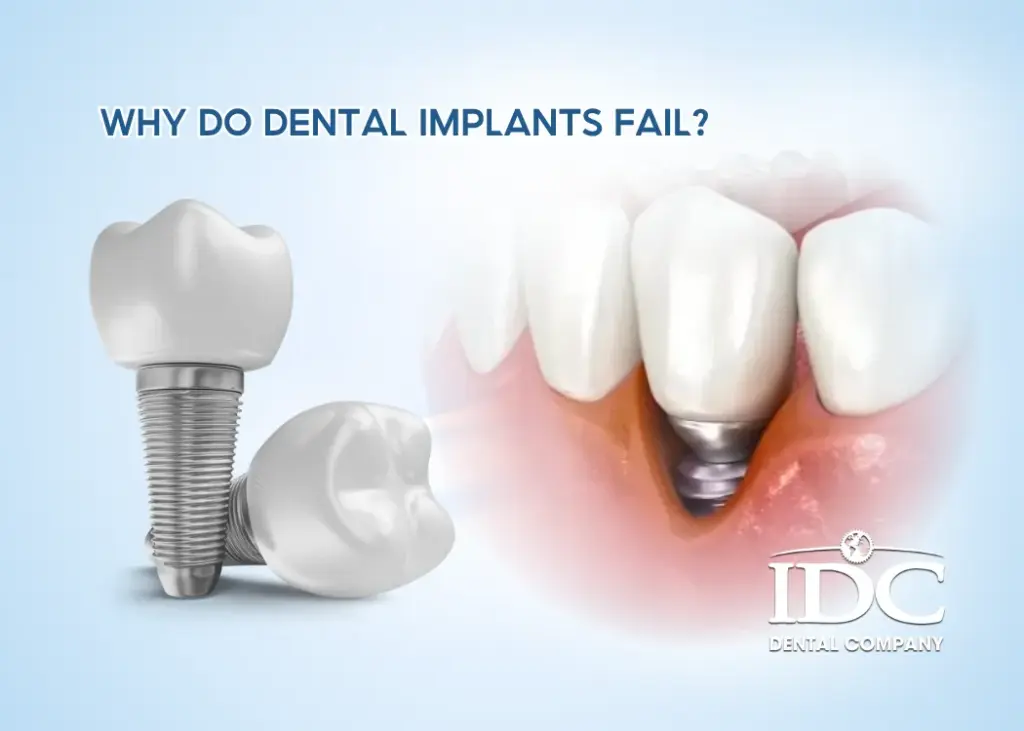
Recognizing the signs of dental implant failure early is essential for protecting the surrounding gums and jawbone. Symptoms such as persistent pain, swelling, bleeding, pus, implant mobility, or difficulty chewing should not be ignored.
If you notice any unusual changes around your dental implant, a professional dental evaluation can help identify the cause and determine the most appropriate treatment.
What Does Dental Implant Failure Mean?
A dental implant consists of several components that work together to replace a missing tooth. The implant itself is a small titanium or compatible implant post placed into the jawbone. After placement, the surrounding bone should gradually integrate with the implant through a biological process known as osseointegration.
Once the implant has successfully integrated, an abutment connects it to a dental crown or another type of restoration.
What Is a Failed Dental Implant?
A failed dental implant is an implant that cannot properly perform its intended function or maintain adequate stability and supporting tissue.
Implant failure can be classified into two general categories:
- Early implant failure: occurs before successful osseointegration.
- Late implant failure: occurs after the implant has already integrated with the bone.
The cause of failure matters because treatment depends on whether the problem involves infection, bone loss, insufficient integration, excessive forces, or a mechanical complication.
Why Do Dental Implants Fail?
There is no single reason why a dental implant may fail. Several biological, mechanical, and patient-related factors can contribute to implant complications.
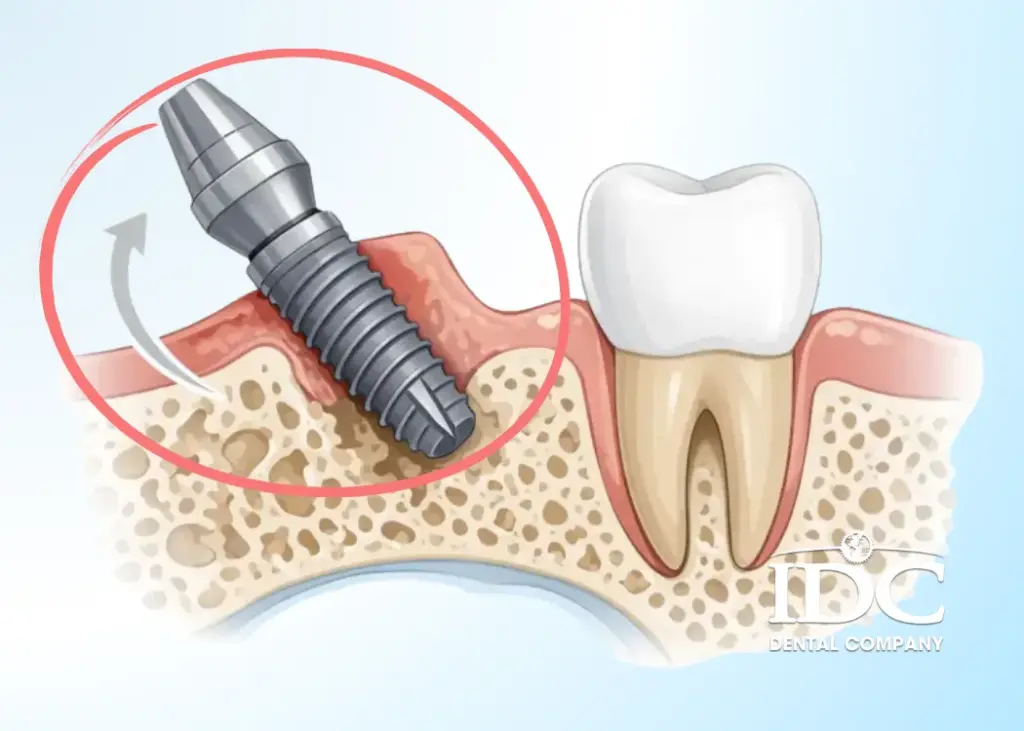
1. Poor Osseointegration
Successful osseointegration is essential for implant stability. During healing, the jawbone needs to integrate with the implant surface.
If this process does not occur properly, the implant may remain unstable or become loose.
Factors that can interfere with osseointegration include inadequate bone quality, infection, excessive movement during healing, smoking, and certain health or healing factors.
An implant that becomes mobile during the healing period should be evaluated by a dentist rather than simply monitored at home.
2. Infection Around the Implant
One of the important causes of implant complications is infection.
Peri-implantitis is an inflammatory condition affecting the tissues surrounding a dental implant. It can be associated with bacterial accumulation, gum inflammation, and progressive bone loss.
If peri-implantitis is not managed appropriately, the supporting bone may gradually deteriorate. In advanced cases, the implant may lose sufficient support and become unstable.
Maintaining good oral hygiene and attending regular dental examinations can help identify inflammation before it progresses.
3. Insufficient Bone Density or Volume
Dental implants require adequate bone support. However, when a tooth has been missing for a long time, the jawbone can gradually shrink.
Patients who have experienced significant bone loss may not initially have enough bone volume for predictable implant placement.
Depending on the clinical situation, a dentist or oral surgeon may recommend bone grafting or guided bone regeneration before or during implant treatment.
For selected implants in the upper back jaw, a sinus lift may also be considered when the available bone height is insufficient.
4. Poor Oral Hygiene
Dental implants cannot develop cavities in the same way as natural teeth, but the tissues around them can still become inflamed or infected.
Plaque and bacteria can accumulate around the implant, especially when cleaning is difficult. Over time, inflammation can affect the soft tissue and potentially contribute to bone loss.
Daily brushing, cleaning between teeth, and using implant-specific cleaning tools when recommended are important parts of implant maintenance.
5. Smoking and Tobacco Use
Smoking can negatively affect the healing environment around a dental implant.
Tobacco use can affect blood flow and tissue healing and may increase the risk of complications. It can also make maintaining healthy gums more difficult.
For patients considering dental implants, discussing smoking and tobacco use openly with the dental team is important. Your dentist can provide individualized recommendations before and after implant surgery.
6. Excessive Bite Forces and Teeth Grinding
Dental implants are designed to withstand normal chewing forces, but excessive pressure can contribute to complications.
Patients with bruxism, or teeth grinding and clenching, may place unusually high forces on their teeth and implant restorations.
Over time, excessive bite forces may contribute to:
- Crown damage
- Abutment or screw complications
- Implant overload
- Bone-related complications
- Discomfort when biting
If bruxism is suspected, your dentist may evaluate your bite and recommend appropriate protective measures, such as a night guard.
7. Improper Implant Placement
Successful implant treatment depends not only on the implant itself but also on careful treatment planning.
An implant needs to be positioned appropriately in relation to the available bone, neighboring teeth, nerves, sinuses, and the final restoration.
Advanced diagnostic tools such as CBCT 3D imaging can help clinicians evaluate the jawbone and surrounding anatomical structures before treatment.
Careful planning can reduce potential surgical and restorative complications.
8. Medical and Healing Factors
Some medical conditions, medications, and individual healing characteristics can influence dental treatment outcomes.
This does not necessarily mean that patients with medical conditions cannot receive dental implants. Instead, the dental team needs to understand the patient’s overall medical and dental history before treatment.
Providing accurate information about medications, previous surgeries, tobacco use, and relevant health conditions allows the dentist to develop a more appropriate treatment plan.
9. Mechanical Problems
Not every implant complication means that the implant itself has failed.
Sometimes the problem involves the restoration or components connected to the implant.
Mechanical complications can include:
- Loose abutment
- Loose implant screw
- Broken screw
- Cracked crown
- Damaged restoration
- Changes in bite
In some situations, the implant remains healthy and stable while only the prosthetic component requires repair or replacement.
This is why professional examination is important before assuming that an implant has completely failed.
Signs and Symptoms of a Failed Dental Implant
Recognizing potential warning signs can help patients seek treatment sooner.
1. The Implant Feels Loose or Moves
A dental implant should not normally move once it has successfully integrated with the jawbone.
If an implant feels loose, wobbles, or moves when you touch it or chew, contact your dentist promptly.
Mobility may indicate a problem with osseointegration, bone support, or another implant component.
2. Persistent Pain or Discomfort
Some soreness and discomfort are expected after implant surgery.
However, pain that persists beyond the expected healing period, becomes worse, or occurs during chewing should be evaluated.
Persistent discomfort may be associated with inflammation, infection, excessive bite forces, or other complications.
3. Swollen, Red, or Bleeding Gums
Healthy tissue around an implant should not consistently appear swollen, red, or bleed during routine cleaning.
Persistent inflammation may be an early warning sign of a problem around the implant.
If you notice recurring bleeding or swelling, schedule an examination rather than ignoring the symptoms.
4. Pus or Discharge Around the Implant
Pus or unusual discharge around an implant can indicate infection.
Because infection can potentially affect the surrounding bone, patients should seek professional evaluation promptly when this symptom occurs.
5. Bone Loss Around the Implant
Bone loss can reduce the support available to a dental implant.
A dentist may use dental X-rays or CBCT imaging to evaluate changes in the surrounding bone and determine whether additional treatment is necessary.
6. Difficulty Chewing or Changes in Your Bite
If your implant crown suddenly feels too high, uncomfortable, or different from the surrounding teeth, your bite may need to be evaluated.
Changes in the way your teeth come together can increase pressure on an implant restoration.
7. Gum Recession or Visible Implant Threads
Gum recession around an implant can expose areas that were previously covered.
In some cases, visible implant threads may be associated with gum or bone loss. This should be assessed by a dental professional to determine the underlying cause.
Early vs. Late Dental Implant Failure
Understanding when implant failure occurs can help explain why the problem developed.
Early Implant Failure
Early failure occurs before the implant has successfully integrated with the bone.
Potential causes include:
- Infection
- Poor bone quality
- Insufficient primary stability
- Excessive movement during healing
- Smoking
- Healing complications
Late Implant Failure
Late failure occurs after the implant has already integrated.
It may be associated with:
- Peri-implantitis
- Progressive bone loss
- Excessive bite forces
- Bruxism
- Mechanical complications
- Poor long-term maintenance
Because early and late failures can have different causes, diagnosis should come before treatment.
How Is Dental Implant Failure Diagnosed?
A dentist will typically begin with a clinical examination.
The evaluation may include checking:
- Implant stability
- Gum condition
- Bleeding or inflammation
- Bite and occlusion
- Crown and abutment condition
- Signs of infection
Dental X-Rays
X-rays can help evaluate the bone around the implant and identify potential changes or abnormalities.
CBCT 3D Imaging
When more detailed information is necessary, CBCT 3D imaging can provide a three-dimensional view of the jawbone and surrounding anatomical structures.
CBCT may help evaluate bone volume, implant position, bone defects, and other factors that influence treatment planning.
Medical and Dental History
Your dentist may also review your oral hygiene, smoking history, medications, previous dental procedures, and other relevant factors.
A complete diagnosis helps determine whether the implant can potentially be treated or whether removal and replacement should be considered.
How to Treat a Failed Dental Implant
Treatment depends on the cause and severity of the problem.
Treating Infection and Peri-Implantitis
When inflammation or infection is present, treatment may focus on controlling bacterial accumulation and reducing inflammation.
Depending on the severity, treatment can involve professional cleaning, non-surgical therapy, or surgical management.
Advanced cases may require more extensive treatment to address damaged supporting tissues.
Adjusting the Bite
If excessive bite forces are contributing to the problem, your dentist may evaluate and adjust the occlusion.
For patients with bruxism, a protective night guard may be recommended when clinically appropriate.
Bone Regeneration or Bone Grafting
If significant bone loss has occurred, additional bone support may be necessary.
Bone grafting or guided bone regeneration can sometimes restore sufficient bone volume for future implant treatment.
The appropriate approach depends on the amount and location of bone loss.
Removing a Failed Implant
If an implant is mobile, has failed to integrate, or cannot be predictably maintained, removal may be necessary.
After removing the implant, the dental team can assess the surrounding bone and soft tissue and determine the next treatment step.
Replacing the Dental Implant
A failed implant does not necessarily mean that you can never receive another implant.
In many cases, the underlying cause needs to be addressed first.
The treatment process may involve:
- Removing the failed implant when necessary.
- Treating infection or inflammation.
- Allowing the tissues to heal.
- Performing bone grafting if required.
- Reassessing bone and gum health.
- Planning a new implant.
- Placing the replacement implant after adequate healing.
The timing of replacement varies from patient to patient.
Alternative Tooth Replacement Options
If implant replacement is not appropriate, other tooth replacement options may be considered.
Depending on the patient’s needs, these can include a dental bridge or removable partial denture.
A dentist can compare the benefits and limitations of each option based on oral health, bone condition, function, and treatment goals.
Can a Failed Dental Implant Be Saved?
Not every implant complication requires immediate removal.
Some problems, particularly those involving inflammation or the restoration, may be manageable when diagnosed early.
However, an implant that has completely lost its integration with the surrounding bone and is mobile generally cannot simply be tightened back into place.
The key is to determine why the implant is failing.
A professional examination can help distinguish between a treatable complication and true implant failure.
How to Prevent Dental Implant Failure
Although no dental treatment can guarantee that complications will never occur, good maintenance can help support long-term implant health.
Maintain Good Oral Hygiene
Brush your teeth twice a day and clean between your teeth every day. Your dentist may recommend specialized tools for cleaning around implants.
Attend Regular Dental Checkups
Regular examinations allow your dentist to monitor the implant, gums, bite, and supporting bone.
Avoid Smoking
Reducing or avoiding tobacco use can support healthier healing and oral tissues.
Manage Teeth Grinding
If you grind or clench your teeth, discuss it with your dentist. A night guard may help protect your implant restoration when appropriate.
Follow Post-Operative Instructions
After implant surgery, follow your dental team’s instructions regarding oral hygiene, diet, medication, physical activity, and follow-up appointments.
Choose Comprehensive Treatment Planning
Before implant placement, a comprehensive assessment of your teeth, gums, jawbone, bite, and treatment goals is essential.
Digital scanning and CBCT imaging may be used when clinically indicated to support accurate treatment planning.
How Long Do Dental Implants Last?
Dental implants are intended to provide long-term tooth replacement, but their longevity depends on multiple factors.
Oral hygiene, gum health, smoking, bite forces, bruxism, regular maintenance, and the quality of treatment planning can all influence long-term outcomes.
It is also important to distinguish between the implant itself and the crown attached to it. Even when the implant remains stable and healthy, the crown may eventually require repair or replacement because of normal wear or damage.
Regular professional maintenance can help detect problems early and protect your investment.
When Should You See a Dentist?
You should contact your dentist if you notice any unusual changes around your dental implant, particularly:
- Implant mobility
- Persistent or worsening pain
- Swelling or redness
- Repeated bleeding
- Pus or discharge
- Difficulty chewing
- Changes in your bite
- Gum recession
- Visible implant threads
- Damage to the crown or abutment
Do not wait for symptoms to become severe. Early evaluation may help identify the problem before additional bone or tissue damage occurs.
Frequently Asked Questions About Dental Implant Failure
Can a dental implant fail years later?
Yes. Although implants are designed for long-term use, complications such as peri-implantitis, bone loss, excessive bite forces, and mechanical problems can occur years after placement.
What are the first signs of dental implant failure?
Common warning signs include implant mobility, persistent pain, swelling, bleeding, pus, gum changes, and difficulty chewing.
Can a loose dental implant be fixed?
It depends on the cause. A loose crown or abutment may sometimes be repaired, while an implant that has lost osseointegration may require removal.
Can an infected dental implant be saved?
Some infections and peri-implant conditions can be treated without removing the implant, particularly when detected early. Advanced cases may require surgical treatment or implant removal.
Can a failed dental implant be replaced?
In many cases, a failed implant can eventually be replaced after the underlying problem has been treated and the bone and soft tissues have adequately healed.
Does smoking increase the risk of implant failure?
Smoking can negatively affect healing and the health of tissues around implants. Patients should discuss tobacco use with their dental provider before implant treatment.
Can bone loss cause a dental implant to fail?
Yes. Significant bone loss can reduce the support around an implant and may contribute to mobility or failure.
How long should I wait before replacing a failed implant?
There is no single waiting period for every patient. The timing depends on infection, bone loss, tissue healing, and whether bone grafting or other treatment is required.
Is dental implant failure painful?
Not always. Some failed implants may cause pain or swelling, while others can become loose or develop bone loss without significant discomfort. Regular dental checkups are therefore important.


 WhatsApp