
Tooth Decay and cavity treatment play a vital role in protecting natural teeth and preventing serious oral health problems. Cavities often develop silently and, if left untreated, can lead to pain, infection, and even tooth loss. Early diagnosis and timely treatment are essential for maintaining long-term oral health.
Today, Da Nang City has become a trusted destination for high-quality and affordable dental care. With modern technology, experienced dentists, and international-standard clinics, the city attracts both local and international patients seeking reliable treatment.
This guide will help you understand the causes of tooth decay, recognize early symptoms, explore treatment options, and learn about the cost of cavity treatment in Da Nang.
What Is Tooth Decay and How Do Cavities Form?
The Process of Tooth Decay
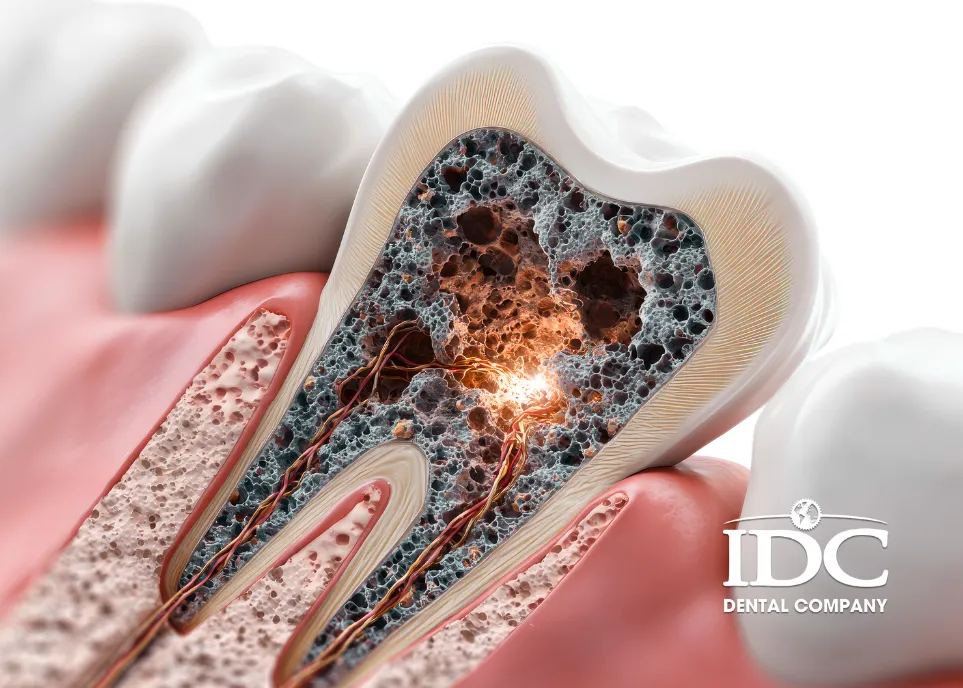
Tooth decay occurs when bacteria in the mouth form plaque—a sticky film that builds up on the teeth. When you consume sugary or starchy foods, these bacteria produce acids that gradually erode the tooth’s protective outer layer (enamel).
If the decay process continues:
- Enamel becomes weakened and damaged
- Acid reaches the dentin (the softer inner layer)
- A hole or cavity forms
- Infection can spread to the pulp (nerve and blood vessels)
Without treatment, this condition may lead to severe pain, abscess formation, and eventually tooth loss.
Common Causes of Cavities
Several factors increase the risk of tooth decay:
- Poor oral hygiene habits
- Frequent consumption of sugary or acidic foods
- Dry mouth (low saliva production)
- Smoking or alcohol use
- Irregular dental checkups
Early detection is the key to preventing more serious complications.
Signs and Symptoms of Tooth Decay
Early Warning Signs
- Sensitivity to hot, cold, or sweet foods
- White, brown, or dark spots on the tooth surface
- Mild discomfort when chewing
At this stage, treatment is simple, quick, and affordable.
Advanced Symptoms
- Persistent toothache
- Visible holes or pits in the teeth
- Bad breath or unpleasant taste
- Gum swelling or facial discomfort
If you experience these symptoms, you should seek professional cavity treatment in Da Nang City as soon as possible.
Why Early Cavity Treatment Is Important
Treating tooth decay early offers several important benefits:
- Prevents infection from reaching the tooth nerve
- Avoids complex and expensive procedures such as root canal treatment
- Preserves natural tooth structure
- Maintains proper chewing function
- Protects overall oral and general health
Delaying treatment often leads to more extensive damage and higher costs.
Tooth Decay and Cavity Treatment Options in Da Nang City
Modern dental clinics in Da Nang offer a full range of treatment solutions depending on the severity of decay.
Dental Fillings
For early to moderate cavities, fillings are the most common solution. The dentist removes the decayed portion and restores the tooth using:
- Composite resin (tooth-colored, aesthetic)
- Glass ionomer
- Amalgam (less common today)
Composite fillings are the most popular option due to their natural appearance and durability.
Inlays and Onlays
When the cavity is too large for a simple filling but the tooth structure is still strong, inlays or onlays may be recommended. These custom-made restorations provide:
- Better strength
- Long-term durability
- Improved aesthetics
Root Canal Treatment
If decay reaches the pulp, root canal treatment becomes necessary. This procedure:
- Removes infected tissue
- Cleans and disinfects the root canal
- Seals the tooth to prevent reinfection
Modern techniques make root canal treatment comfortable and highly successful.
Dental Crowns
After extensive decay or root canal treatment, a dental crown may be placed to protect and strengthen the remaining tooth structure.
Tooth Extraction (When Necessary)
If the tooth is severely damaged and cannot be saved, extraction may be required. Replacement options include:
- Dental implants
- Bridges
- Partial dentures
Dentists in Da Nang always prioritize saving natural teeth whenever possible.
Cost of Cavity Treatment in Da Nang City
One of the main reasons patients choose Da Nang for dental care is affordability.
Average Price Range
- Composite filling: $20 – $50 per tooth
- Root canal treatment: $100 – $250
- Dental crown: $150 – $400
- Tooth extraction: $20 – $80
Prices may vary depending on the clinic and materials used.
Factors That Affect Treatment Cost
- Severity and location of decay
- Type of restorative material
- Technology and equipment used
- Dentist’s experience and specialization
- Additional procedures required
Cost Comparison with Other Countries
Compared to Western countries:
- USA / Australia: 3–5 times higher
- Europe / Canada: 2–4 times higher
This significant cost difference makes dental tourism in Da Nang City an attractive option.
Why Choose Da Nang City for Cavity Treatment?
High-Quality Yet Affordable Care
Many dental clinics in Da Nang are equipped with:
- Digital X-ray systems
- Intraoral scanners
- Modern sterilization protocols
- International-standard materials
Experienced Dentists and English Communication
Many dentists have international training and experience treating foreign patients. English-speaking staff ensure clear communication and comfortable treatment.
Convenient Dental Tourism Experience
Da Nang offers:
- Easy international travel access
- Affordable hotels and accommodation
- Beautiful beaches and a relaxing environment
- Short treatment times for most procedures
Patients can combine dental care with a vacation.
What to Expect During Cavity Treatment
Step 1: Consultation and Examination
The dentist will:
- Perform a clinical examination
- Take digital X-rays if needed
- Assess the extent of decay
- Recommend the appropriate treatment plan
Step 2: Treatment Procedure
For a filling:
- Local anesthesia is applied
- Decayed tissue is removed
- The cavity is cleaned and disinfected
- Filling material is placed and shaped
- Bite adjustment and polishing
The procedure typically takes 20–40 minutes.
Is Cavity Treatment Painful?
Modern anesthesia ensures minimal discomfort. Most patients feel little to no pain during the procedure.
Aftercare and Recovery Tips
After treatment:
- Avoid hard or sticky foods for a few hours
- Maintain good brushing and flossing habits
- Use fluoride toothpaste
- Attend follow-up visits if recommended
Proper care helps restorations last for many years.
How to Prevent Tooth Decay in the Future
Prevention is always better than treatment. Follow these tips:
- Brush twice daily with fluoride toothpaste
- Floss once a day
- Limit sugary snacks and drinks
- Drink plenty of water
- Visit the dentist every 6 months for checkups and scaling
Regular professional cleaning removes plaque and tartar that daily brushing cannot eliminate.
How to Choose the Best Dental Clinic in Da Nang City
When selecting a clinic, consider:
Important Criteria
- Licensed and experienced dentists
- Modern equipment and technology
- Strict sterilization standards
- Transparent pricing
- Positive patient reviews
Questions to Ask Before Treatment
- What materials will be used?
- Are there any additional costs?
- How long will the treatment take?
- Is there a warranty for restorations?
Choosing the right clinic ensures safety, comfort, and long-term results.
Frequently Asked Questions
How long does a cavity filling take?
Most fillings take 20–40 minutes.
Can cavities heal without treatment?
No. Once a cavity forms, professional treatment is required.
Is cavity treatment safe for children?
Yes. Pediatric dental care is widely available in Da Nang.
How often should I check for cavities?
Every 6 months or as recommended by your dentist.
 WhatsApp