
Ceramic Crowns are one of the most effective solutions for restoring broken, cracked, or worn teeth. Over time, teeth can become damaged due to grinding, tooth decay, accidents, or enamel erosion, leading to sensitivity, difficulty chewing, and an uneven smile.
Modern ceramic crowns are designed to rebuild the tooth’s strength, shape, and appearance while providing long-term protection and natural-looking results.
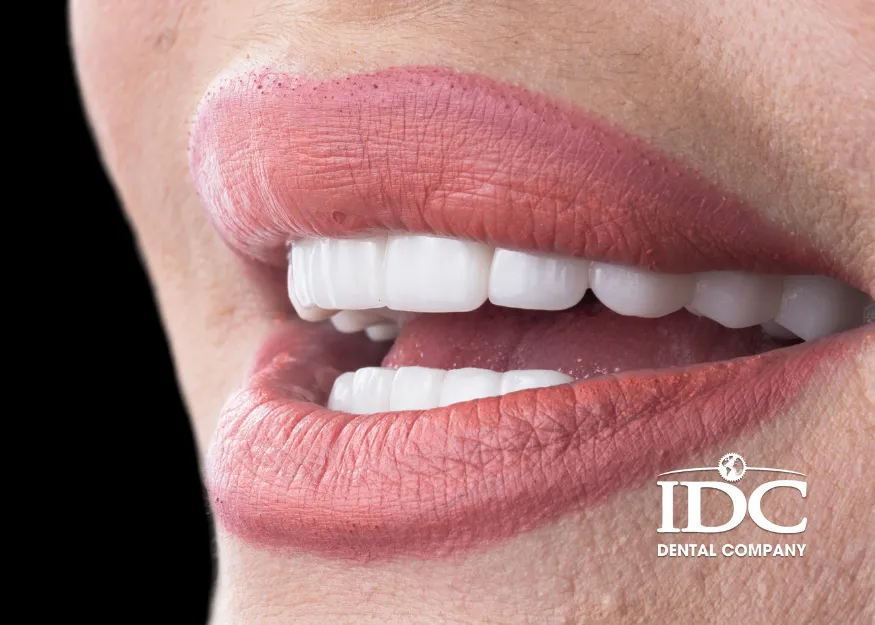
In this article, we’ll explore how ceramic crowns can fix damaged teeth, their benefits, the treatment process, and why many patients choose them for smile restoration.
What Are Ceramic Crowns?
Ceramic crowns are tooth-shaped restorations that completely cover damaged or weakened teeth. They act like a protective cap placed over the natural tooth to restore its function and appearance.
Unlike traditional metal crowns, ceramic crowns are made from tooth-colored materials designed to closely mimic natural enamel. Modern ceramic crowns are highly aesthetic, durable, and biocompatible.
Several types of ceramic crowns are commonly used today, including:
- Porcelain crowns
- E-max crowns
- Zirconia crowns
- Porcelain-fused ceramic restorations
These crowns are especially popular for visible teeth because they provide a natural and seamless smile appearance.
What Causes Broken or Worn Teeth?
Teeth are strong, but they are not indestructible. Over time, many factors can weaken or damage them.
Teeth Grinding (Bruxism)
Chronic grinding or clenching places excessive pressure on teeth, gradually wearing down enamel and shortening the teeth.
Tooth Decay
Large cavities weaken the internal tooth structure and increase the risk of fractures.
Trauma or Accidents
Sports injuries, falls, or biting hard objects can chip or crack teeth suddenly.
Acid Erosion
Acidic foods, soft drinks, acid reflux, or stomach conditions can dissolve enamel over time.
Aging
Natural wear accumulates over decades of chewing and daily use.
When left untreated, these problems can worsen and eventually lead to severe tooth damage or tooth loss.
Can Ceramic Crowns Fix Broken Teeth?
Yes. Ceramic crowns are one of the most effective treatments for broken teeth.
When a tooth is cracked, fractured, or heavily damaged, a crown can cover and stabilize the remaining structure. Instead of removing the tooth entirely, the dentist preserves the healthy root and rebuilds the visible portion using a ceramic crown.
Ceramic crowns can help repair:
- Chipped teeth
- Cracked teeth
- Fractured molars
- Broken front teeth
- Teeth weakened by large fillings
- Teeth after root canal treatment
The crown protects the damaged tooth from further fractures while restoring its shape and strength.
This allows patients to chew comfortably again and regain confidence in their smile.
Can Ceramic Crowns Restore Worn Teeth?
Absolutely.
Worn teeth are often caused by grinding, clenching, or enamel erosion. Over time, the teeth become shorter, flatter, and weaker.
In severe cases, worn teeth can affect:
- Bite alignment
- Jaw function
- Facial appearance
- Speech
- Chewing efficiency
Ceramic crowns can rebuild the lost tooth structure and restore proper bite height.
This treatment is especially helpful for patients with:
- Severe enamel wear
- Flattened chewing surfaces
- Shortened front teeth
- Sensitivity from enamel loss
- Bite collapse from long-term grinding
By rebuilding worn teeth, ceramic crowns can dramatically improve both oral function and smile aesthetics.
How Ceramic Crowns Work
Ceramic crowns work by fully covering the visible portion of the damaged tooth.
The dentist first removes damaged or weakened areas and reshapes the tooth to create space for the crown. A custom ceramic restoration is then fabricated to match the patient’s natural teeth.
Once bonded into place, the crown functions like a strong outer shell.
It helps:
- Protect the remaining tooth structure
- Restore chewing strength
- Improve appearance
- Prevent further wear or fractures
- Stabilize weakened teeth
Modern ceramic crowns are carefully designed using digital technology to ensure a comfortable and natural fit.
Benefits of Ceramic Crowns for Broken or Worn Teeth
Natural Appearance
One of the biggest advantages of ceramic crowns is their highly aesthetic appearance.
The material reflects light similarly to natural enamel, making the crowns blend seamlessly with surrounding teeth.
This is especially important for front teeth restorations.
Strong and Durable
Modern ceramic materials are much stronger than older porcelain restorations.
High-quality zirconia and E-max crowns can withstand normal chewing forces for many years when properly maintained.
Long-Term Protection
Ceramic crowns protect weakened teeth from additional fractures and wear.
This helps preserve the natural tooth and avoid more invasive procedures later.
Improved Chewing Function
Broken or worn teeth often make chewing uncomfortable or inefficient.
Crowns restore normal biting and chewing ability, allowing patients to eat more comfortably.
Better Smile Aesthetics
Ceramic crowns can improve:
- Tooth shape
- Tooth color
- Smile symmetry
- Tooth proportions
Many patients experience a significant cosmetic improvement after treatment.
Ceramic Crowns vs Fillings
Some patients wonder whether a filling is enough instead of a crown.
Small cavities or minor chips can often be repaired with fillings. However, when too much tooth structure is missing, fillings may not provide enough support.
Large fillings can eventually crack or fail under pressure.
Ceramic crowns are usually recommended when:
- More than half of the tooth is damaged
- The tooth is cracked
- The tooth is severely worn
- The tooth has undergone root canal treatment
- The tooth is structurally weak
In these situations, crowns provide much better long-term protection.
Ceramic Crowns vs Veneers
Veneers are thin shells placed on the front surface of teeth, mainly for cosmetic improvements.
Ceramic crowns, however, cover the entire tooth.
Crowns are more suitable for:
- Severely broken teeth
- Worn teeth
- Weak teeth
- Large restorations
- Teeth needing structural reinforcement
If the tooth damage is extensive, crowns are usually the safer and stronger solution.
The Ceramic Crown Procedure
The treatment process typically involves several steps.
Consultation and Examination
The dentist evaluates the tooth using clinical examination, digital X-rays, and bite analysis.
This helps determine whether the tooth can be restored with a crown.
Tooth Preparation
The damaged areas are removed, and the tooth is reshaped to fit the crown properly.
Digital Scanning or Impressions
Modern clinics often use digital scanners to create highly accurate crown designs.
Temporary Crown
A temporary crown may be placed while the final restoration is being fabricated.
Final Crown Placement
Once completed, the ceramic crown is bonded securely onto the tooth.
The dentist checks:
- Fit
- Bite alignment
- Appearance
- Comfort
After adjustment, the crown functions similarly to a natural tooth.
How Long Do Ceramic Crowns Last?
Ceramic crowns are designed to be long-lasting restorations.
On average, they can last:
- 10–15 years
- Sometimes 20 years or longer with proper care
Several factors affect longevity:
- Oral hygiene
- Teeth grinding habits
- Crown material
- Dentist experience
- Bite forces
- Regular dental maintenance
Patients who wear night guards and maintain good oral hygiene often achieve excellent long-term results.
Are Ceramic Crowns Safe?
Yes. Modern ceramic crowns are considered highly safe and biocompatible.
They are widely used in restorative and cosmetic dentistry worldwide.
Advantages include:
- Metal-free materials
- Low allergy risk
- Gum-friendly surfaces
- Natural aesthetics
- Excellent tissue compatibility
Modern digital dentistry also improves crown precision, reducing complications and improving comfort.
Caring for Ceramic Crowns
Proper maintenance is important for long-term success.
Patients should:
- Brush twice daily
- Floss regularly
- Avoid chewing hard objects
- Wear night guards if grinding teeth
- Attend routine dental checkups
Although ceramic crowns are durable, they still require proper care like natural teeth.
What Happens If Broken or Worn Teeth Are Not Treated?
Ignoring damaged teeth can lead to serious complications.
Broken or worn teeth may eventually cause:
- Severe fractures
- Tooth infections
- Nerve damage
- Bite problems
- Jaw pain
- Tooth loss
As tooth wear progresses, treatment often becomes more complicated and expensive.
Early intervention with ceramic crowns can help preserve natural teeth and avoid major dental problems.
Why Many International Patients Choose Vietnam for Ceramic Crowns
Vietnam has become a popular destination for restorative and cosmetic dental treatment.
Many international patients choose Vietnam because of:
- Affordable treatment costs
- High-quality dental care
- Modern digital technology
- Experienced dentists
- International-standard clinics
Compared to countries like Australia, the United States, or Canada, ceramic crown treatment in Vietnam can often cost significantly less while still maintaining excellent quality.
Why Choose IDC Da Nang Dental for Ceramic Crowns
IDC Da Nang Dental Clinic is one of the trusted destinations for ceramic crown treatment in Vietnam.
The clinic offers:
- Experienced restorative dentists
- Advanced digital smile design
- High-quality ceramic materials
- Modern dental technology
- Personalized treatment planning
- Support for international patients
IDC Da Nang Dental focuses on restoring both dental function and natural smile aesthetics for patients with broken, worn, or damaged teeth.
Frequently Asked Questions
Can ceramic crowns fix severely broken teeth?
In many cases, yes. If enough healthy tooth structure remains, crowns can restore severely damaged teeth effectively.
Are ceramic crowns painful?
The procedure is generally comfortable because local anesthesia is used during treatment.
Which is better: zirconia or porcelain crowns?
It depends on the clinical case. Zirconia offers higher strength, while porcelain and E-max provide superior aesthetics for visible teeth.
Do ceramic crowns look natural?
Yes. Modern ceramic crowns are designed to closely resemble natural enamel.
Can ceramic crowns break?
Although durable, crowns can still chip or fracture under extreme pressure or trauma.



 WhatsApp