Porcelain crown vs veneers is a question many patients ask when exploring options to improve their smile. Both treatments are popular in modern dentistry, offering effective solutions for enhancing appearance and restoring teeth—but they are designed for different needs.
While veneers are ideal for cosmetic improvements like discoloration or minor imperfections, porcelain crowns are typically recommended for teeth that are damaged, weakened, or require full protection. Knowing how these two options differ is important, especially if you are planning a smile makeover or considering dental treatment abroad.
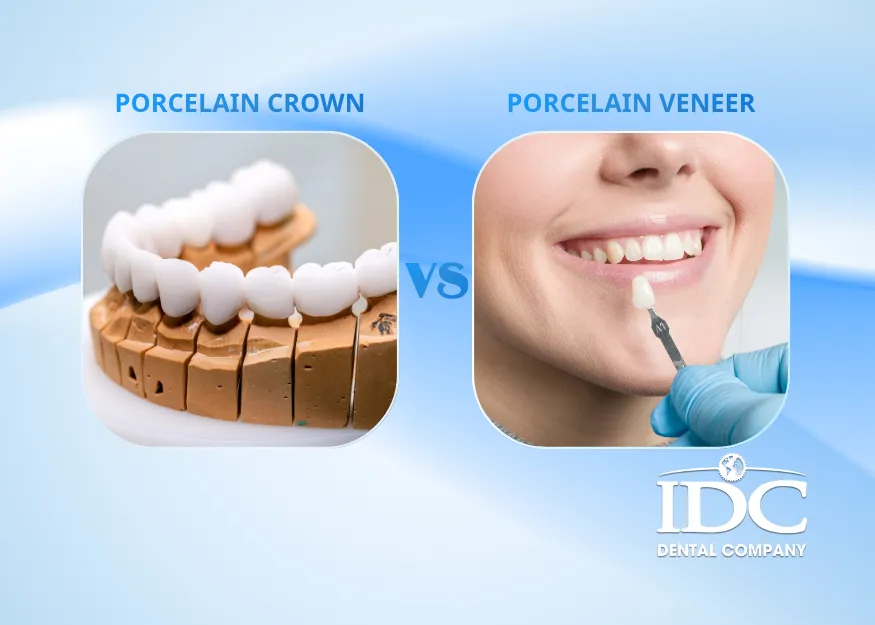
In this guide, we’ll help you understand the key differences—from function and aesthetics to cost and durability—so you can confidently choose the best option for your smile.
What Are Porcelain Crowns?
A porcelain crown is a custom-made cap that completely covers a damaged or weakened tooth. It is designed to restore both the function and appearance of the tooth.
When Are Porcelain Crowns Recommended?
Dentists usually recommend crowns in cases such as:
- Severely decayed teeth
- Cracked or broken teeth
- Teeth that have undergone root canal treatment
- Large fillings that weaken the tooth structure
Benefits of Porcelain Crowns
- Restore full strength and function
- Protect the remaining tooth structure
- Long-lasting (10–15+ years)
- Natural appearance with modern materials
Crowns are considered a restorative solution, meaning they are used when the tooth is already compromised.
What Are Dental Veneers?
Dental veneers are thin shells bonded to the front surface of teeth to improve their appearance. They are primarily used in cosmetic dentistry.
When Are Veneers Recommended?
Veneers are ideal for:
- Discolored or stained teeth
- Minor chips or cracks
- Gaps between teeth
- Slight misalignment
- Uneven tooth shapes
Benefits of Veneers
- Minimally invasive procedure
- Highly aesthetic results
- Natural-looking smile
- Ideal for smile makeovers
Unlike crowns, veneers are best suited for healthy teeth that need cosmetic enhancement.
Key Differences: Porcelain Crown vs Veneers
1. Tooth Coverage
- Porcelain Crown: Covers the entire tooth
- Veneer: Covers only the front surface
2. Tooth Preparation
- Crown: Requires significant enamel removal
- Veneer: Minimal tooth reduction
3. Purpose
- Crown: Restorative + cosmetic
- Veneer: Primarily cosmetic
4. Durability
- Crown: Stronger, ideal for damaged teeth
- Veneer: Durable but thinner
5. Aesthetic Results
- Veneers: More natural for front teeth
- Crowns: Slightly thicker but still aesthetic
Pros and Cons of Porcelain Crowns
Pros
- Extremely durable
- Protects weak or damaged teeth
- Suitable for back teeth and heavy chewing
- Long lifespan
Cons
- More invasive
- Requires more tooth structure removal
- Higher cost in some cases
Pros and Cons of Veneers
Pros
- Minimal tooth reduction
- Excellent cosmetic results
- Ideal for front teeth
- Quick smile transformation
Cons
- Not suitable for severely damaged teeth
- Less strength compared to crowns
- May need replacement after years
Which Is Better for Your Smile? (Decision Guide)
Choosing between a porcelain crown and veneers depends on your dental condition and goals.
Choose Porcelain Crowns If:
- Your tooth is severely damaged or decayed
- You have had a root canal
- You need structural support
- Your tooth is cracked or weak
Choose Veneers If:
- Your teeth are generally healthy
- You want cosmetic improvement
- You want a brighter, more even smile
- You are aiming for a “Hollywood smile.”
=> Simple rule:
- Functional problem → Crown
- Cosmetic improvement → Veneers
Cost Comparison: Porcelain Crown vs Veneers
In Western Countries (US/AU/CA)
- Porcelain crowns: $1,000 – $2,500 per tooth
- Veneers: $1,200 – $2,500 per tooth
In Vietnam (Dental Tourism)
- Crowns: $250 – $600 per tooth
- Veneers: $300 – $700 per tooth
Factors Affecting Cost
- Material (E.max, Zirconia, etc.)
- Dentist experience
- Clinic reputation
- Technology used
=> This is why many international patients travel to Vietnam for affordable, high-quality dental care.
Longevity: How Long Do Porcelain Crowns vs Veneers Last?
- Porcelain Crowns: 10–15+ years
- Veneers: 10–15 years
What Affects Lifespan?
- Oral hygiene habits
- Teeth grinding (bruxism)
- Diet and lifestyle
- Regular dental check-ups
With proper care, both options can last over a decade.
Procedure Comparison: What to Expect
Porcelain Crown Procedure
- Tooth reshaping
- Impression or digital scan
- Temporary crown placement
- Final crown placement
Veneer Procedure
- Consultation and smile design
- Minimal tooth preparation
- Temporary veneers (if needed)
- Final bonding
Veneers usually require less time and less invasive preparation.
Risks and Considerations
Both treatments are safe, but there are some considerations:
For Crowns
- Irreversible tooth reduction
- Possible sensitivity
For Veneers
- Not suitable for weak teeth
- Risk of chipping if abused
Important Tip
Always choose a reputable clinic with experienced dentists to minimize risks.
Porcelain Crown vs Veneers in Vietnam (Dental Tourism Perspective)
Vietnam has become a leading destination for cosmetic dentistry, especially for patients from Australia and the US.
Why Choose Vietnam?
- Up to 70% cost savings
- Modern dental technology
- English-speaking dentists
- Fast treatment timelines (3–7 days)
Many patients combine dental care with a relaxing vacation, making it both cost-effective and enjoyable.
FAQs About Porcelain Crown vs Veneers
Which is more painful?
Both procedures are typically painless with local anesthesia.
Which looks more natural?
Veneers usually provide the most natural appearance for front teeth.
Can veneers replace crowns?
No, veneers are not suitable for severely damaged teeth.
Which lasts longer?
Both can last 10–15 years with proper care.
Can I switch from a veneer to a crown later?
Yes, crowns can replace veneers if needed.



 WhatsApp