
An English-speaking dental examination in Da Nang helps overseas visitors receive accurate diagnosis and professional care for tooth pain, gum problems, broken restorations, or other oral health concerns. Clear communication allows patients to understand their condition, treatment options, estimated costs, and aftercare before making any decisions.
Whether visiting Da Nang for travel, work, or long-term stay, international patients may need a routine dental check-up, emergency care, or a consultation for cosmetic dentistry, dental implants, or orthodontics.
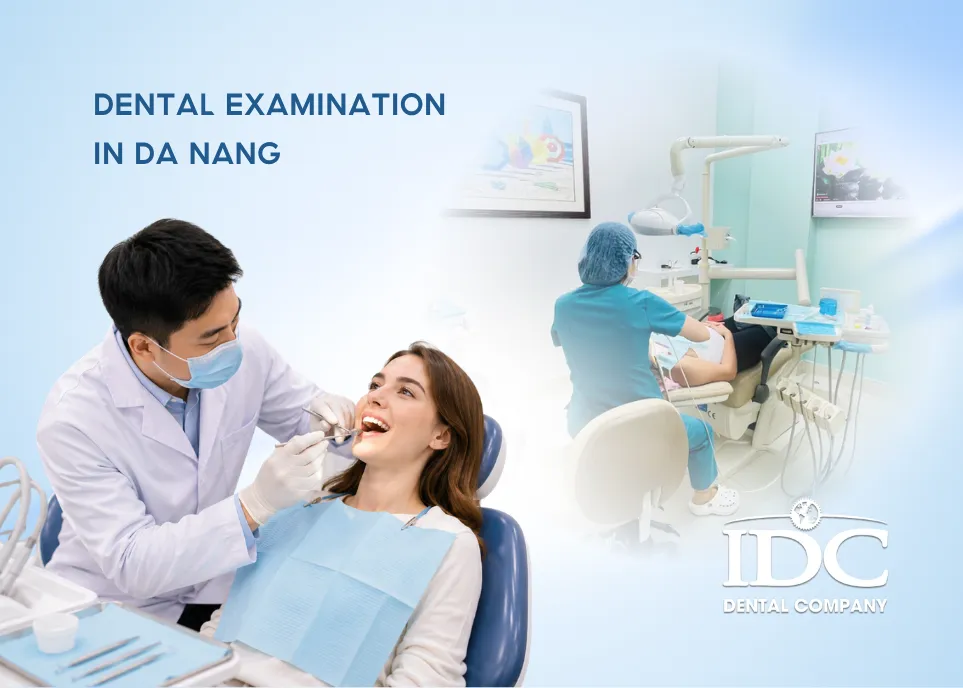
IDC Dental Da Nang provides comprehensive dental examinations with English-speaking support, modern diagnostic technology, and personalized treatment planning for overseas visitors.
Why Overseas Visitors May Need a Dental Examination in Da Nang
Many travelers assume they will only need a dentist if they experience severe pain. However, a dental examination can be useful for both urgent and non-urgent concerns.
Routine Oral Health Check-Up
Some overseas visitors stay in Da Nang for several weeks or months. Expatriates, digital nomads, business professionals, and international students may prefer to maintain their normal dental check-up schedule while living abroad.
A routine examination allows the dentist to check for:
- Early tooth decay
- Gum inflammation
- Tartar accumulation
- Worn or cracked teeth
- Problems with fillings or crowns
- Wisdom tooth issues
- Bite problems
- Signs of infection
Detecting these concerns early may help prevent more complicated treatment later.
Sudden Tooth Pain During a Trip
Tooth pain can develop without warning. It may be caused by deep decay, pulp inflammation, a cracked tooth, gum infection, an impacted wisdom tooth, or pressure around an existing restoration.
Pain can range from mild sensitivity to severe throbbing discomfort that affects sleep and eating. A professional examination helps identify the cause instead of relying only on temporary pain relief.
Broken Filling, Crown, or Veneer
Old dental restorations may loosen, crack, or fall out while a person is traveling. Hard foods, accidental biting, tooth grinding, or underlying decay can damage a filling, crown, bridge, or veneer.
Even when there is no immediate pain, the exposed tooth may become sensitive or vulnerable to further damage. A dental examination can determine whether the restoration can be repaired or needs replacement.
Swollen or Bleeding Gums
Bleeding during brushing, gum swelling, tenderness, or persistent bad breath may indicate gingivitis or periodontal disease.
These symptoms should not always be ignored, especially when they continue for several days. Early gum disease may often be managed with professional cleaning and improved oral hygiene, while more advanced disease may require deeper periodontal treatment.
Tooth Sensitivity
Sensitivity to cold drinks, hot food, sweets, or brushing may be caused by enamel wear, gum recession, decay, cracks, or exposed tooth roots.
A dental examination helps distinguish between temporary sensitivity and a condition that requires treatment.
Before Cosmetic or Implant Treatment
International patients considering veneers, crowns, teeth whitening, dental implants, or full-mouth rehabilitation should begin with a complete examination.
Cosmetic or restorative treatment should not be planned until the dentist evaluates the condition of the teeth, gums, bite, jawbone, and existing dental work.
Why Choose an English-Speaking Dental Clinic?
Dental treatment requires more than technical skill. Patients need to understand what is happening and why a specific procedure is recommended.
Better Communication with the Dentist
Clear communication allows overseas visitors to describe symptoms accurately, including when the problem started, what triggers the pain, and whether previous treatment has been performed.
The dentist can then explain the findings using terms the patient understands.
Accurate Explanation of the Diagnosis
Patients should know whether the problem involves decay, infection, gum disease, a cracked tooth, an impacted wisdom tooth, or another condition.
An English-speaking consultation reduces confusion and allows the patient to understand the difference between urgent treatment and procedures that may safely wait until they return home.
Understanding Treatment Options
Many dental problems can be treated in more than one way. For example, a damaged tooth may be restored with a filling, crown, root canal treatment, or extraction depending on its condition.
International patients should understand:
- The purpose of each option
- Benefits and limitations
- Estimated treatment time
- Recovery expectations
- Number of appointments
- Long-term maintenance
- Possible alternatives
Clear Cost Information
Travelers often need to manage both time and budget carefully. A reliable clinic should explain the expected cost before treatment begins and clarify whether additional procedures may be required.
Transparent pricing helps patients make informed decisions without unexpected charges.
Better Aftercare Instructions
Aftercare may include advice about eating, brushing, medication, sensitivity, wound care, or follow-up appointments.
Clear English instructions are especially important for patients who will continue traveling after treatment.
Reduced Anxiety
Dental anxiety can be stronger when treatment takes place in another country. Being able to communicate in English helps patients ask questions, express concerns, and feel more confident during the appointment.
What Happens During a Dental Examination?
A professional dental examination usually includes several stages.
Medical and Dental History Review
The dentist or dental team may ask about:
- Existing medical conditions
- Allergies
- Current medications
- Previous dental treatment
- Pregnancy
- Blood pressure
- Diabetes
- Heart conditions
- Blood-thinning medication
- History of dental anxiety
This information can affect treatment planning, anesthesia, medication, and healing.
Discussion of Symptoms and Concerns
Patients should explain their main concern in as much detail as possible.
Useful information includes:
- When the pain started
- Where the pain is located
- Whether it is constant or intermittent
- What makes it worse
- Whether there is swelling
- Whether the tooth has been treated before
- Whether the patient has had recent trauma
For cosmetic consultations, patients may also discuss the color, shape, alignment, or proportion of their teeth.
Clinical Examination
The dentist examines the mouth, teeth, gums, bite, and oral tissues.
The examination may include checking for:
- Tooth decay
- Cracks and fractures
- Loose teeth
- Gum pockets
- Bleeding gums
- Swelling
- Existing restorations
- Bite irregularities
- Tooth wear
- Wisdom tooth problems
- Oral lesions
The dentist may also test individual teeth for sensitivity, mobility, or response to pressure.
Digital X-Rays
X-rays may be recommended when the dentist needs to examine areas beneath fillings, between teeth, around roots, or inside the jawbone.
They can help detect:
- Hidden decay
- Root infections
- Bone loss
- Impacted wisdom teeth
- Failed root canal treatment
- Problems around dental implants
- Jawbone abnormalities
Not every patient requires an X-ray. The decision depends on symptoms, clinical findings, and treatment history.
CBCT Three-Dimensional Imaging
CBCT imaging may be used for more complex cases such as:
- Dental implant planning
- Impacted wisdom teeth
- Full-mouth rehabilitation
- Complicated root canal anatomy
- Jawbone assessment
- Orthodontic planning
Three-dimensional imaging provides more detailed information than standard two-dimensional X-rays.
Diagnosis and Treatment Planning
After the examination, the dentist explains the findings and recommends an appropriate treatment plan.
The plan may include immediate care, preventive treatment, restorative procedures, or follow-up monitoring.
For international patients, the plan should also consider:
- Length of stay in Da Nang
- Number of available appointments
- Travel schedule
- Recovery time
- Need for follow-up care
- Possibility of continuing treatment at home
Common Dental Problems Detected During an Examination
A dental examination may reveal problems that are not yet causing severe symptoms.
Tooth Decay
Early decay may not cause pain. As it progresses, patients may develop sensitivity, discomfort when biting, or visible cavities.
Small areas of decay may often be treated with fillings, while deeper damage may require root canal therapy or a crown.
Gum Disease
Gingivitis may cause redness, bleeding, swelling, and bad breath. Without care, it may progress to periodontitis, which affects the bone supporting the teeth.
Advanced gum disease can lead to gum recession, tooth mobility, and eventual tooth loss.
Tooth Infection
An infection may develop when bacteria reach the dental pulp through deep decay, cracks, or trauma.
Possible symptoms include:
- Severe pain
- Swelling
- Sensitivity
- Pain when biting
- Bad taste
- Fever
- Dental abscess
Treatment may involve root canal therapy, drainage, medication, or extraction depending on the condition.
Cracked or Broken Teeth
Cracks may be difficult to see and can cause pain when chewing or sensitivity to temperature.
Treatment depends on the depth and location of the crack. Options may include bonding, a crown, root canal treatment, or extraction.
Worn Teeth
Tooth wear may result from grinding, acidic foods, reflux, aggressive brushing, or bite problems.
Worn teeth can become sensitive, shorter, or more likely to fracture.
Wisdom Tooth Problems
Impacted or partially erupted wisdom teeth may cause pain, gum inflammation, food trapping, decay, or damage to neighboring teeth.
Imaging can help determine the position of the tooth and whether removal is recommended.
Bite and Alignment Problems
Crowding, spacing, overbite, underbite, or crossbite can affect oral hygiene, tooth wear, chewing, and smile appearance.
The dentist may recommend an orthodontic consultation for braces or clear aligners.
Dental Treatments That May Follow an Examination
Not every examination leads to immediate treatment. However, when care is needed, the dentist may recommend one or more procedures.
Professional Teeth Cleaning
Professional cleaning removes plaque and tartar that cannot be fully removed by brushing and flossing.
It can help improve gum health, reduce bleeding, and manage bad breath.
Scaling and Teeth Polishing
Scaling removes hardened deposits around the teeth and gumline. Polishing helps smooth the tooth surfaces and reduce some external stains.
Tooth-Colored Fillings
Composite fillings can restore teeth affected by small or moderate cavities. The material is selected to match the natural tooth color.
Root Canal Treatment
Root canal treatment may be needed when the pulp is infected or irreversibly inflamed.
The infected tissue is removed, the root canal system is cleaned and sealed, and the tooth may later require a crown for protection.
Wisdom Tooth Removal
Wisdom tooth extraction may be recommended for impacted teeth, repeated gum infections, pain, decay, or damage to neighboring teeth.
The complexity of removal depends on the tooth’s position and relationship to surrounding structures.
Gum Disease Treatment
Treatment may range from routine cleaning to scaling and root planing or more advanced periodontal care.
Patients may also receive personalized oral hygiene instructions.
Dental Crowns
A crown may be used to protect a weakened, heavily filled, fractured, or root canal-treated tooth.
Modern ceramic crowns can restore both function and appearance.
Porcelain Veneers
Veneers may improve the shape, color, size, or alignment of selected front teeth.
However, the dentist must first assess enamel, gum health, bite, and suitability for treatment.
Dental Implants
Dental implants can replace one or more missing teeth. Implant planning requires evaluation of jawbone volume, gum health, bite, medical history, and long-term maintenance.
Invisalign Consultation
Patients interested in clear aligners may receive a bite assessment, digital scan, photographs, and treatment discussion.
The dentist or orthodontic provider evaluates whether Invisalign is suitable for the patient’s alignment and bite concerns.
About IDC Dental Da Nang
IDC Dental Da Nang provides dental examinations and treatment for patients with different oral health needs.
Convenient Central Location
A central location is helpful for visitors staying near hotels, offices, restaurants, and tourist attractions. It also makes follow-up appointments easier for patients who need more than one visit.
Experienced Dental Team
A comprehensive examination may involve different areas of dentistry, including general care, restorative treatment, periodontics, orthodontics, implants, and cosmetic dentistry.
A multidisciplinary approach can be useful for patients with multiple concerns.
English-Speaking Support
English communication helps overseas visitors understand their diagnosis, treatment plan, costs, expected results, and aftercare.
It also gives patients an opportunity to ask detailed questions before agreeing to treatment.
Modern Diagnostic Technology
Depending on the case, IDC Dental Da Nang may use digital X-rays, CBCT imaging, intraoral scanning, and digital treatment-planning tools.
These technologies support more accurate diagnosis and clearer communication.
Personalized Treatment Planning
Treatment is planned according to the patient’s condition, priorities, travel schedule, and available time.
For short-term visitors, the dentist may focus on urgent care and stabilization. For patients staying longer, a more comprehensive plan may be possible.
Comfortable Environment for International Patients
A calm clinical environment, clear explanations, and supportive staff can help reduce anxiety for patients receiving treatment abroad.
Who Can Benefit from an English-Speaking Dental Examination?
Tourists
Tourists may need care for tooth pain, broken restorations, gum swelling, dental trauma, or professional cleaning.
Expatriates
Foreign residents in Da Nang may require regular check-ups, preventive care, orthodontics, implants, or long-term restorative treatment.
Digital Nomads
Digital nomads staying in the city for several months may find it convenient to complete routine dental care during their stay.
Overseas Vietnamese
Overseas Vietnamese often combine family visits with dental examinations, cosmetic treatment, implants, crowns, or full-mouth rehabilitation.
Business Travelers
Business travelers may need fast assessment and treatment that minimizes disruption to work schedules.
International Students
Students living in Da Nang may benefit from routine dental maintenance, emergency care, or orthodontic consultations.
How to Prepare for Your Dental Examination
Patients can make the appointment more efficient by preparing basic information in advance.
Bring previous dental records or X-rays when available. These may help the dentist understand previous root canals, implants, crowns, orthodontic treatment, or other procedures.
Prepare a list of medications and medical conditions, especially if you take blood thinners or have diabetes, heart disease, allergies, or immune system conditions.
Describe your symptoms clearly and explain how long they have been present.
It is also helpful to tell the clinic how long you will remain in Da Nang and whether you have travel plans immediately after treatment.
Why International Patients Choose IDC Dental Da Nang
Overseas visitors often look for more than affordable dental treatment. They want confidence that the clinic can communicate clearly, diagnose accurately, and provide a realistic treatment plan.
IDC Dental Da Nang offers several advantages for international patients:
- English-speaking communication
- Modern diagnostic equipment
- Comprehensive dental services
- Personalized treatment plans
- Transparent cost discussions
- Convenient central location
- Support for tourists and expatriates
- Preventive, restorative, cosmetic, implant, and orthodontic care
The clinic aims to help patients make informed choices rather than rushing into unnecessary treatment.
Frequently Asked Questions
Do I need an appointment?
Booking in advance is recommended, especially for consultations, dental implants, cosmetic treatment, or orthodontic assessment. Urgent cases may be accepted depending on availability.
How long does a dental examination take?
A routine examination may take approximately 20 to 45 minutes. Complex cases involving imaging, implant planning, or several treatment concerns may take longer.
Will I need X-rays?
Not every patient needs X-rays. The dentist recommends imaging only when it is necessary to clarify the diagnosis or plan treatment.
Can I receive treatment on the same day?
Some treatments, such as cleaning, fillings, pain relief, temporary restorations, or emergency care, may be possible on the same day. More complex procedures usually require additional planning.
Can tourists receive emergency dental care?
Yes. Tourists can receive assessment and treatment for tooth pain, infection, broken teeth, lost restorations, or other urgent concerns.
Can I complete major dental treatment during a short visit?
It depends on the procedure. Cleaning, fillings, whitening, and some crowns may fit within a shorter stay. Dental implants, orthodontics, and full-mouth rehabilitation often require more time and follow-up.
How often should I have a dental examination?
Many adults benefit from a dental check-up about every six months. However, the schedule may vary according to gum health, decay risk, previous treatment, and medical history.
 WhatsApp