
A good English-speaking dentist in Da Nang is essential for foreigners, tourists, expatriates, and international patients seeking professional dental care. Clear communication helps patients understand their diagnosis, treatment options, costs, and aftercare with confidence.
Da Nang is not only a popular travel destination but also home to modern dental clinics offering services such as routine check-ups, emergency dentistry, dental implants, porcelain crowns, and cosmetic treatments.
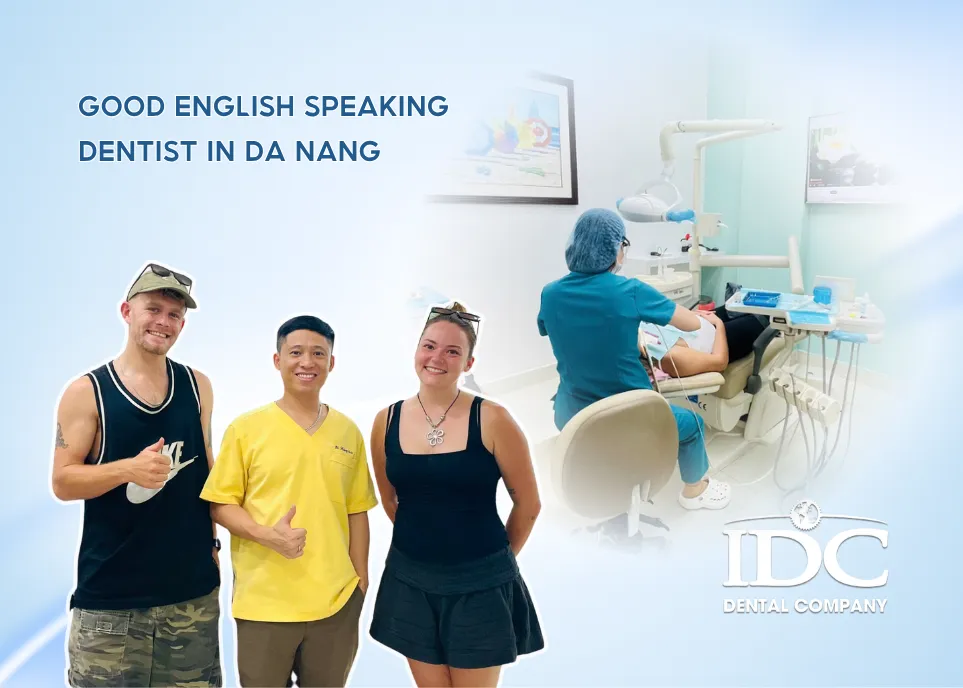
This guide explains how to choose the right English-speaking dentist in Da Nang and what international patients can expect during their visit.
Why Foreigners Need an English-Speaking Dentist in Da Nang
Visiting a dentist in another country can feel stressful, especially when the patient does not speak the local language. Dental terminology is often difficult to understand even in a person’s native language. A communication barrier may therefore make the experience more confusing.
An English-speaking dentist can explain the diagnosis and treatment process in a way that international patients can understand.
Clear Communication During Diagnosis
Before recommending treatment, the dentist must identify the cause of the dental problem. This may involve a clinical examination, digital X-rays, photographs, or a CBCT scan.
The dentist should be able to explain:
- What condition has been detected
- Why the problem occurred
- Whether treatment is urgent
- What may happen if treatment is delayed
- Which treatment options are available
- What results the patient can reasonably expect
Clear explanations help patients make informed decisions rather than agreeing to treatment without fully understanding it.
Accurate Medical History Review
A patient’s medical history can affect dental treatment. Conditions such as diabetes, heart disease, high blood pressure, allergies, bleeding disorders, and pregnancy may influence the treatment plan.
The dentist also needs to understand whether the patient is taking medications such as blood thinners, antibiotics, pain relievers, or medication for chronic diseases.
English communication helps reduce misunderstandings when reviewing important medical information.
Better Understanding of Costs
International patients often want to know the expected cost before treatment begins. A good dental clinic should provide a clear estimate based on the examination and necessary diagnostic imaging.
The patient should understand:
- What procedures are included
- Whether additional treatment may be required
- Which materials will be used
- How many appointments are needed
- Whether temporary restorations are necessary
- What payment methods are accepted
- Whether follow-up care is included
Transparent communication helps prevent unexpected costs and allows tourists to plan their budget appropriately.
More Confidence Throughout Treatment
Dental treatment can cause anxiety, particularly when the patient is away from home. Being able to ask questions in English can make international patients feel more secure.
The dentist can explain each stage of the procedure, let the patient know what sensations to expect, and provide clear aftercare instructions. This creates a more comfortable and patient-centered experience.
Who Can Benefit from an English-Speaking Dentist?
English-speaking dental services are useful for many types of international patients in Da Nang.
International Tourists
Tourists may need dental treatment because of sudden tooth pain, a broken filling, a chipped tooth, gum swelling, or an accident during their holiday.
Others may choose to schedule preventive or cosmetic treatment while staying in Da Nang.
Expatriates Living in Da Nang
Foreign residents need long-term access to routine dental care, including check-ups, cleanings, fillings, gum treatment, orthodontics, and implant maintenance.
A clinic that keeps organized patient records and offers English support can provide continuity of care over time.
Digital Nomads
Da Nang is increasingly popular with remote workers and digital nomads. Some stay for several weeks or months, making it convenient to complete treatments that require more than one appointment.
Overseas Vietnamese
Overseas Vietnamese patients may speak some Vietnamese but still feel more comfortable discussing detailed medical information in English.
They may return to Vietnam for dental implants, crowns, veneers, orthodontics, or full-mouth rehabilitation.
Business Travelers
Business travelers often have limited time. They may need a clinic that can arrange consultations quickly and complete suitable treatments within a short schedule.
International Students
Foreign students living in Da Nang may need affordable preventive care, emergency treatment, wisdom tooth removal, or orthodontic consultations.
Dental Services Available for Foreigners and Tourists
A modern dental clinic in Da Nang can provide a broad range of treatments for international patients.
General Dental Care
Routine dental care helps prevent minor problems from developing into more serious conditions.
Common services include:
- Dental examinations
- Professional teeth cleaning
- Digital X-rays
- Tooth-colored fillings
- Gum disease assessment
- Fluoride treatment
- Oral hygiene guidance
Even when there is no pain, regular check-ups can detect cavities, gum inflammation, cracked fillings, and early infections.
Emergency Dental Care
Dental emergencies can happen unexpectedly while traveling.
Common emergency conditions include:
- Severe toothache
- Facial or gum swelling
- Dental abscess
- Broken or chipped teeth
- Lost fillings
- Loose or lost crowns
- Dental trauma
- Bleeding after an accident
- Wisdom tooth infection
- Broken dentures
An emergency dentist should first control pain and infection. Depending on the condition, treatment may include medication, drainage, filling repair, root canal therapy, extraction, or a temporary restoration.
Travelers should contact a dental clinic as soon as possible if they experience significant pain, swelling, fever, or difficulty opening the mouth.
Professional Teeth Cleaning
Professional cleaning removes plaque, tartar, and surface stains that cannot always be eliminated with normal brushing.
This treatment may be suitable for tourists who want fresher breath and cleaner teeth before returning home.
The dentist may also evaluate the gums and provide personalized oral hygiene advice.
Root Canal Treatment
Root canal therapy may be required when the dental pulp becomes infected or severely inflamed.
Possible symptoms include:
- Persistent toothache
- Sensitivity to hot or cold
- Pain when biting
- Gum swelling
- Tooth discoloration
- A small pimple on the gum
During treatment, infected tissue is removed from inside the tooth. The canals are then cleaned, disinfected, shaped, and sealed.
Depending on the condition, the patient may need one or more appointments. A crown may be recommended afterward to protect the tooth.
Porcelain Crowns
A dental crown covers and protects a damaged or weakened tooth.
Crowns may be recommended for:
- Large cavities
- Broken teeth
- Teeth after root canal treatment
- Severely worn teeth
- Discolored or misshapen teeth
- Replacement of old restorations
International patients should ask about the type of ceramic material, expected treatment time, temporary crowns, shade selection, warranty conditions, and aftercare.
Porcelain Veneers
Veneers are thin restorations placed on the front surfaces of teeth to improve their appearance.
They may be used to address:
- Discoloration
- Small gaps
- Mildly uneven teeth
- Chipped edges
- Irregular tooth shape
- Minor cosmetic concerns
Veneers are not suitable for every patient. The dentist should first assess the bite, enamel condition, gum health, and long-term expectations.
Dental Implants
Dental implants are used to replace missing teeth. An implant is placed into the jawbone and later restored with a crown, bridge, or full-arch prosthesis.
Implant treatment normally involves several stages:
- Clinical examination
- CBCT imaging
- Treatment planning
- Implant placement
- Healing period
- Final restoration
Some international patients complete implant placement during one trip and return later for the final crown. Others remain in Vietnam long enough to complete more stages.
The exact timeline depends on bone condition, implant stability, healing, and whether bone grafting is required.
Teeth Whitening
Professional teeth whitening can improve the brightness of natural teeth.
Before whitening, the dentist should check for:
- Cavities
- Gum inflammation
- Tooth sensitivity
- Cracked teeth
- Existing crowns or veneers
- Exposed roots
Crowns, veneers, and fillings do not whiten in the same way as natural teeth, so the overall smile should be evaluated before treatment.
Orthodontics and Invisalign
Foreign residents staying in Da Nang for a longer period may consider braces or clear aligners.
Orthodontic treatment may help improve:
- Crowded teeth
- Spacing
- Overbite
- Underbite
- Crossbite
- Tooth alignment
- Bite function
Patients should understand that orthodontic treatment requires regular follow-up appointments. Tourists staying only briefly may be better suited for a consultation rather than starting treatment immediately.
Wisdom Tooth Extraction
Wisdom teeth may cause pain, swelling, food trapping, gum infection, or pressure on nearby teeth.
Digital X-rays or CBCT imaging may be needed to evaluate the position of the tooth and its relationship to nerves and surrounding structures.
Simple cases may be treated quickly, while impacted wisdom teeth may require minor oral surgery.
Full-Mouth Rehabilitation
Patients with multiple missing, damaged, worn, or heavily restored teeth may require a comprehensive treatment plan.
Full-mouth rehabilitation may combine:
- Dental implants
- Crowns
- Bridges
- Root canal therapy
- Gum treatment
- Bite correction
- Cosmetic restoration
This type of treatment requires careful planning and may involve several appointments or multiple visits to Vietnam.
Modern Dental Technology International Patients Should Expect
A good dental clinic should use appropriate diagnostic tools before beginning major treatment.
Digital X-Rays
Digital X-rays help detect cavities, bone loss, infections, impacted teeth, and problems below the gumline.
They can be displayed immediately, allowing the dentist to explain the findings clearly.
CBCT 3D Imaging
CBCT scans provide three-dimensional images of the teeth, jawbone, sinuses, nerves, and surrounding structures.
They are particularly useful for:
- Dental implants
- Impacted wisdom teeth
- Complex root canal cases
- Bone evaluation
- Oral surgery planning
Intraoral Scanners
An intraoral scanner creates a digital model of the teeth without relying entirely on traditional impression materials.
Digital scans may be used for crowns, veneers, bridges, aligners, implant restorations, and treatment planning.
CAD/CAM Dentistry
CAD/CAM technology can support the design and production of certain dental restorations.
Depending on the clinic and the case, digital workflows may help improve fit, communication, and treatment efficiency.
Digital Smile Design
Digital Smile Design allows dentists to analyze tooth shape, proportions, gum levels, facial features, and smile balance.
It may help patients visualize the proposed direction of cosmetic treatment before the final restorations are completed.
Why Tourists Choose Dental Care in Da Nang
Da Nang offers several practical advantages for international dental patients.
Convenient Travel Destination
Da Nang has an international airport and direct access to popular destinations such as My Khe Beach, Son Tra Peninsula, Ba Na Hills, Marble Mountains, and Hoi An.
Patients can arrange dental appointments while also enjoying their trip.
Shorter Waiting Times
Many dental clinics can arrange consultations more quickly than patients may experience in some other countries.
Same-day or short-notice appointments may be available, particularly for urgent conditions.
Competitive Treatment Costs
Dental treatment in Vietnam may be more affordable than in countries such as the United States, Canada, Australia, or parts of Europe.
However, prices vary according to the clinic, dentist, complexity, materials, technology, and follow-up requirements.
International patients should focus on overall value, safety, and long-term outcomes rather than price alone.
Flexible Scheduling
Clinics experienced in treating tourists often understand that travelers have limited time.
The dental team may organize appointments around flights, tours, hotel stays, and treatment recovery periods.
A realistic schedule is important. Complex treatment should not be rushed simply to fit a short holiday.
How to Choose the Right English-Speaking Dentist
Before booking treatment, international patients should take several practical steps.
Review the Clinic’s Website
The website should provide information about:
- Dentists
- Services
- Technology
- Location
- Contact methods
- International patient support
- Treatment process
A professional website is useful, although it does not replace an in-person assessment.
Contact the Clinic Before Visiting
Patients can send a message explaining:
- Their main dental concern
- Current symptoms
- Length of stay in Da Nang
- Previous dental treatment
- Available X-rays
- Relevant medical conditions
- Preferred appointment time
Photos and previous dental records may help the clinic prepare, but a final diagnosis normally requires an examination.
Ask About English Support
Confirm whether the dentist speaks English directly or whether an English-speaking coordinator will assist during the appointment.
This is especially important for surgical or complex restorative treatment.
Request a Written Treatment Plan
For major procedures, the plan should ideally include:
- Diagnosis
- Recommended procedures
- Alternatives
- Materials
- Number of appointments
- Treatment timeline
- Estimated cost
- Follow-up requirements
Check Before-and-After Cases
Relevant clinical cases may help patients understand the dentist’s experience and treatment style.
However, each patient is different, and previous results do not guarantee an identical outcome.
Ask About Follow-Up Care
International patients should know what happens after they leave Vietnam.
Ask whether the clinic can provide:
- Treatment records
- X-rays
- Implant information
- Material details
- Written aftercare instructions
- Remote consultation
- Warranty conditions
- Communication with a dentist in the patient’s home country
What to Expect During Your First Dental Visit
A well-organized first visit normally includes several stages.
Appointment Registration
The clinic may ask for basic contact information, medical history, current medication, allergies, and the reason for the visit.
Clinical Examination
The dentist will examine the teeth, gums, bite, restorations, and areas of concern.
Diagnostic Imaging
X-rays, photographs, scans, or CBCT imaging may be recommended depending on the condition.
Diagnosis and Consultation
The dentist should explain the findings in clear English and answer the patient’s questions.
Treatment Plan and Cost Estimate
The patient should receive information about suitable treatment options, expected timeline, cost, risks, and aftercare.
Treatment
Simple procedures may begin during the same appointment. Complex cases may require additional planning before treatment starts.
Can Treatment Be Completed During a Short Stay?
The answer depends on the type and complexity of treatment.
Treatments Often Completed in One Visit
These may include:
- Dental examination
- Teeth cleaning
- Simple fillings
- Emergency pain relief
- Temporary restorations
- Teeth whitening
- Minor repair of chipped teeth
Treatments That May Require Several Days
These may include:
- Root canal therapy
- Porcelain crowns
- Veneers
- Multiple fillings
- Complex extractions
- Denture repair or replacement
Treatments Requiring Longer Follow-Up
These commonly include:
- Dental implants
- Bone grafting
- Orthodontic treatment
- Full-mouth rehabilitation
- Complex gum treatment
The dentist should create a realistic plan based on the patient’s departure date. Tourists should avoid scheduling major procedures immediately before a long flight unless the dentist confirms that it is appropriate.
Why Choose IDC Da Nang Dental for International Dental Care?
For foreigners and tourists looking for an English-speaking dentist in Da Nang, IDC Da Nang Dental provides a patient-focused approach designed to make dental treatment easier to understand and manage.
The dental team can support international patients throughout the process, from appointment booking and initial consultation to treatment planning and aftercare.
Potential benefits include:
- English-speaking support
- Personalized dental consultations
- Modern diagnostic technology
- Clear treatment explanations
- Transparent cost estimates
- Emergency appointments when available
- Flexible scheduling for travelers
- A broad range of general, restorative, cosmetic, and implant treatments
- Convenient communication before and after treatment
Every patient has different oral health needs. A clinical examination is therefore necessary before a final treatment plan can be confirmed.
Frequently Asked Questions
Do dentists in Da Nang speak English?
Some dental clinics have English-speaking dentists or international patient coordinators. Patients should confirm the level of English support before booking.
Is dental treatment in Da Nang safe?
Dental treatment can be safe when performed by qualified professionals in a clinic with appropriate diagnostic procedures, sterilization protocols, materials, and follow-up care.
Can tourists receive emergency dental treatment?
Yes. Clinics may treat conditions such as toothache, infection, broken teeth, lost fillings, loose crowns, and dental trauma. Appointment availability should be confirmed directly.
Is dental treatment cheaper in Da Nang?
Dental services may cost less than in many Western countries, but prices vary depending on the procedure, material, technology, dentist, and complexity.
Can I complete a crown during my holiday?
Some crown treatments can be completed within several days. The timeline depends on the tooth condition, laboratory process, material, and whether root canal therapy is needed.
Can I get dental implants during a short visit?
Implant placement may be possible during a short stay after proper assessment. However, the final restoration usually requires a healing period and may need a later visit.
Should I send my X-rays before arriving?
Previous X-rays and treatment records can be helpful for preliminary discussion. The dentist may still recommend updated imaging after examination.
Will travel insurance cover dental treatment?
Coverage depends on the insurance policy. Emergency treatment may be covered in some cases, while elective or cosmetic procedures are often excluded. Patients should contact their insurer directly.
Can I pay by international credit card?
Payment methods vary by clinic. Confirm accepted cards, transfer options, and possible processing fees before treatment.
Can the clinic provide records for my dentist at home?
International-friendly clinics may provide X-rays, treatment summaries, implant details, prescriptions, and aftercare instructions upon request.
 WhatsApp