
Invisalign First for Kids is rapidly becoming a preferred choice among parents who want a modern, comfortable approach to early orthodontic care. As children grow, early intervention can significantly influence not only the alignment of their teeth but also their confidence and long-term oral health.
Compared to traditional braces, today’s solutions are designed to be more discreet, flexible, and child-friendly. But does Invisalign First truly stand out as the best option for early orthodontic treatment? Let’s take a closer look.
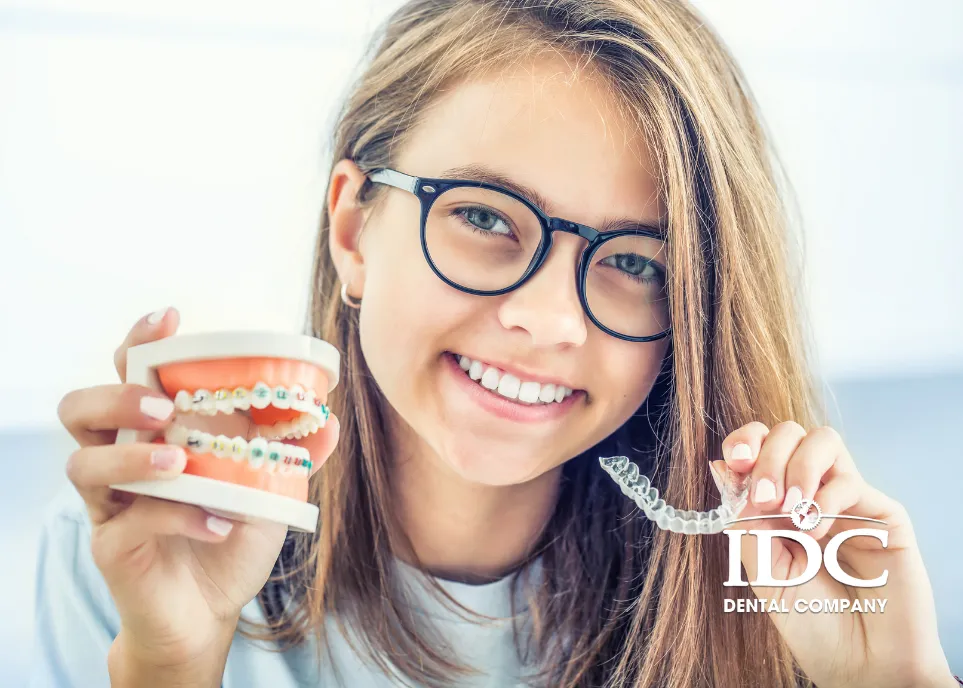
What Is Invisalign First for Kids?
Invisalign First is a specialized orthodontic treatment designed specifically for children aged 6 to 10 who are in the early stages of dental development—also known as the mixed dentition phase (when baby teeth and permanent teeth coexist).
Unlike traditional braces that use metal brackets and wires, Invisalign First uses a series of custom-made clear aligners to gently guide teeth into their ideal positions.
How It Works
- A digital 3D scan of your child’s teeth is taken
- A customized treatment plan is created
- A series of clear aligners is fabricated
- Each aligner is worn for 1–2 weeks before switching to the next
The aligners apply controlled force over time, gradually correcting alignment issues.
Why Early Orthodontic Treatment Matters
Many parents assume orthodontic treatment should begin in the teenage years. However, early intervention—also known as Phase 1 orthodontics—can prevent more serious problems later.
Key Benefits of Early Treatment
- Guides jaw growth properly
- Creates space for incoming permanent teeth
- Reduces the risk of tooth extraction in the future
- Corrects harmful habits (thumb sucking, tongue thrusting)
Common Dental Problems in Children
- Crowded teeth
- Gaps between teeth
- Crossbite
- Overbite or underbite
If left untreated, these issues can worsen over time, leading to more complex and costly treatments in adulthood.
Benefits of Invisalign First for Children
Invisalign First is not just a cosmetic solution—it’s designed with children’s comfort and lifestyle in mind.
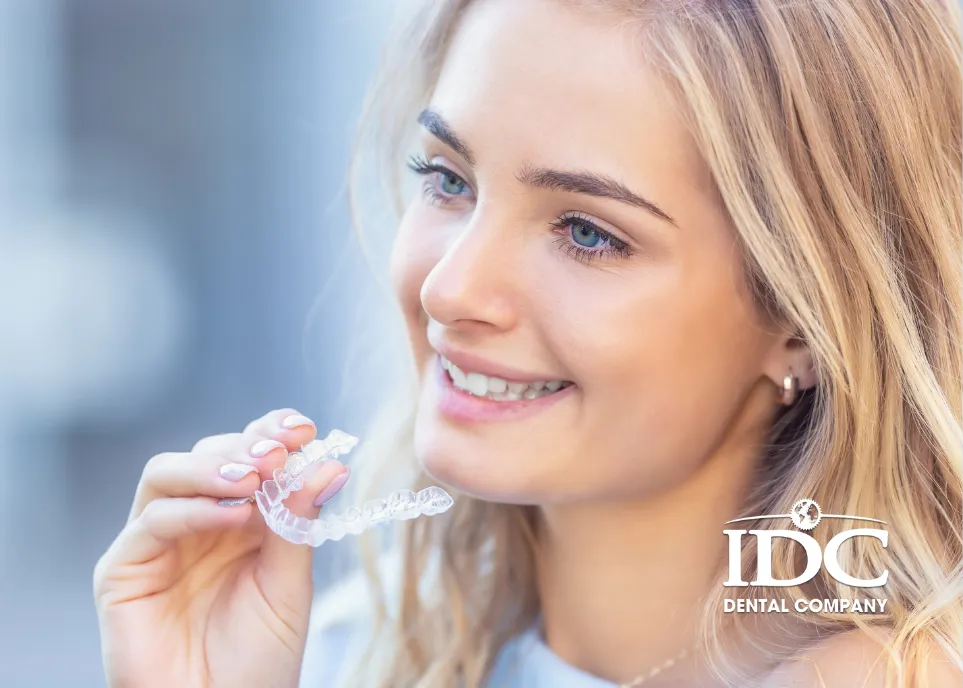
1. Nearly Invisible Appearance
Children often feel self-conscious wearing metal braces. Invisalign aligners are clear and discreet, helping kids smile confidently throughout treatment.
2. Comfortable and Gentle
No metal wires or brackets means:
- Less irritation to gums and cheeks
- Reduced pain during adjustments
3. Removable Convenience
Aligners can be removed for:
- Eating
- Brushing and flossing
- Special occasions
This makes daily life much easier compared to fixed braces.
4. Better Oral Hygiene
Since aligners are removable, children can maintain proper oral hygiene without navigating around wires.
5. Fewer Dental Visits
Invisalign requires fewer in-clinic adjustments, which is ideal for busy families or international patients.
6. Predictable Results with Digital Planning
Advanced 3D technology allows parents to preview the final results before treatment even begins.
Invisalign First vs Traditional Braces for Kids
Choosing between Invisalign and braces depends on several factors.
Appearance
- Invisalign: Clear and nearly invisible
- Braces: Highly noticeable
Comfort
- Invisalign: Smooth plastic aligners
- Braces: Metal components may cause irritation
Effectiveness
- Invisalign: Ideal for mild to moderate cases
- Braces: Better for severe or complex issues
Maintenance
- Invisalign: Easy cleaning
- Braces: Requires special tools and care
Cost
- Invisalign is often slightly higher in price but offers added convenience and aesthetics
Which Is Better?
For many children, Invisalign First offers a balanced combination of comfort, aesthetics, and effectiveness—making it a preferred choice for early treatment.
Who Is a Good Candidate for Invisalign First?
Not every child is suitable for Invisalign, but many are.
Ideal Candidates
- Children aged 6–10
- Mild to moderate alignment issues
- Mixed dentition stage
- Responsible enough to wear aligners 20–22 hours/day
Not Ideal For
- Severe bite problems
- Children who may frequently lose aligners
- Poor compliance with wearing schedules
A professional orthodontic evaluation is essential to determine suitability.
The Invisalign First Treatment Process
Understanding the process helps parents feel more confident about the journey.
Step 1: Consultation
A dentist evaluates your child’s teeth and bite.
Step 2: Digital Scan
No messy impressions—just a quick, comfortable 3D scan.
Step 3: Treatment Planning
A personalized plan is created using advanced software.
Step 4: Aligners Delivery
Custom aligners are fabricated and fitted.
Step 5: Monitoring Progress
Regular check-ups ensure everything stays on track.
How long does Invisalign First take?
Treatment duration varies depending on the complexity of the case.
Average Timeline
- Typically 6 to 12 months for Phase 1
Factors That Affect Duration
- Severity of the issue
- Consistency in wearing aligners
- Growth and development of the child
Key Rule
Aligners must be worn 20–22 hours per day for optimal results.
Cost of Invisalign First for Kids
Cost is an important factor for parents—especially those considering treatment abroad.
Average Cost
- Australia/US: $3,000 – $6,000
- Vietnam: Significantly lower (often 50–70% savings)
What Affects the Price
- Case complexity
- Clinic reputation
- Technology used
Is It Worth It?
Considering the comfort, aesthetics, and long-term benefits, many parents find Invisalign First to be a worthwhile investment.
Potential Drawbacks and Limitations
While Invisalign First has many advantages, it’s not perfect.
Challenges
- Requires discipline to wear consistently
- Aligners can be lost or misplaced
- Not suitable for severe orthodontic issues
Adjustment Period
Some children may experience mild discomfort or speech changes initially, but this typically resolves quickly.
Tips for Parents: Helping Kids Succeed with Invisalign
Your support plays a critical role in your child’s success.
Helpful Tips
- Set reminders for wearing aligners
- Create a routine for cleaning
- Encourage responsibility
- Reward consistency
Building good habits early ensures better results.
Invisalign First Results: What to Expect
Parents often notice improvements within just a few months.
Visible Changes
- Straighter teeth
- Improved bite alignment
Functional Benefits
- Better chewing
- Improved speech development
Long-Term Impact
Early correction reduces the need for complex treatments later in life.
Why Choose Invisalign First in Vietnam?
Vietnam has become a leading destination for dental tourism, especially for patients from countries like Australia.
Key Advantages
- Affordable pricing
- Highly skilled dentists
- Modern clinics with advanced technology
Patients can combine treatment with a relaxing vacation—making it both cost-effective and enjoyable.
Choosing the Right Dental Clinic for Your Child
Not all clinics are the same. Choosing the right provider is essential.
What to Look For
- Certified Invisalign provider
- Experienced orthodontists
- Advanced digital equipment
- Positive patient reviews
A reputable clinic ensures safety, comfort, and excellent results.
FAQs About Invisalign First for Kids
Is Invisalign safe for children?
Yes, it is clinically proven and widely used worldwide.
What if my child loses an aligner?
Contact your dentist immediately—replacement options are available.
Can kids eat with aligners?
No, aligners should be removed before eating.
Does Invisalign hurt?
Mild pressure is normal, but it’s generally less painful than braces.
 WhatsApp