Professional tartar removal in Da Nang is an essential dental treatment for maintaining healthy teeth and gums. While daily brushing and flossing help remove plaque, they cannot eliminate hardened tartar once it forms. If left untreated, tartar can lead to bad breath, gum disease, tooth decay, and even tooth loss.
At IDC Dental, we provide gentle, professional tartar removal using modern technology to keep your smile clean, healthy, and comfortable.
What Is Tartar?
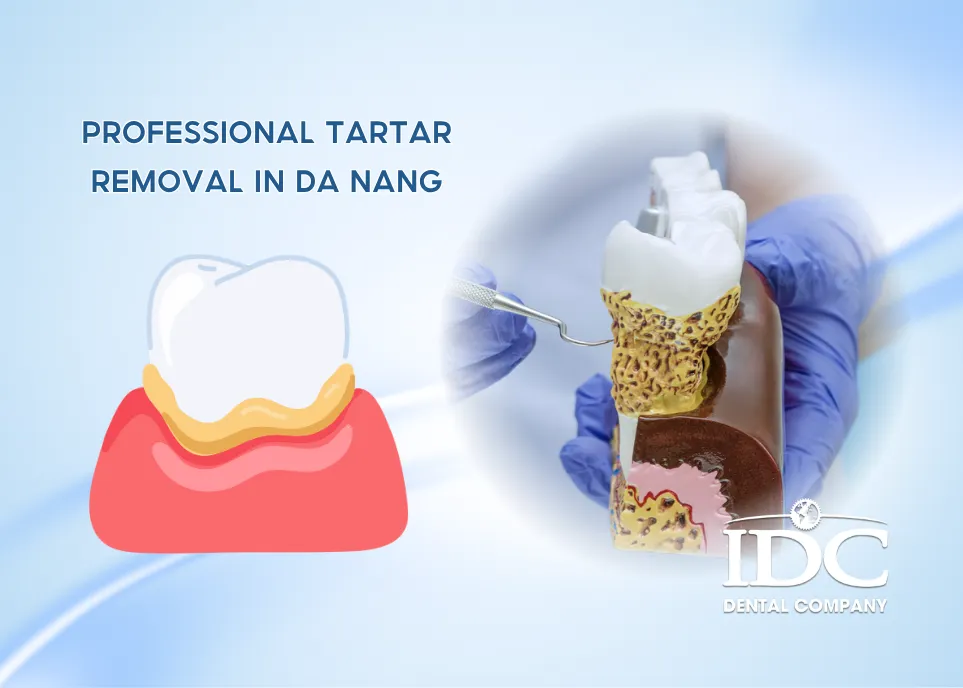
Tartar is hardened dental plaque that sticks firmly to the surface of the teeth. Plaque is a soft, sticky film of bacteria that forms naturally after eating and drinking. If plaque is not removed through proper brushing and flossing, minerals from saliva can cause it to harden into tartar.
Tartar often appears as yellow, brown, or dark deposits on the teeth, especially near the gumline. It commonly builds up behind the lower front teeth, between teeth, and around areas that are difficult to clean.
Unlike soft plaque, tartar is very hard and attached tightly to the tooth surface, which means it requires professional dental instruments to remove safely.
If tartar is left untreated, it can irritate the gums and create an environment where harmful bacteria grow. Over time, this may lead to gingivitis, periodontal disease, gum recession, tooth decay, and even loose teeth.
Why Professional Tartar Removal Is Important
Professional tartar removal is not only about making your teeth look cleaner. It plays a major role in protecting your oral health. When tartar remains on the teeth, it can cause gum inflammation. You may notice bleeding when brushing, swollen gums, bad breath, or sensitivity near the gumline.
Removing tartar helps reduce bacteria around the teeth and gums. This allows the gums to heal and lowers the risk of gum disease. Regular teeth cleaning also helps prevent cavities because plaque and tartar can trap bacteria that produce acids and damage tooth enamel.
For many patients, professional dental scaling also improves daily comfort. After tartar is removed, the teeth often feel smoother, cleaner, and easier to brush. Bad breath may improve, and the gums may feel less irritated.
Signs You May Need Tartar Removal
Many people do not notice tartar buildup until it becomes visible or starts causing symptoms. Some common signs that you may need professional tartar removal include yellow or brown deposits on your teeth, bleeding gums, swollen gums, persistent bad breath, rough tooth surfaces, gum recession, or sensitivity when eating and drinking.
If your gums bleed when you brush or floss, it may be an early sign of gum inflammation. This does not mean you should stop cleaning your teeth. Instead, it is a sign that you should visit a dentist for a proper examination and professional cleaning.
Even if you do not have pain, tartar may still be present. Dental problems often develop silently in the early stages, which is why regular check-ups and cleanings are important.
What Happens During Professional Tartar Removal?
During a professional tartar removal appointment, the dentist first checks your teeth and gums to understand your oral condition. If there is heavy tartar buildup, gum disease, or other dental concerns, the dentist may recommend a more detailed examination.
The main step is dental scaling. At IDC Dental, ultrasonic scaling technology may be used to gently break down tartar deposits with vibration and water spray. This helps remove tartar from the tooth surface and along the gumline. For stubborn areas, hand instruments may also be used to clean carefully and precisely.
After scaling, the teeth are usually polished to remove surface stains and make the tooth surface smoother. Polishing helps your teeth feel cleaner and may reduce the chance of plaque sticking quickly again. In some cases, fluoride treatment may be recommended to help strengthen enamel and reduce sensitivity.
Does Tartar Removal Hurt?
For most patients, tartar removal is not painful. You may feel vibration, water spray, or mild pressure during the cleaning process. If your gums are inflamed or if there is heavy tartar buildup under the gumline, you may feel some sensitivity or discomfort.
Patients with sensitive teeth or gum disease may need extra care. The dentist can adjust the technique, work more gently, or use local anesthesia if necessary. The goal is always to clean the teeth effectively while keeping the patient as comfortable as possible.
After tartar removal, mild tooth sensitivity or gum tenderness can happen for a short time. This usually improves within a few days. Brushing gently with a soft toothbrush and avoiding very hot, cold, or spicy foods for a short period can help.
How Long Does Tartar Removal Take?
The time needed for tartar removal depends on how much buildup you have. A routine cleaning with mild tartar may take about 30 to 45 minutes. If there is moderate or heavy tartar, the appointment may take longer. Patients with gum disease may need deep cleaning or several appointments to fully clean the teeth and gums.
For travelers visiting Da Nang, professional tartar removal is usually a convenient same-day dental treatment. It does not require a long recovery time, so patients can return to normal activities quickly after the appointment.
Benefits of Professional Tartar Remove
Professional tartar removal offers many benefits for both oral health and appearance. It helps keep the gums healthier, reduces bacteria, improves breath freshness, and lowers the risk of cavities and gum disease.
Clean teeth are also easier to maintain at home. When tartar is removed, brushing and flossing become more effective because there are fewer hard deposits blocking the tooth surface and gumline.
Another benefit is early detection. During a cleaning appointment, the dentist can identify problems such as cavities, gum inflammation, worn fillings, cracked teeth, or other concerns before they become more serious. This can help patients save time, money, and discomfort in the future.
How Often Should You Remove Tartar?
For most people, professional teeth cleaning is recommended every six months. However, some patients may need tartar removal more often, depending on their oral health condition.
Patients who smoke, have diabetes, wear braces, have dental implants, or have a history of gum disease may need cleaning every three to four months. People who easily develop tartar may also benefit from more frequent dental visits.
The best schedule depends on your individual condition. A dentist can recommend the right cleaning frequency after checking your teeth and gums.
How to Prevent Tartar Buildup
Although professional cleaning is necessary to remove tartar, good daily habits can help slow down tartar formation. Brush your teeth at least twice a day using fluoride toothpaste. Use a soft-bristled toothbrush and clean along the gumline carefully.
Flossing once a day is also important because a toothbrush cannot fully clean between the teeth. If flossing is difficult, interdental brushes or a water flosser may be helpful.
You should also reduce sugary snacks and drinks, drink enough water, and avoid smoking. Regular dental check-ups are essential because tartar can still form even with good home care.
Why Choose IDC Dental for Tartar Removal in Da Nang?
IDC Dental provides professional tartar removal in Da Nang with a focus on safety, comfort, and long-term oral health. The clinic uses modern dental equipment and gentle techniques to clean teeth effectively while protecting the gums and enamel.
For international patients, IDC Dental offers a friendly and convenient experience with an English-speaking team, clear consultation, transparent pricing, and a comfortable clinic environment. Whether you are living in Da Nang or visiting the city for travel, you can receive professional dental cleaning without a complicated process.
IDC Dental also follows strict sterilization standards to ensure patient safety. Each treatment is performed carefully, with attention to hygiene, comfort, and individual needs.
Is Tartar Removal Suitable for International Patients?
Yes. Tartar removal is one of the most common and convenient dental treatments for international patients in Da Nang. It is quick, affordable, and does not require long recovery time. Many travelers choose to have a dental check-up and teeth cleaning during their trip because it is simple and beneficial for long-term oral health.
Da Nang is also a popular destination for dental tourism because it offers high-quality dental care at more affordable prices compared with many Western countries. Patients can combine dental treatment with a relaxing trip, making it easier to take care of their smile while enjoying the city.
Frequently Asked Questions
Can tartar be removed at home?
No. Once plaque hardens into tartar, it cannot be removed safely with a toothbrush, floss, or home tools. Trying to scrape tartar at home may damage your gums or enamel. Professional dental scaling is the safest way to remove tartar.
Does tartar removal whiten teeth?
Tartar removal can make your teeth look cleaner and brighter by removing deposits and surface stains. However, it is not the same as professional teeth whitening. If you want a noticeably whiter smile, you may consider whitening treatment after cleaning.
Can tartar come back after cleaning?
Yes. Tartar can form again if plaque is not removed regularly. Good brushing, flossing, and regular dental visits can help reduce buildup.
Can I eat after tartar removal?
In most cases, you can eat after the appointment. However, if your teeth or gums feel sensitive, it is better to avoid very hot, cold, spicy, or hard foods for a short time.
Is tartar removal safe for sensitive teeth?
Yes. Professional tartar removal is generally safe for sensitive teeth. The dentist can adjust the treatment technique to make the process more comfortable.
 WhatsApp