
Care for porcelain crowns is essential if you want to keep your smile healthy, natural-looking, and long-lasting. While porcelain crowns are known for their strength, durability, and lifelike appearance, they still require proper daily maintenance to protect both the restoration and the natural tooth underneath.
Good oral hygiene, healthy eating habits, and regular dental checkups can help prevent problems such as gum disease, tooth decay around the crown, and unnecessary damage.
By following the right care routine, porcelain crowns can remain functional, comfortable, and beautiful for many years, making them a worthwhile investment in your oral health and confidence.
What are porcelain crowns?
Understanding Porcelain Crowns
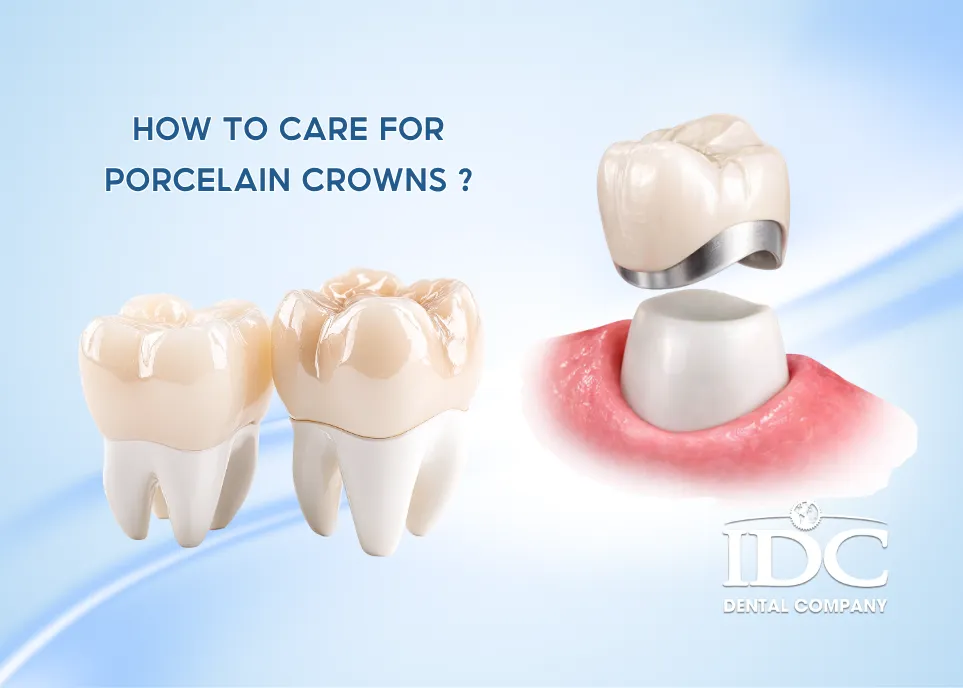
A porcelain crown is a custom-made restoration that completely covers the visible portion of a damaged tooth. It functions as a protective cap, restoring the tooth’s strength, shape, size, and appearance.
Dentists commonly recommend porcelain crowns for teeth that are cracked, broken, severely decayed, worn down, or have undergone root canal treatment.
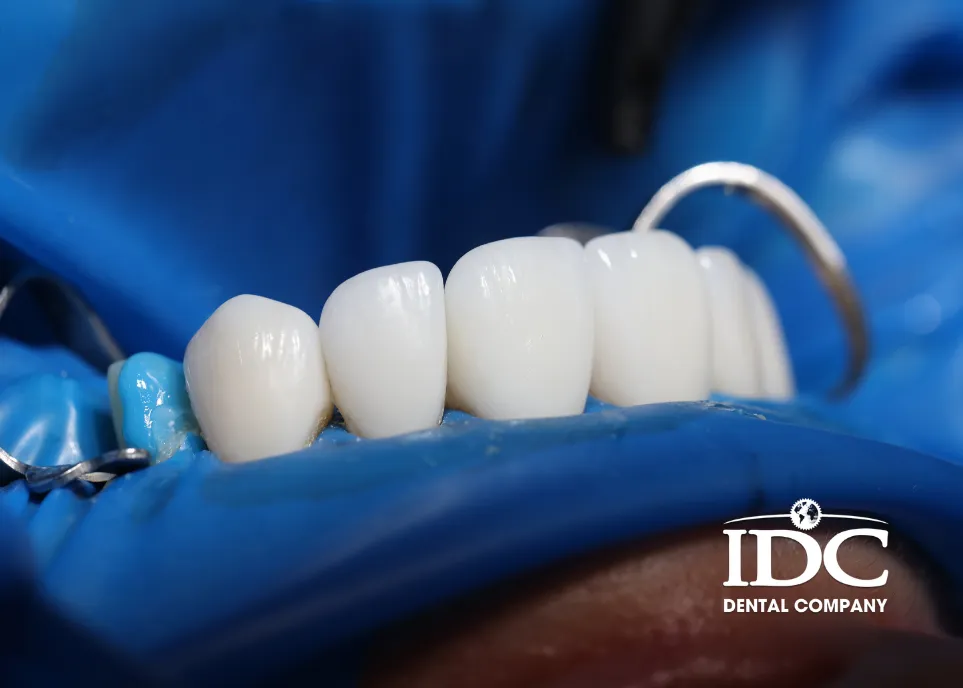
Unlike traditional metal crowns, porcelain crowns closely resemble natural tooth enamel in both color and translucency, making them one of the most popular options in modern cosmetic and restorative dentistry.
Benefits of Porcelain Crowns
Porcelain crowns offer numerous advantages that make them an excellent long-term restoration:
- Natural appearance that blends seamlessly with surrounding teeth.
- Excellent strength for normal chewing and biting.
- Highly resistant to staining.
- Biocompatible with gum tissues.
- Suitable for both front and back teeth.
- Long-lasting with proper maintenance.
How Long Do Porcelain Crowns Last?
On average, porcelain crowns last between 10 and 15 years, although many patients enjoy them for 20 years or longer.
Their longevity depends on factors such as oral hygiene, bite force, dietary habits, the quality of the dental materials, and the precision of the crown placement.
Why proper care is important for porcelain crowns
Extend the Lifespan of Your Crown
Although porcelain is extremely durable, excessive pressure, poor oral hygiene, and neglect can shorten its lifespan. Proper maintenance protects your investment and helps delay replacement.
Protect the Supporting Tooth
The porcelain crown itself cannot develop cavities, but the natural tooth underneath remains vulnerable. Bacteria can accumulate around the crown margin, causing decay beneath the restoration if not cleaned properly.
Prevent Gum Disease
Healthy gums are essential for keeping porcelain crowns stable and attractive. Plaque accumulation around the gumline may cause inflammation, bleeding, recession, and eventually compromise the crown’s fit.
Maintain a Beautiful Smile
Even though porcelain resists staining, the surrounding natural teeth can discolor over time. Good oral care helps keep your smile evenly bright and aesthetically pleasing.
Daily oral care for porcelain crowns
Brush Twice a Day with a Soft-Bristled Toothbrush
Brush your teeth every morning and before bedtime using a soft-bristled toothbrush. Gentle brushing removes plaque without damaging your gums or scratching the crown’s polished surface.
Pay special attention to the area where the crown meets the gumline, as this is where bacteria most commonly accumulate.
Use a Non-Abrasive Toothpaste
Not all toothpaste is suitable for porcelain crowns. Highly abrasive whitening toothpaste can gradually dull the polished finish of ceramic restorations.
Choose a fluoride toothpaste specifically designed for daily use. Fluoride protects the natural tooth beneath the crown while helping prevent decay around the margins.
Floss Carefully Around the Crown
Flossing is just as important as brushing. It removes plaque and food debris from areas your toothbrush cannot reach.
Use gentle movements to clean both sides of the crown without snapping the floss into the gums. Water flossers or interdental brushes can also be excellent alternatives for patients with crowns or bridges.
Keep the Gumline Clean
The gumline deserves extra attention because it forms the seal between the crown and the natural tooth. Daily brushing and flossing around this area help prevent gum disease and maintain a secure crown fit.
Foods and habits to avoid
Avoid Biting Hard Objects
Porcelain crowns are strong but not indestructible. Avoid chewing on:
- Ice
- Hard candy
- Pens
- Fingernails
- Bottle caps
- Nut shells
Using your teeth as tools can chip or fracture the porcelain.
Limit Sticky Foods
Sticky foods such as caramel, chewing gum, and toffee can place unnecessary stress on older crowns and potentially loosen them.
Reduce Sugary Foods and Drinks
Sugar feeds bacteria that cause decay around the edges of crowns. Limiting sugary snacks and beverages protects both your crowns and your natural teeth.
Minimize Staining Foods and Beverages
Although porcelain resists stains, consuming large amounts of coffee, tea, red wine, cola, curry, and tobacco products may discolor surrounding natural teeth, creating uneven color over time.
Protect your porcelain crowns from damage
Wear a Night Guard If You Grind Your Teeth
Teeth grinding (bruxism) places tremendous pressure on porcelain crowns.
If you clench or grind your teeth while sleeping, ask your dentist about a custom-made night guard. It cushions your bite and significantly reduces the risk of crown fractures.
Use a Sports Mouthguard
If you participate in contact sports such as basketball, football, martial arts, or hockey, wear a properly fitted sports mouthguard to protect your crowns from accidental trauma.
Treat Bite Problems Early
An uneven bite may concentrate excessive pressure on one crown, increasing the likelihood of cracks or loosening. Regular dental examinations help identify bite issues before they become serious.
Signs your porcelain crown needs attention
Loose Crown
A crown should never move. If it feels loose while chewing or flossing, contact your dentist promptly.
Pain or Sensitivity
Persistent pain, temperature sensitivity, or discomfort around the crowned tooth may indicate decay, infection, or problems beneath the restoration.
Chipped or Cracked Porcelain
Even small chips should be evaluated because they may become larger over time and affect both function and appearance.
Swollen or Bleeding Gums
Red, swollen, or bleeding gums around a crown often indicate plaque accumulation or gum disease that requires professional treatment.
Persistent Bad Breath
Bad breath localized around one crowned tooth may signal trapped bacteria, decay beneath the crown, or gum infection.
Bite Feels Different
If your bite suddenly changes or chewing becomes uncomfortable, your crown may have shifted or worn down.
Professional maintenance
Schedule Regular Dental Checkups
Visit your dentist every six months for a professional examination. Routine appointments allow early detection of problems before they become major complications.
Professional Dental Cleanings
Even excellent home care cannot completely remove hardened tartar. Professional cleanings help maintain healthy gums and preserve the longevity of porcelain crowns.
Digital Evaluation
Modern dental clinics may use digital X-rays, intraoral scanners, or CBCT imaging to assess the health of the crowned tooth and surrounding bone when necessary.
Common mistakes that shorten the lifespan of porcelain crowns
Skipping Daily Oral Hygiene
Neglecting brushing and flossing allows plaque to accumulate around crown margins, increasing the risk of decay and gum disease.
Ignoring Minor Problems
A slight chip or occasional sensitivity may seem harmless but can develop into more serious issues if left untreated.
Using Abrasive Whitening Products
Strong whitening toothpaste or DIY whitening methods can damage the polished surface of porcelain and create uneven color between crowns and natural teeth.
Smoking
Smoking increases staining, slows healing, irritates gum tissue, and contributes to periodontal disease, all of which negatively affect the longevity of dental restorations.
Can porcelain crowns become stained?
Are Porcelain Crowns Stain-Resistant?
Yes. High-quality porcelain is much more resistant to stains than natural enamel. However, no restoration is completely immune to discoloration.
Why Natural Teeth Change Color
Your natural teeth continue to absorb pigments from coffee, tea, wine, tobacco, and aging, while porcelain generally maintains its original shade. This can create a noticeable color difference over time.
How to Keep Your Smile Bright
Maintain excellent oral hygiene, reduce staining foods and drinks, avoid smoking, and schedule professional cleanings regularly to keep both your crowns and natural teeth looking their best.
How long can well-cared-for porcelain crowns last?
With proper care, many porcelain crowns last well beyond 15 years.
Several factors influence longevity, including:
- Daily oral hygiene
- Quality of the crown material
- Dentist’s expertise
- Bite alignment
- Diet
- Teeth grinding habits
- Regular professional maintenance
Eventually, crowns may require replacement due to normal wear, gum recession, or changes in the supporting tooth. Regular examinations help determine the appropriate timing for replacement.
Why choose IDC Danang Dental for Porcelain Crowns?
Experienced Cosmetic Dentists
Our experienced dentists carefully evaluate your oral health, bite, and smile to create porcelain crowns that look natural and function comfortably.
Premium Porcelain Materials
We use high-quality porcelain materials that offer excellent durability, lifelike translucency, and long-lasting aesthetics while blending seamlessly with your natural teeth.
Advanced Digital Dentistry
IDC Danang Dental utilizes modern technologies such as CBCT imaging, intraoral scanners, and CAD/CAM systems to ensure precise diagnosis, accurate crown design, and an excellent fit.
Natural-Looking Results
Every porcelain crown is customized to match the color, shape, size, and contour of your surrounding teeth, creating a beautiful and harmonious smile.
Comfortable and Precise Treatment
Digital workflows help reduce discomfort, improve accuracy, and minimize treatment time while delivering predictable, long-lasting results.
Personalized Treatment Plans
Each patient receives a customized treatment plan based on their oral health, aesthetic goals, functional needs, and budget.
Strict Sterilization Standards
Your safety is our priority. We follow strict infection control and sterilization protocols to provide a clean, safe, and comfortable treatment environment.
Transparent Pricing
We provide detailed treatment recommendations and clear pricing before treatment begins, ensuring you understand every step of your care.
Comprehensive Aftercare
Our team provides personalized aftercare instructions and regular follow-up recommendations to help your porcelain crowns remain durable, functional, and beautiful for years to come.
Trusted by International Patients
Patients from the United States, Canada, Australia, Europe, and many other countries choose IDC Da Nang Dental for high-quality porcelain crowns, advanced technology, and exceptional patient care while visiting Vietnam.


 WhatsApp