
Many people don’t realize they need root canal therapy until the pain becomes difficult to ignore. An infection inside the tooth can develop gradually, often causing symptoms such as persistent toothaches, sensitivity to hot and cold, swollen gums, or discomfort when chewing. If left untreated, the infection can spread and compromise the health of the tooth.
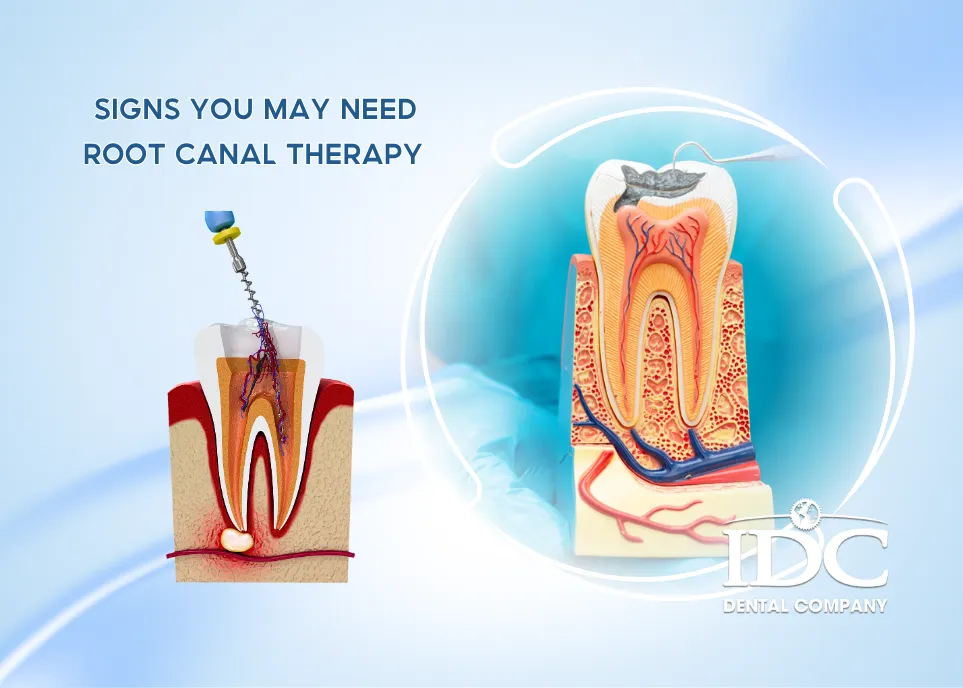
Understanding the early signs of root canal therapy can help you seek treatment at the right time, relieve pain, and save your natural tooth before more serious complications occur.
What Is Root Canal Therapy?
Root canal therapy is a dental procedure used to remove infected or damaged pulp from inside a tooth. The pulp contains nerves, blood vessels, and connective tissue that help the tooth develop during its early stages.
When bacteria enter the pulp due to deep decay, cracks, trauma, or repeated dental procedures, the tissue can become infected. If left untreated, the infection may spread to surrounding tissues, causing severe pain and potentially leading to tooth loss.
The goal of root canal therapy is to eliminate infection, relieve discomfort, and preserve the natural tooth whenever possible.
Why Might You Need Root Canal Therapy?
Several conditions can damage the pulp and lead to infection.
Deep Tooth Decay
Untreated cavities can gradually penetrate deeper layers of the tooth until bacteria reach the pulp chamber.
Cracked or Fractured Teeth
A crack may allow bacteria to enter the tooth and infect the inner tissues.
Dental Trauma
A blow to the mouth can damage the pulp even if no visible crack is present.
Repeated Dental Procedures
Multiple restorations on the same tooth may irritate or weaken the pulp over time.
Severe Gum Disease
Advanced periodontal disease can sometimes contribute to infection around the tooth roots.
Common Signs You May Need Root Canal Therapy
Persistent Tooth Pain
One of the most common symptoms is continuous tooth pain.
The discomfort may range from mild to severe and can occur while eating, talking, or even resting. Unlike temporary sensitivity, the pain often persists for days or weeks.
Pain that wakes you up at night or interferes with daily activities should never be ignored.
Sensitivity to Hot and Cold
Occasional sensitivity is common, but prolonged sensitivity may indicate pulp damage.
If you experience pain that lingers for several seconds or minutes after consuming hot coffee, tea, ice cream, or cold beverages, the nerve inside the tooth may be inflamed or infected.
This lingering sensitivity is often one of the earliest warning signs.
Pain When Chewing or Biting
A healthy tooth should not hurt when pressure is applied.
If you feel discomfort when biting down on food or chewing, it may indicate inflammation around the root tip. This symptom often occurs when infection has spread beyond the pulp chamber.
The pain may become more noticeable when eating hard foods.
Swollen or Tender Gums
Gum swelling around a specific tooth can signal infection.
The affected area may appear red, puffy, or tender to the touch. In some cases, the swelling comes and goes, making it easy to overlook.
However, recurring gum inflammation should always be evaluated by a dental professional.
Tooth Discoloration
An infected or damaged pulp can cause a tooth to darken over time.
The tooth may appear gray, brown, or darker than neighboring teeth. This discoloration often results from reduced blood flow inside the tooth following trauma or infection.
While tooth discoloration can have multiple causes, sudden changes in color should be examined by a dentist.
A Pimple on the Gum
A small bump resembling a pimple on the gum is often a sign of a dental abscess.
This bump may release pus or fluid and can sometimes reduce pressure temporarily. However, the underlying infection remains active and requires professional treatment.
A gum boil is one of the clearest indicators that root canal therapy may be necessary.
Persistent Bad Breath
Infections inside the tooth can create unpleasant odors and tastes.
If bad breath persists despite brushing, flossing, and maintaining good oral hygiene, bacteria from an infected tooth may be contributing to the problem.
Some patients also notice a foul taste in their mouth.
Loose Tooth
As infection spreads and damages surrounding bone structures, the tooth may begin to feel loose.
This symptom is particularly concerning because it may indicate significant progression of the infection.
Prompt treatment can help preserve the tooth and surrounding bone.
Symptoms of a Dental Abscess
A dental abscess is a serious infection that requires immediate attention.
Common symptoms include:
Severe Throbbing Pain
The pain may radiate to the jaw, ear, neck, or surrounding teeth.
Facial Swelling
Swelling in the cheek, jaw, or face often indicates an advanced infection.
Fever
A fever may develop as the body attempts to fight the infection.
Swollen Lymph Nodes
Tender lymph nodes under the jaw or neck can occur when infection spreads.
Difficulty Swallowing or Opening the Mouth
These symptoms may indicate a more severe infection and require urgent care.
Conditions That Can Mimic Root Canal Symptoms
Not every toothache requires root canal therapy.
Several conditions can produce similar symptoms.
Gum Disease
Inflamed gums may cause discomfort and sensitivity.
Cracked Tooth Syndrome
Small cracks can create pain during chewing without pulp infection.
Sinus Infections
Upper molar pain may sometimes be related to sinus pressure.
Tooth Grinding
Bruxism can cause tooth sensitivity and jaw discomfort.
Worn Enamel
Exposed dentin may lead to temperature sensitivity.
A thorough dental examination is necessary to determine the true cause of symptoms.
How Dentists Diagnose the Need for Root Canal Therapy
Diagnosis involves more than simply identifying pain.
Clinical Examination
The dentist evaluates the tooth, gums, and surrounding tissues.
Digital X-Rays
Dental X-rays help reveal infection around the root tip and identify hidden decay.
Pulp Vitality Testing
Special tests determine whether the nerve inside the tooth is still healthy.
Bite Tests
These tests help identify cracks and areas of inflammation.
CBCT Imaging
Advanced 3D imaging may be used for complex cases.
Together, these diagnostic tools allow dentists to develop an accurate treatment plan.
What Happens If You Delay Treatment?
Ignoring symptoms can lead to serious consequences.
Increased Pain
Infections rarely resolve on their own and often worsen over time.
Formation of an Abscess
Untreated infections may develop into painful abscesses.
Bone Loss
Chronic infection can destroy bone supporting the tooth.
Spread of Infection
In severe cases, infection can spread to nearby tissues and other parts of the body.
Tooth Loss
Eventually, the tooth may become unsalvageable and require extraction.
Early treatment significantly improves outcomes and reduces complications.
What Happens During Root Canal Therapy?
Many patients feel anxious when they hear the term “root canal.” However, modern root canal therapy is generally comfortable and highly effective.
The procedure typically involves:
- Local anesthesia to numb the area.
- Creating a small opening in the tooth.
- Removing infected pulp tissue.
- Cleaning and disinfecting the root canals.
- Filling and sealing the canals.
- Restoring the tooth with a filling or crown.
Most patients report that the procedure feels similar to receiving a dental filling.
Does Root Canal Therapy Hurt?
One of the biggest misconceptions is that root canal therapy is painful.
In reality, modern anesthesia and advanced dental techniques make the procedure comfortable for most patients.
The infection itself is usually far more painful than the treatment.
After the procedure, mild soreness may occur for a few days, but this can often be managed with over-the-counter pain medication.
Benefits of Root Canal Therapy
Preserves Your Natural Tooth
Saving the natural tooth is generally preferable to extraction.
Eliminates Infection
The procedure removes bacteria and infected tissue.
Relieves Pain
Most patients experience significant relief after treatment.
Restores Function
The tooth can continue functioning normally for many years.
Protects Surrounding Teeth
Maintaining the natural tooth helps preserve alignment and bite stability.
When Should You See a Dentist?
You should schedule a dental evaluation if you experience:
- Persistent tooth pain
- Sensitivity to hot or cold that lingers
- Swollen or tender gums
- Tooth discoloration
- Pain while chewing
- A pimple-like bump on the gums
- Facial swelling
- Unexplained bad breath
Early diagnosis often means simpler treatment and a higher likelihood of saving the tooth.



 WhatsApp