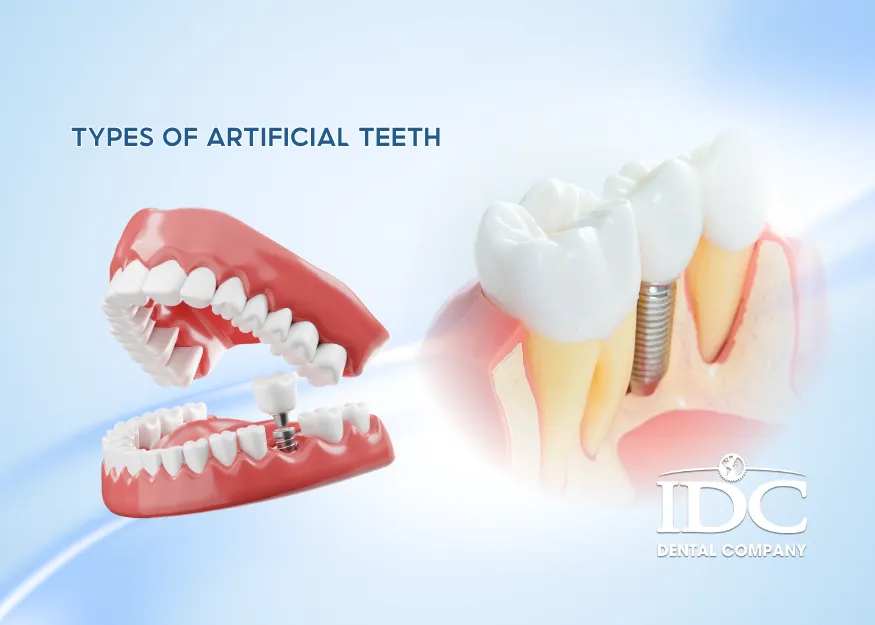
Types of artificial teeth vary depending on your oral condition, budget, and treatment goals. Today, modern dentistry offers several effective solutions to replace missing teeth, including removable dentures, dental bridges, and dental implants.
Each option has its own advantages and disadvantages in terms of appearance, durability, comfort, and cost. So, how many types of artificial teeth are there? Which one is the best choice for you? In this article, we’ll compare the most common tooth replacement options and help you choose the right treatment in Da Nang.
Why Is Replacing Missing Teeth Important?
Missing teeth affect much more than your smile. The longer you wait, the greater the impact on your oral health and quality of life.
Restore Chewing Function
Teeth play an essential role in chewing food properly. Missing teeth may lead to:
- Difficulty biting or chewing.
- Avoiding hard or fibrous foods.
- Digestive issues due to poorly chewed food.
Replacing missing teeth helps restore normal chewing ability and allows you to enjoy your favorite foods again.
Maintain Facial Structure
Teeth support your facial muscles and jawbone. When a tooth is lost, the underlying bone gradually shrinks due to lack of stimulation.
This can result in:
- Sunken cheeks.
- Premature aging.
- Wrinkles around the mouth.
- Changes in facial appearance.
Replacing missing teeth early helps preserve your natural facial shape.
Prevent Teeth Shifting
When there is an empty space in your mouth, neighboring teeth tend to move toward that gap.
This may cause:
- Crooked teeth.
- Bite problems.
- Increased risk of cavities and gum disease.
Replacing missing teeth helps maintain proper tooth alignment.
Improve Confidence
A complete smile can significantly boost self-esteem.
Many people with missing teeth feel embarrassed when:
- Smiling.
- Talking.
- Taking photos.
- Meeting other people.
Artificial teeth help restore confidence and improve quality of life.
How Many Types of Artificial Teeth Are There?
There are three main types of tooth replacement options available today:
- Removable Dentures.
- Dental Bridges.
- Dental Implants.
Each treatment has different advantages, disadvantages, costs, and indications.
Let’s take a closer look at each option.
Removable Dentures
Removable dentures are one of the oldest and most affordable ways to replace missing teeth.
As the name suggests, these dentures can be removed from the mouth for cleaning and maintenance.
Types of Removable Dentures
There are two main types:
Partial Dentures
Partial dentures are used when several natural teeth remain.
They consist of:
- Artificial teeth.
- A pink acrylic base.
- Metal or flexible clasps attached to neighboring teeth.
Full Dentures
Full dentures are designed for people who have lost all teeth in either the upper or lower jaw.
They rest directly on the gums and rely on suction or adhesive to stay in place.
Advantages of Removable Dentures
Some benefits include:
- Affordable cost.
- Non-surgical treatment.
- Quick fabrication.
- Suitable for elderly patients.
- Easy to repair or replace.
Disadvantages of Removable Dentures
Despite their affordability, removable dentures have several drawbacks:
- Less stable while eating.
- Can slip or move.
- Require daily removal and cleaning.
- May cause sore spots.
- Do not prevent jawbone loss.
Who Should Choose Removable Dentures?
This option is suitable for:
- Elderly patients.
- Patients with limited budgets.
- Those who prefer non-invasive treatment.
- Patients who are not suitable for implants.
Dental Bridges
A dental bridge is a fixed restoration used to replace one or more missing teeth.
Unlike removable dentures, dental bridges stay permanently in the mouth and cannot be removed by the patient.
How Does a Dental Bridge Work?
A bridge consists of:
- Artificial teeth called pontics.
- Dental crowns placed on the neighboring teeth.
The adjacent teeth are prepared and act as anchors to support the bridge.
Advantages of Dental Bridges
Dental bridges offer several benefits:
- Natural appearance.
- Fixed and stable.
- Better chewing ability than dentures.
- Faster treatment than implants.
- Comfortable and convenient.
Disadvantages of Dental Bridges
However, dental bridges also have limitations:
- Healthy adjacent teeth need to be shaved.
- Does not prevent bone loss.
- Lifespan is shorter than implants.
- Difficult to clean underneath the bridge.
Who Is a Good Candidate?
Dental bridges may be suitable if:
- You are missing one or several teeth.
- Adjacent teeth are healthy.
- You prefer a fixed solution.
- You do not want surgery.
Dental Implants
Dental implants are considered the most advanced and long-lasting tooth replacement solution available today.
They closely mimic the structure and function of natural teeth.
What Is a Dental Implant?
A dental implant is a titanium post surgically inserted into the jawbone.
It acts as an artificial tooth root and supports:
- A single crown.
- A dental bridge.
- A full arch restoration.
Components of a Dental Implant
A complete implant restoration consists of:
Implant Fixture
- Titanium post inserted into the jawbone.
- Serves as an artificial root.
Abutment
- Connector between the implant and the crown.
Dental Crown
- The visible part of the tooth.
- Designed to look like a natural tooth.
Advantages of Dental Implants
Natural Appearance
Dental implants are designed to blend naturally with your smile.
They:
- Match surrounding teeth.
- Have a natural shape and color.
- Look almost identical to real teeth.
Excellent Chewing Function
Dental implants are firmly anchored in the jawbone.
This provides:
- Strong biting force.
- Comfortable chewing.
- No slipping or movement.
Most patients can enjoy their favorite foods without restrictions.
Prevent Jawbone Loss
This is one of the biggest advantages of implants.
Unlike dentures and bridges, implants stimulate the jawbone similarly to natural tooth roots.
Benefits include:
- Preserving bone density.
- Maintaining facial structure.
- Preventing premature aging.
Long-Term Durability
With proper care, dental implants can last:
- 15 to 20 years.
- Or even a lifetime.
This makes implants a worthwhile long-term investment.
Disadvantages of Dental Implants
Despite many advantages, implants also have some limitations:
- Higher initial cost.
- Require minor surgery.
- Longer treatment time.
- Additional procedures may be necessary in some cases.
However, many patients believe the long-term benefits outweigh these disadvantages.
Comparison Between Dentures, Bridges, and Implants
When comparing all three options, dental implants generally provide the best long-term results.
Appearance
- Dentures: Fair.
- Bridges: Good.
- Implants: Excellent.
Stability
- Dentures: Can move or slip.
- Bridges: Stable.
- Implants: Extremely stable.
Bone Preservation
- Dentures: No.
- Bridges: No.
- Implants: Yes.
Lifespan
- Dentures: 5–7 years.
- Bridges: 7–15 years.
- Implants: 15–20 years or longer.
Cost
- Dentures: Lowest.
- Bridges: Moderate.
- Implants: Highest initial investment.
Which Tooth Replacement Option Is Best?
There is no single answer that fits everyone.
The best option depends on:
- Number of missing teeth.
- Jawbone condition.
- Oral health.
- Budget.
- Personal expectations.
Choose Removable Dentures If:
- You have a limited budget.
- You prefer a non-surgical option.
- You need to replace multiple missing teeth quickly.
Choose Dental Bridges If:
- You are missing one or two teeth.
- Adjacent teeth are healthy.
- You prefer a fixed restoration.
Choose Dental Implants If:
- You want the most natural result.
- You want a long-lasting solution.
- You want to preserve your jawbone.
- You expect maximum comfort and chewing ability.
For many patients today, dental implants are considered the gold standard in tooth replacement.
Why Choose Tooth Replacement in Da Nang?
Da Nang has become one of Vietnam’s leading destinations for dental care and dental tourism.
Experienced Dentists
Many clinics in Da Nang offer:
- Highly trained dentists.
- Extensive experience in implant dentistry.
- International standards of care.
Modern Technology
Advanced technologies include:
- Digital X-rays.
- 3D CT scanning.
- CAD/CAM technology.
- Digital smile design.
These technologies improve accuracy and treatment outcomes.
Affordable Costs
Compared to many countries, dental treatment in Da Nang offers:
- High-quality services.
- Competitive pricing.
- Excellent value for money.
Combine Treatment With Travel
Da Nang is famous for:
- Beautiful beaches.
- Delicious local cuisine.
- Friendly people.
- World-class resorts.
Many international patients combine dental treatment with a relaxing vacation.
Frequently Asked Questions
Which artificial tooth lasts the longest?
Dental implants are currently the most durable tooth replacement solution and can last decades with proper care.
Are dental implants painful?
Most patients experience minimal discomfort because the procedure is performed under local anesthesia.
Can elderly patients get dental implants?
Yes. Age itself is not a limitation. Overall health and bone quality are more important factors.
Is Da Nang a good place for dental treatment?
Absolutely. Da Nang offers experienced dentists, advanced technology, affordable prices, and a comfortable environment for both local and international patients.

 WhatsApp