
A Dental Bridge is a popular tooth replacement solution that can restore your smile, improve chewing ability, and prevent neighboring teeth from shifting after tooth loss. While dental bridges have been used successfully for many years, many patients still wonder whether they are the best option for replacing missing teeth.
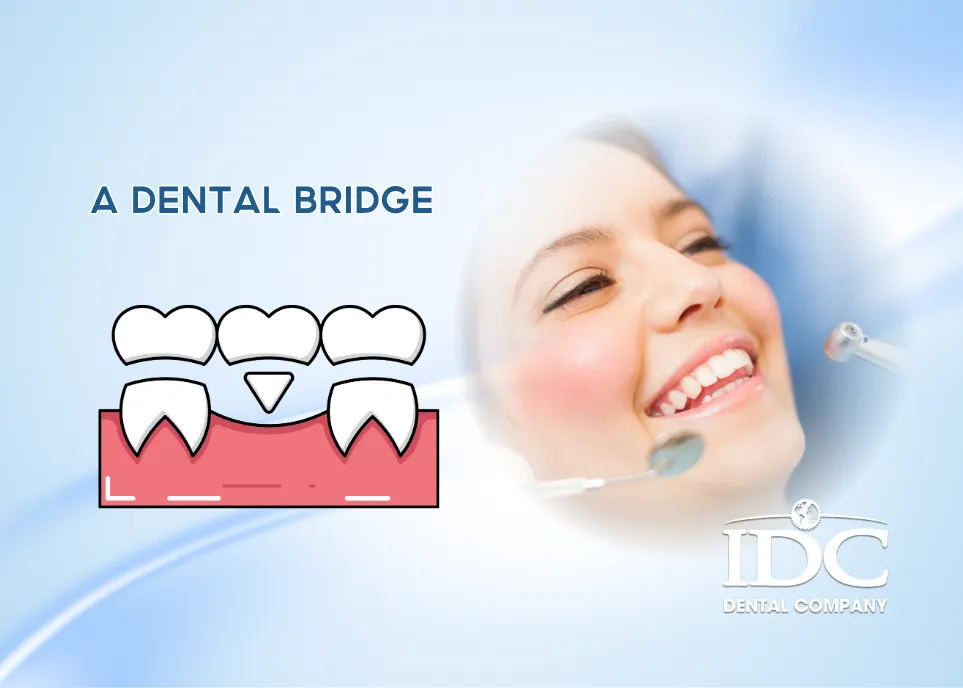
In this article, we’ll discuss the benefits, limitations, procedure, and key considerations to help you decide if a dental bridge is the right treatment for your needs
What Is a Dental Bridge?
A dental bridge is a fixed dental restoration designed to replace one or more missing teeth. As the name suggests, it literally “bridges” the gap left by missing teeth using artificial teeth that are anchored to neighboring natural teeth or dental implants.
A traditional dental bridge typically consists of:
- One or more artificial teeth called pontics
- Dental crowns placed on the teeth adjacent to the gap
- Supporting structures that hold the bridge securely in place
Once installed, a dental bridge restores both the appearance and function of missing teeth while helping maintain proper bite alignment.
Unlike removable dentures, dental bridges remain fixed in the mouth and function much like natural teeth.
Types of Dental Bridges
Several types of dental bridges are available, depending on the patient’s needs and oral condition.
Traditional Dental Bridge
This is the most common type of dental bridge. It uses dental crowns placed on healthy teeth located on either side of the missing tooth.
Advantages include:
- Strong and durable
- Suitable for most cases
- Natural appearance
Cantilever Dental Bridge
A cantilever bridge is supported by only one adjacent tooth instead of two.
It may be recommended when only one natural tooth is available next to the gap, although it is generally less common than traditional bridges.
Maryland Dental Bridge
A Maryland bridge uses a metal or porcelain framework bonded to the back of adjacent teeth rather than dental crowns.
Benefits include:
- Less tooth preparation
- More conservative treatment
However, it may not be suitable for areas exposed to heavy chewing forces.
Implant-Supported Dental Bridge
Instead of relying on natural teeth for support, this type of bridge is anchored by dental implants.
Advantages include:
- Excellent stability
- Long-term durability
- Better preservation of jawbone health
Is a Dental Bridge a Good Option?
For many patients, the answer is yes.
A dental bridge can provide an effective and reliable solution for replacing missing teeth, particularly when dental implants are not suitable or when patients prefer a faster treatment option.
However, the suitability of a dental bridge depends on several factors, including oral health, budget, and long-term treatment goals.
Let’s take a closer look at its benefits and limitations.
Benefits of Dental Bridges
Restores Your Smile
One of the biggest advantages of a dental bridge is its ability to restore the appearance of missing teeth.
Modern bridges are designed to match the color, shape, and size of surrounding teeth, creating a natural-looking smile.
Improves Chewing Function
Missing teeth can make eating difficult and uncomfortable.
A dental bridge restores chewing efficiency, allowing patients to enjoy a wider variety of foods and maintain proper nutrition.
Improves Speech
Tooth loss can affect pronunciation and speech clarity.
Replacing missing teeth with a dental bridge can help improve speech patterns and confidence when speaking.
Prevents Teeth from Shifting
When a tooth is lost, neighboring teeth may gradually move into the empty space.
This can lead to:
- Bite problems
- Crowded teeth
- Increased difficulty cleaning teeth
A dental bridge helps maintain proper tooth alignment.
Restores Facial Appearance
Missing teeth can contribute to a sunken facial appearance over time.
By replacing missing teeth, a dental bridge helps support facial structures and maintain a more youthful appearance.
Faster Treatment Than Dental Implants
Unlike implants, which may require several months of healing, many dental bridges can be completed within a few weeks.
This makes them attractive for patients seeking a quicker solution.
More Affordable Than Implants
In many cases, dental bridges cost less than implant treatment, making them a more accessible option for some patients.
Potential Drawbacks of Dental Bridges
While dental bridges offer many benefits, they are not perfect.
Requires Alteration of Adjacent Teeth
Traditional bridges often require the dentist to reshape healthy neighboring teeth to support the bridge.
This irreversible process may not be ideal for every patient.
Does Not Prevent Bone Loss
Unlike dental implants, bridges do not replace tooth roots.
As a result, the jawbone beneath the missing tooth may gradually shrink over time.
Limited Lifespan
Although durable, dental bridges do not typically last as long as dental implants.
Most bridges last between 10 and 15 years with proper care, though some can last much longer.
Risk of Decay Around Supporting Teeth
If oral hygiene is inadequate, bacteria can accumulate around the bridge, increasing the risk of cavities and gum disease affecting the supporting teeth.
Who Is a Good Candidate for a Dental Bridge?
A dental bridge may be a suitable option for patients who:
- Are missing one or more teeth
- Have healthy teeth adjacent to the gap
- Want a fixed restoration
- Prefer a non-surgical solution
- Are not ideal candidates for dental implants
- Seek a more affordable treatment option
A comprehensive dental examination is necessary to determine eligibility.
Dental Bridge vs Dental Implant
One of the most common questions patients ask is whether a bridge or an implant is better.
Dental Bridge Advantages
- Faster treatment
- Lower initial cost
- No surgery required
- Effective for many cases
Dental Implant Advantages
- Preserves jawbone
- Does not affect neighboring teeth
- Longer lifespan
- Often considered the gold standard for tooth replacement
Which Option Is Better?
There is no universal answer.
A dental bridge may be ideal for patients seeking a faster and more affordable solution, while implants may be better for those looking for maximum longevity and bone preservation.
Your dentist can help determine the best choice based on your oral condition and goals.
How Long Does a Dental Bridge Last?
The average lifespan of a dental bridge ranges from 10 to 15 years.
However, many bridges can last 20 years or longer when properly maintained.
Several factors influence longevity:
- Oral hygiene habits
- Quality of dental work
- Type of bridge
- Materials used
- Regular dental visits
- Lifestyle habits such as smoking or teeth grinding
What Is the Dental Bridge Procedure Like?
Initial Consultation
The dentist will evaluate your oral health, take X-rays, and discuss treatment options.
Tooth Preparation
For traditional bridges, the adjacent teeth are reshaped to accommodate dental crowns.
Impressions
Dental impressions or digital scans are taken to create a custom bridge.
Temporary Bridge
A temporary restoration may be placed while the final bridge is fabricated.
Permanent Placement
Once completed, the permanent bridge is fitted, adjusted, and bonded into place.
The result is a functional and natural-looking restoration.
What Should You Know Before Getting a Dental Bridge?
Before proceeding with treatment, there are several important considerations.
Evaluate Supporting Teeth
The health and strength of neighboring teeth play a crucial role in the success of a bridge.
Understand Long-Term Maintenance
Although bridges are fixed restorations, they require consistent care and maintenance.
Consider Alternative Options
Depending on your situation, alternatives may include:
- Dental implants
- Partial dentures
- Full dentures
- Implant-supported bridges
Discussing all available options with your dentist is essential.
How to Care for a Dental Bridge
Proper maintenance can significantly extend the life of your bridge.
Brush Twice Daily
Use a soft-bristled toothbrush and fluoride toothpaste.
Clean Under the Bridge
Special floss threaders or water flossers can help remove plaque beneath the pontic.
Attend Regular Checkups
Professional cleanings and routine examinations help identify problems early.
Avoid Damaging Habits
Avoid:
- Chewing ice
- Biting hard objects
- Using teeth as tools
These habits can damage the bridge or supporting teeth.
Frequently Asked Questions
Is Getting a Dental Bridge Painful?
Most patients experience little to no discomfort during the procedure thanks to local anesthesia.
Can a Dental Bridge Replace Multiple Teeth?
Yes. Bridges can replace one or several missing teeth depending on the clinical situation.
Can a Dental Bridge Be Repaired?
Minor issues may be repairable, but severely damaged bridges often require replacement.
Can I Eat Normally with a Dental Bridge?
Yes. Once adjusted, most patients can comfortably return to their normal diet.

 WhatsApp