
Retainers after braces are an essential part of orthodontic treatment because they help keep your teeth in their new, corrected position. After months or years of wearing braces, many patients feel excited to finally see their straight smile.
However, removing braces does not mean the treatment is completely finished. Without proper retainer wear, teeth can gradually shift back toward their original position.
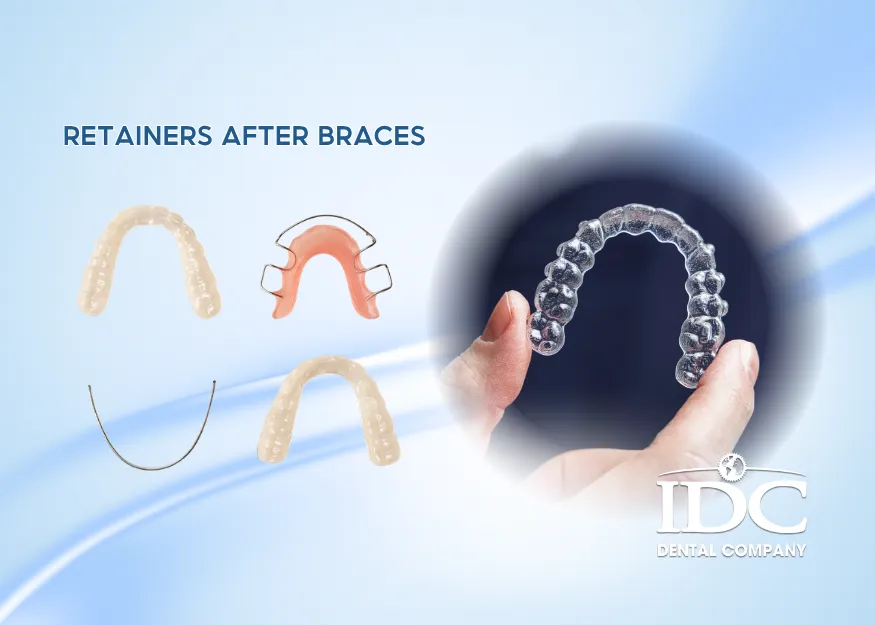
This final stage is called the retention phase. It is just as important as the active phase of braces because it protects your orthodontic results and helps maintain a healthy, beautiful smile for the long term.
What Are Retainers?
Retainers are custom-made orthodontic appliances designed to hold teeth in place after braces or clear aligner treatment. They are made based on the shape of your teeth after orthodontic treatment is completed.
The main purpose of retainers is to prevent teeth from moving back. Teeth are supported by gums, bone, and ligaments. After braces move the teeth into better alignment, these supporting tissues need time to stabilize. Retainers help maintain the new position while the mouth adapts.
Why Are Retainers Needed After Braces?
Braces work by applying gentle pressure to move teeth into proper alignment. Once the braces are removed, the teeth may still be unstable for a period of time. The bone and soft tissues around the teeth continue to remodel after treatment.
Because of this, teeth naturally have a tendency to shift. This movement is called orthodontic relapse. Retainers reduce this risk by holding the teeth in their corrected positions.
Wearing retainers after braces is important because it helps:
- Keep teeth straight
- Maintain bite alignment
- Prevent crowding or spacing
- Protect your orthodontic investment
- Reduce the need for future retreatment
Why do teeth shift after braces?
Teeth can shift after braces for several reasons. One of the main reasons is natural tooth movement. Even people who have never had braces may notice their teeth change slightly over time.
After orthodontic treatment, the periodontal ligaments around the teeth may still “remember” the previous tooth position. The jawbone also needs time to rebuild and harden around the new alignment.
Other factors may increase the risk of teeth shifting, including aging, teeth grinding, poor oral hygiene, gum disease, and not wearing retainers as instructed.
Many people believe wisdom teeth are the main cause of shifting after braces. In reality, tooth movement is usually caused by multiple factors, not wisdom teeth alone.
How long should you wear retainers after braces?
The exact retainer schedule may vary depending on your orthodontist’s recommendation, the complexity of your case, and how stable your teeth are after treatment.
However, most patients follow a general pattern.
The First 3 to 6 Months: Full-Time Wear
During the first few months after braces are removed, teeth are most likely to shift. This is why many orthodontists recommend wearing removable retainers full-time at the beginning.
Full-time wear usually means wearing the retainer day and night, removing it only for eating, brushing, flossing, and cleaning the retainer.
This early period is very important. If retainers are not worn consistently, teeth may start shifting quickly.
After 6 to 12 Months: Nighttime Wear
After the teeth become more stable, many patients can switch to nighttime wear. This means wearing retainers while sleeping.
Nighttime wear is easier to maintain and usually becomes part of a regular routine. Even if your teeth look straight, they can still move slowly over time. Wearing retainers at night helps prevent these small changes.
Long-Term Retention: Why Retainers May Be Needed for Life
Many orthodontists recommend wearing retainers long-term, often for life. This does not usually mean wearing them all day forever. In most cases, it means wearing them at night several times per week or as instructed by your orthodontist.
Teeth can continue to shift with age. Just like skin, bones, and muscles change over time, the mouth also changes. Long-term retainer wear helps keep your smile stable for many years.
A simple way to think about it is: braces move your teeth, but retainers keep them there.
Does Everyone Need Lifetime Retainers?
Most patients benefit from long-term retainer wear. However, the exact schedule can differ. Some people may need nightly wear for many years, while others may only need several nights per week after a stable period.
Patients with severe crowding, spacing, bite problems, or previous orthodontic relapse may need stricter retainer wear.
Your orthodontist will recommend the best schedule based on your case.
Types of Orthodontic Retainers
There are several types of retainers. Each has its own benefits and limitations.
Hawley Retainers
Hawley retainers are removable retainers made with an acrylic base and a metal wire that fits around the teeth. They are durable and adjustable.
Advantages of Hawley Retainers
Hawley retainers can last for several years with proper care. They can also be adjusted by an orthodontist if small changes are needed.
Disadvantages of Hawley Retainers
Because they have a visible metal wire, some patients may not like their appearance. They may also affect speech slightly at first.
Clear Plastic Retainers
Clear plastic retainers, sometimes called Essix retainers, are thin, transparent trays that fit over the teeth. They look similar to clear aligners.
Advantages of Clear Retainers
Clear retainers are nearly invisible, comfortable, and easy to wear. Many patients prefer them because of their discreet appearance.
Disadvantages of Clear Retainers
They may wear out faster than Hawley retainers. They can crack, become loose, or lose shape if exposed to heat.
Fixed Retainers
Fixed retainers, also called bonded retainers or permanent retainers, are thin wires attached to the back of the teeth. They are commonly used behind the lower front teeth.
Advantages of Fixed Retainers
A fixed retainer works continuously because it stays in place. Patients do not need to remember to wear it, making it helpful for those who may forget removable retainers.
Disadvantages of Fixed Retainers
Cleaning around a fixed retainer can be more difficult. Food and plaque may collect around the wire, so careful brushing and flossing are important. The wire can also break or become loose over time.
Fixed vs Removable Retainers
Both fixed and removable retainers can be effective. The best option depends on your orthodontic needs, habits, and lifestyle.
| Feature | Fixed Retainer | Removable Retainer |
|---|---|---|
| Appearance | Hidden behind teeth | Usually clear or slightly visible |
| Cleaning | More difficult | Easier |
| Compliance | Works continuously | Must be worn as instructed |
| Risk of loss | No | Yes |
| Maintenance | Requires careful flossing | Requires daily cleaning |
| Durability | Can last many years | May need replacement |
Some patients use both types. For example, an orthodontist may place a fixed retainer behind the lower front teeth and provide a removable retainer for nighttime use.
What Happens If You Stop Wearing Your Retainers?
If you stop wearing your retainers, your teeth may begin to shift. This can happen slowly or quickly depending on your case.
Common changes include:
- Front teeth crowding
- Spaces reopening
- Bite changes
- Teeth rotating
- Retainers feeling tight when worn again
In some cases, minor shifting can be corrected by wearing the retainer more consistently. However, if the teeth have moved too much, a new retainer may not fit, and orthodontic retreatment may be needed.
Signs Your Retainer No Longer Fits
You should contact your orthodontist if:
- Your retainer feels extremely tight
- It does not fully seat on your teeth
- You see visible tooth movement
- The retainer is cracked or warped
- A fixed retainer feels loose
- The wire has broken
Do not force a retainer into place if it does not fit properly. This may damage the retainer or put unhealthy pressure on the teeth.
How to Care for Your Retainers
Proper care helps your retainers last longer and keeps your mouth healthy.
Clean Your Retainer Daily
Removable retainers should be cleaned every day. Rinse them after removing them and brush them gently with a soft toothbrush. Avoid harsh toothpaste, as it may scratch clear retainers.
Store Retainers Properly
When not wearing your retainer, keep it in its case. Many retainers are lost because they are wrapped in tissue and accidentally thrown away.
Avoid Heat
Clear plastic retainers can warp when exposed to heat. Do not place them in hot water, direct sunlight, or near heat sources.
Keep Retainers Away From Pets
Pets, especially dogs, are often attracted to retainers. Always store your retainer safely in its case.
Maintain Good Oral Hygiene
Brush and floss daily before wearing retainers. Wearing a retainer over dirty teeth can trap bacteria and increase the risk of cavities or bad breath.
How Often Should Retainers Be Replaced?
Retainers do not last forever. Their lifespan depends on the type of retainer, material, and how well they are maintained.
Clear plastic retainers may need replacement more often because they can wear down, crack, or become loose. Hawley retainers may last longer if handled carefully. Fixed retainers can last many years but should be checked regularly to make sure they are still bonded properly.
You may need a replacement retainer if it becomes cracked, loose, warped, uncomfortable, or no longer fits correctly.
Can You Eat While Wearing Retainers?
Most removable retainers should be taken out before eating. Food can damage the retainer, stain it, or become trapped between the appliance and teeth.
You should also avoid drinking hot beverages while wearing clear retainers because heat can change their shape. Water is usually safe.
After eating, brush your teeth before putting the retainer back in.
What Should You Do If You Lose or Break Your Retainer?
If you lose or break your retainer, contact your orthodontist as soon as possible. Do not wait weeks or months, because teeth may start shifting.
Your orthodontist may need to take a new scan or impression to make a replacement retainer. If only minor damage occurs, repair may be possible depending on the retainer type.
Frequently Asked Questions
How Many Hours a Day Should I Wear My Retainer?
At first, many patients are instructed to wear retainers full-time. Later, they usually switch to nighttime wear. Your orthodontist will give you a specific schedule.
Can Teeth Move After Years Without Wearing Retainers?
Yes. Teeth can shift even years after braces. This is why long-term retainer wear is often recommended.
Can I Stop Wearing My Retainer After One Year?
You should not stop unless your orthodontist says it is safe. Many patients still need nighttime retainer wear after one year.
Do Retainers Hurt?
Retainers should not be painful. They may feel tight at first, especially after braces are removed. If pain continues or the retainer does not fit, contact your orthodontist.
Can I Sleep With Retainers?
Yes. Nighttime wear is one of the most common long-term retainer schedules.
How Do I Clean Clear Retainers?
Rinse them with cool water and gently brush them with a soft toothbrush. You can also use retainer cleaning tablets if recommended by your dentist or orthodontist.
Are Permanent Retainers Better Than Removable Retainers?
Not always. Permanent retainers are convenient because they stay in place, but they require careful cleaning. Removable retainers are easier to clean but only work if worn consistently.
Tips to Keep Your Teeth Straight for Life
To maintain your orthodontic results, follow your orthodontist’s instructions carefully. Wear your retainers consistently, keep them clean, and replace them when needed.
Regular dental checkups are also important. Your dentist or orthodontist can check whether your teeth remain stable and whether your retainer is still working properly.
Good oral hygiene, healthy gums, and consistent retainer wear are the key factors for keeping your smile straight.

 WhatsApp