
Ceramic Braces are a modern orthodontic solution for those who want straighter teeth without the noticeable look of metal braces. Made from tooth-colored or clear materials, they blend naturally with your teeth while still delivering effective results.
They are especially popular among adults and professionals who value both aesthetics and performance. In this guide, you’ll learn how ceramic braces work, their benefits, cost, and whether they’re the right choice for your smile.
What Are Ceramic Braces?
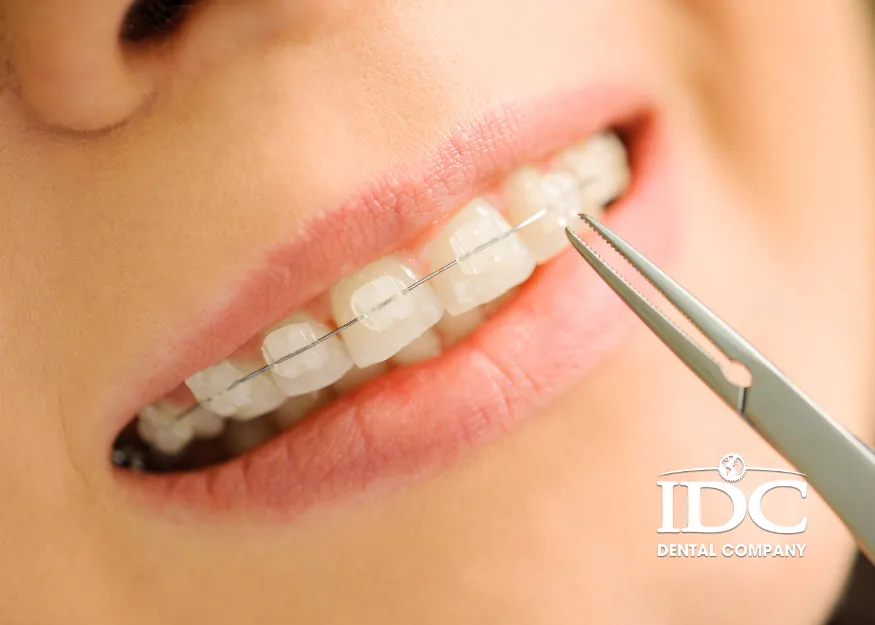
Ceramic braces are orthodontic devices similar to traditional metal braces, but they are made from clear or tooth-colored materials, typically high-quality ceramic or composite.
Structure of Ceramic Braces
Ceramic braces consist of:
- Ceramic brackets: Tooth-colored or transparent brackets bonded to each tooth
- Archwire: A metal or white-coated wire that connects the brackets
- Elastic ligatures: Clear or white bands that hold the wire in place
How Ceramic Braces Work
Ceramic braces work using the same principle as metal braces—applying consistent pressure to gradually move teeth into the desired position. Over time, the jawbone adapts through a natural process called bone remodeling, allowing teeth to shift safely.
Types of Ceramic Braces
- Traditional ceramic braces: Use elastic bands
- Self-ligating ceramic braces: Use built-in clips, reducing friction and potentially improving comfort.
Who Should Choose Ceramic Braces?
Ceramic braces are ideal for patients who want effective orthodontic treatment with minimal visual impact.
Ideal Candidates
- Adults and working professionals
- Individuals concerned about appearance during treatment
- Patients attending public-facing jobs or events
- Teenagers who prefer a more aesthetic option
Dental Conditions Treated
Ceramic braces can treat:
- Crooked or misaligned teeth
- Gaps between teeth
- Mild to moderate bite issues
- General alignment problems
👉 For very severe cases, metal braces may still be recommended.
Benefits of Ceramic Braces
1. Aesthetic and Discreet Appearance
The biggest advantage of ceramic braces is their ability to blend with natural teeth, making them far less noticeable than metal braces.
2. Boost Confidence During Treatment
Patients feel more comfortable smiling, speaking, and interacting socially while wearing ceramic braces.
3. Effective for Many Orthodontic Cases
Ceramic braces provide similar effectiveness to metal braces for most mild to moderate dental issues.
4. Advanced Material Technology
Modern ceramic materials are more durable and stain-resistant than older versions.
5. Suitable for Adults
Ceramic braces are particularly popular among adults who want orthodontic treatment without compromising their professional image.
Disadvantages of Ceramic Braces
While ceramic braces offer many benefits, they also have some limitations:
Higher Cost
They are typically more expensive than traditional metal braces.
More Fragile
Ceramic brackets can be slightly more prone to chipping compared to metal.
Staining Risk
Elastic ligatures may stain over time if exposed to coffee, tea, or smoking.
Slightly Longer Treatment Time
In some cases, treatment may take longer due to lower force tolerance.
Ceramic Braces vs Other Orthodontic Options
| Feature | Ceramic Braces | Metal Braces | Invisalign | Lingual Braces |
|---|---|---|---|---|
| Visibility | Low | High | Very Low | Invisible |
| Cost | Medium–High | Low | High | Very High |
| Effectiveness | Very Good | Excellent | Moderate | Excellent |
| Comfort | Moderate | Moderate | High | Low |
👉 Ceramic braces offer the best balance between aesthetics and effectiveness.
Step-by-Step Ceramic Braces Treatment Process
1. Initial Consultation & Diagnosis
- Oral examination
- X-rays and digital scans
- Customized treatment plan
2. Braces Placement
- Teeth cleaning
- Bonding ceramic brackets
- Attaching archwire
👉 Procedure takes around 1–2 hours.
3. Adjustment Appointments
- Regular visits every 4–6 weeks
- Gradual tightening to move teeth
4. Treatment Duration
- Average: 12–24 months
- Depends on case complexity
5. Braces Removal
- Brackets are safely removed
- Teeth are polished
6. Retention Phase
- Retainers are used to maintain results
How Much Do Ceramic Braces Cost?
Average Cost Worldwide
- USA: $4,000 – $8,000
- Australia: $5,000 – $9,500
- UK: £3,000 – £7,000
Cost in Vietnam (Dental Tourism Advantage)
Vietnam is becoming a popular destination for affordable orthodontic treatment.
- Ceramic braces in Vietnam: $1,200 – $3,000
- Savings up to 60–70% compared to Western countries
Factors Affecting Cost
- Severity of misalignment
- Clinic reputation
- Orthodontist experience
- Type of ceramic system used
Are Ceramic Braces Painful?
Like all orthodontic treatments, ceramic braces may cause mild discomfort.
When Pain Occurs
- After initial placement
- After adjustments
How to Reduce Discomfort
- Eat soft foods
- Use orthodontic wax
- Maintain good oral hygiene
👉 Discomfort usually fades within a few days.
How to Care for Ceramic Braces
Proper Oral Hygiene
- Brush after every meal
- Use interdental brushes
- Floss daily
Preventing Stains
- Avoid coffee, tea, and red wine
- Quit smoking
Foods to Avoid
- Hard foods (nuts, ice)
- Sticky foods (gum, caramel)
Maintenance Tips
- Follow the dentist instructions
- Attend regular check-ups
Common Issues & Solutions
- Stained elastics → Replace during visits
- Broken brackets → Visit the clinic immediately
- Loose wires → Use wax temporarily
- Mouth irritation → Apply orthodontic wax
How Long Do Ceramic Braces Take to Work?
Treatment timeline varies:
- Mild cases: 6–12 months
- Moderate cases: 12–18 months
- Complex cases: 18–24+ months
Factors Affecting Treatment Speed
- Age
- Severity of the condition
- Patient compliance
Are Ceramic Braces Worth It?
For many patients, ceramic braces are absolutely worth it.
They provide:
- Aesthetic improvement during treatment
- Long-term oral health benefits
- Enhanced confidence and smile
👉 Especially ideal for those who want discreet orthodontic treatment without sacrificing effectiveness.
Choosing the Right Dental Clinic for Ceramic Braces
When selecting a clinic, consider:
- Experienced orthodontists
- Advanced technology (3D scans, digital planning)
- Transparent pricing
- Positive reviews and case results
- English-speaking staff (important for international patients)
Conclusion: Are Ceramic Braces the Right Choice for You?
Ceramic braces are an excellent option for patients seeking a balance between aesthetics and performance. They offer a discreet alternative to metal braces while still delivering reliable orthodontic results.
If you are looking for a solution that allows you to straighten your teeth confidently—without drawing attention—ceramic braces may be the perfect choice.
=> The best way to determine if ceramic braces are right for you is to consult with a qualified orthodontist who can create a personalized treatment plan.
FAQ: Ceramic Braces
Are ceramic braces better than metal braces?
They are more aesthetic but slightly less durable.
Do ceramic braces stain easily?
Brackets resist stains, but elastic bands may discolor.
Are ceramic braces more expensive?
Yes, they cost more than metal braces but less than lingual braces.
Can adults wear ceramic braces?
Yes, they are especially popular among adults.
How visible are ceramic braces?
They are much less noticeable than metal braces.



 WhatsApp