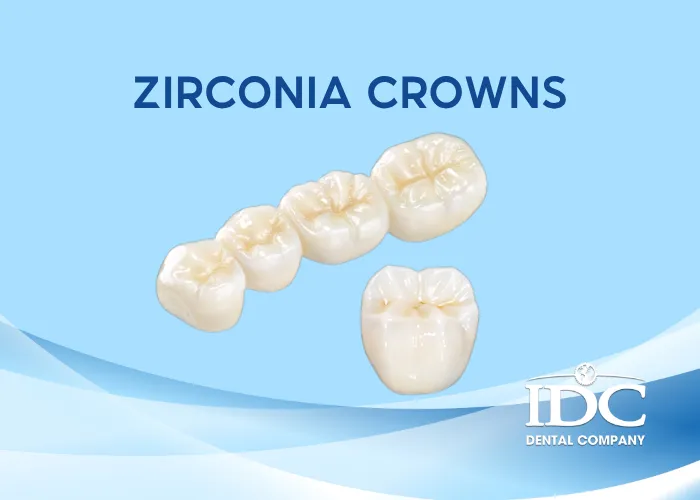
Zirconia Crowns are among the most durable and reliable solutions in modern dentistry, designed to restore both the strength and function of damaged teeth while maintaining a natural appearance. Thanks to their exceptional toughness and long-lasting performance, they have become a top choice for patients who need strong, dependable dental restorations.
But what exactly makes Zirconia Crowns stand out, and are they the right option for your specific dental needs? In this guide, we’ll take a closer look at their durability, key benefits, cost, and when they are the most suitable choice for your smile.
What Are Zirconia Crowns?
Zirconia crowns are dental restorations made from zirconium dioxide, a highly durable and biocompatible ceramic material. This advanced material is often referred to as “ceramic steel” due to its impressive strength and resistance to wear.
Unlike traditional crowns that may include metal components, zirconia crowns are completely metal-free, making them both safe and aesthetically pleasing.
Key Features of Zirconia Crowns:
- Extremely strong and fracture-resistant
- Tooth-colored for a natural appearance
- Highly biocompatible with gum tissue
- Suitable for both front and back teeth
With continuous advancements in dental technology, modern zirconia crowns now offer a balance between strength and improved aesthetics, making them a versatile option for many patients.
Types of Zirconia Crowns
There are several types of zirconia crowns, each designed for specific dental needs:
Monolithic Zirconia
- Made from solid zirconia
- Extremely strong and durable
- Ideal for molars and back teeth
Layered Zirconia
- Zirconia core with a porcelain layer on top
- Enhanced aesthetics
- Suitable for visible areas
High Translucent Zirconia
- Improved light transmission
- More natural appearance
- Often used for front teeth
Benefits of Zirconia Crowns
Zirconia crowns have become a popular choice because of their unique advantages:
1. Exceptional Strength & Durability
One of the biggest reasons patients choose zirconia crowns is their incredible strength.
- Resistant to cracking and chipping
- Can withstand heavy chewing forces
- Ideal for patients who grind their teeth
Compared to other materials, zirconia is one of the most durable dental crown options available today.
2. Long Lifespan
Zirconia crowns are designed to last for many years.
- Average lifespan: 15–20 years or more
- With proper care, they can last even longer
This makes them a cost-effective investment in the long run.
3. Biocompatibility & Safety
Zirconia is highly compatible with the human body.
- Gentle on gum tissues
- Low risk of allergic reactions
- No metal sensitivity issues
Patients with metal allergies often prefer zirconia crowns.
4. Natural Appearance
Although zirconia is known for its strength, modern versions also offer good aesthetics:
- Tooth-colored material
- Improved translucency
- Blends well with natural teeth
While not as translucent as E.max crowns, zirconia still provides a natural-looking smile.
5. Minimal Tooth Reduction
Zirconia crowns require less removal of natural tooth structure compared to some traditional crowns.
- Preserves more of your natural tooth
- Supports long-term dental health
How Durable Are Zirconia Crowns?
When it comes to durability, zirconia crowns are among the best.
Lifespan Expectations
- Typically, 15–20 years with proper care
Why Are They So Strong?
- High flexural strength
- Resistance to wear and fracture
- Advanced CAD/CAM manufacturing
Factors Affecting Durability
- Oral hygiene habits
- Teeth grinding (bruxism)
- Bite alignment
- Dentist’s expertise
=> For patients who need a long-lasting and strong solution, zirconia crowns are often the top recommendation.
When Should You Choose Zirconia Crowns?
Zirconia crowns are not only strong but also versatile. However, they are particularly suitable in certain cases.
Ideal Candidates
You may benefit from zirconia crowns if you:
- Have damaged or weakened teeth
- Need strong restorations for chewing
- Grind your teeth at night
- Want a long-term solution
Suitable Dental Conditions
Zirconia crowns are commonly used for:
- Molars and back teeth restorations
- Large cavities or broken teeth
- Dental bridges
- Teeth after root canal treatment
When Zirconia May Not Be Ideal
In some situations, zirconia may not be the best option:
- Patients seeking ultra-high aesthetics for front teeth
- Cases requiring maximum translucency
=> In such cases, E.max crowns may be a better choice.
Zirconia Crowns vs Other Types of Crowns
Zirconia vs E.max Crowns
- Zirconia: stronger, better for molars
- E.max: more aesthetic, ideal for front teeth
Zirconia vs Porcelain-Fused-to-Metal (PFM)
- Zirconia: metal-free, no dark gum line
- PFM: may show metal over time
Zirconia vs Traditional Porcelain
- Zirconia: more durable
- Porcelain: more fragile
The Procedure for Getting Zirconia Crowns
The process is simple and typically completed in a few visits:
Step 1: Consultation
- Dental examination
- X-rays or digital scans
Step 2: Tooth Preparation
- Shaping the tooth
- Removing damaged structure
Step 3: Digital Scanning
- High-precision CAD/CAM scanning
Step 4: Crown Fabrication
- Lab-made or same-day milling
Step 5: Final Placement
- The crown is fitted and cemented
- Bite adjusted for comfort
Cost of Zirconia Crowns
The cost varies depending on location and clinic quality.
Average Cost:
- USA / Australia: $900 – $2,500 per tooth
- Vietnam: $250 – $700 per tooth
=> This significant price difference is why many international patients choose dental tourism in Vietnam.
Factors Affecting Cost:
- Dentist experience
- Technology used
- Clinic reputation
- Number of crowns
Aftercare & Maintenance
Proper care is essential to extend the lifespan of zirconia crowns.
Daily Care Tips
- Brush twice a day
- Floss regularly
- Use fluoride toothpaste
Avoid:
- Biting hard objects
- Using teeth as tools
Regular Dental Visits
- Check-ups every 6 months
- Professional cleaning
Risks & Potential Drawbacks
Although zirconia crowns are highly reliable, there are a few considerations:
- Slightly less natural translucency than E.max
- Can cause wear on opposing teeth if not polished properly
- Higher cost than basic restorations
=> However, these issues are minimal when treatment is performed by an experienced dentist.
Frequently Asked Questions
How long do zirconia crowns last?
Typically 15–20 years or more with proper care.
Are zirconia crowns better than porcelain?
Yes, in terms of strength and durability.
Do zirconia crowns look natural?
Yes, especially newer high-translucent versions.
Can zirconia crowns break?
They are very strong but can crack under extreme pressure.



 WhatsApp