
Ceramic Crowns are one of the most effective solutions in modern dentistry for restoring both the function and appearance of damaged teeth. A healthy, complete smile is not only important for aesthetics but also plays a crucial role in maintaining overall oral health. However, many people are still unsure when treatments like dental crowns become necessary.
Understanding when ceramic crowns are recommended can help you make better decisions and prevent more serious dental problems in the future. Whether you are dealing with a weakened tooth, cosmetic concerns, or need protection after a dental procedure, ceramic crowns can offer a reliable and long-lasting solution.
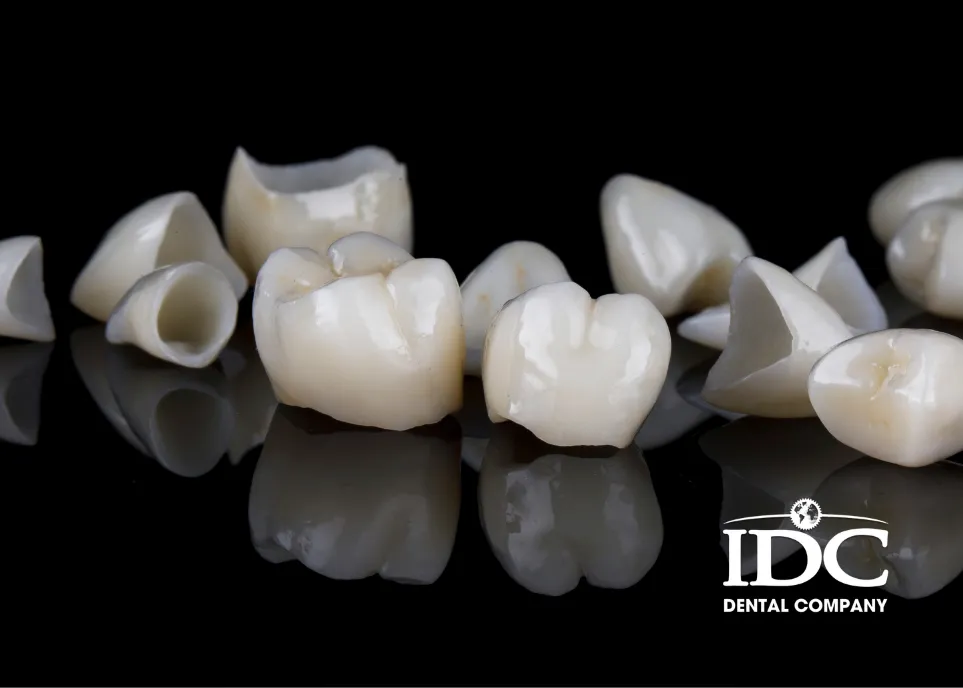
In this article, we will explore the situations where ceramic crowns are recommended, their key benefits, the treatment process, and why they have become a preferred choice in modern dentistry.
What Are Ceramic Crowns?
Definition of Ceramic Crowns
Ceramic crowns are custom-made caps designed to cover and protect damaged or weakened teeth. They are placed over the entire visible portion of a tooth to restore its shape, strength, and function.
Unlike traditional metal crowns, ceramic crowns are made entirely from tooth-colored materials, allowing them to blend seamlessly with your natural teeth.
Types of Ceramic Crowns
There are several types of ceramic crowns used in dentistry today:
- All-ceramic crowns: Known for their superior aesthetics
- E.max crowns: Made from lithium disilicate, offering both strength and beauty
- Zirconia crowns: Highly durable and suitable for back teeth
Each type is selected based on the patient’s needs, tooth location, and functional requirements.
Advantages of Ceramic Crowns
Ceramic crowns offer several key benefits:
- Natural appearance that matches surrounding teeth
- Metal-free, making them ideal for patients with allergies
- Strong and durable for long-term use
- Biocompatible with gum tissue
These advantages make ceramic crowns a preferred option for both restorative and cosmetic dentistry.
When Are Ceramic Crowns Recommended?
For Severely Damaged or Decayed Teeth
One of the most common situations where ceramic crowns are recommended is when a tooth is significantly damaged or decayed.
If a cavity is too large for a filling, a crown is needed to restore the tooth’s structure and prevent further damage. Ceramic crowns provide full coverage, protecting the tooth from fracture and restoring its functionality.
After Root Canal Treatment
Teeth that have undergone root canal treatment often become weaker and more brittle. Without proper protection, they are more likely to crack or break.
In such cases, ceramic crowns are recommended to:
- Strengthen the treated tooth
- Restore normal chewing function
- Prevent future complications
For Cracked or Broken Teeth
Cracks or fractures in teeth can worsen over time if left untreated. Ceramic crowns help stabilize the tooth and prevent the damage from spreading.
By covering the entire tooth, the crown redistributes biting forces and reduces the risk of further fractures.
To Improve Aesthetic Appearance
Ceramic crowns are widely used in cosmetic dentistry to enhance the appearance of teeth.
They are recommended for:
- Severely discolored teeth that do not respond to whitening
- Misshapen or uneven teeth
- Teeth with large visible restorations
Because of their natural look, ceramic crowns can dramatically improve your smile.
To Replace Large or Failing Fillings
Old or large fillings can weaken the structure of a tooth. Over time, they may crack, leak, or fail.
When this happens, a ceramic crown is often recommended to:
- Replace the damaged filling
- Provide full protection
- Extend the life of the tooth
For Dental Implants
Ceramic crowns are also used as the final restoration on dental implants. Once the implant is placed into the jawbone, a crown is attached to restore the visible part of the tooth.
This combination provides:
- A natural-looking result
- Strong and stable function
- Long-term durability
Ceramic Crowns vs Other Types of Crowns
Ceramic vs Metal Crowns
Metal crowns are extremely durable but lack aesthetic appeal. They are usually used for back teeth, where appearance is less important.
Ceramic crowns, on the other hand, offer a more natural look, making them ideal for visible areas.
Ceramic vs Porcelain-Fused-to-Metal (PFM)
PFM crowns combine metal strength with a porcelain exterior. However, over time, the metal base may become visible near the gum line.
Ceramic crowns eliminate this issue, providing a more seamless and aesthetic result.
Ceramic vs Zirconia Crowns
Zirconia crowns are technically a type of ceramic, but are known for their exceptional strength.
While zirconia is ideal for molars, other ceramic options like E.max are often preferred for front teeth due to their superior translucency.
Benefits of Choosing Ceramic Crowns
Highly Natural Appearance
Ceramic crowns mimic the color and translucency of natural teeth, making them almost indistinguishable.
Long-Lasting and Durable
With proper care, ceramic crowns can last 10–15 years or longer, providing a reliable long-term solution.
Safe and Biocompatible
Ceramic materials are well-tolerated by the body and do not cause allergic reactions, making them suitable for most patients.
Improved Confidence
Restoring damaged or unattractive teeth can significantly boost self-confidence and improve overall quality of life.
What Happens If You Delay Getting a Crown?
Delaying treatment can lead to serious consequences:
- Increased risk of tooth fracture
- Further decay and infection
- Potential tooth loss
- More complex and costly treatments
Acting early helps preserve the natural tooth and avoid unnecessary complications.
The Procedure for Getting Ceramic Crowns
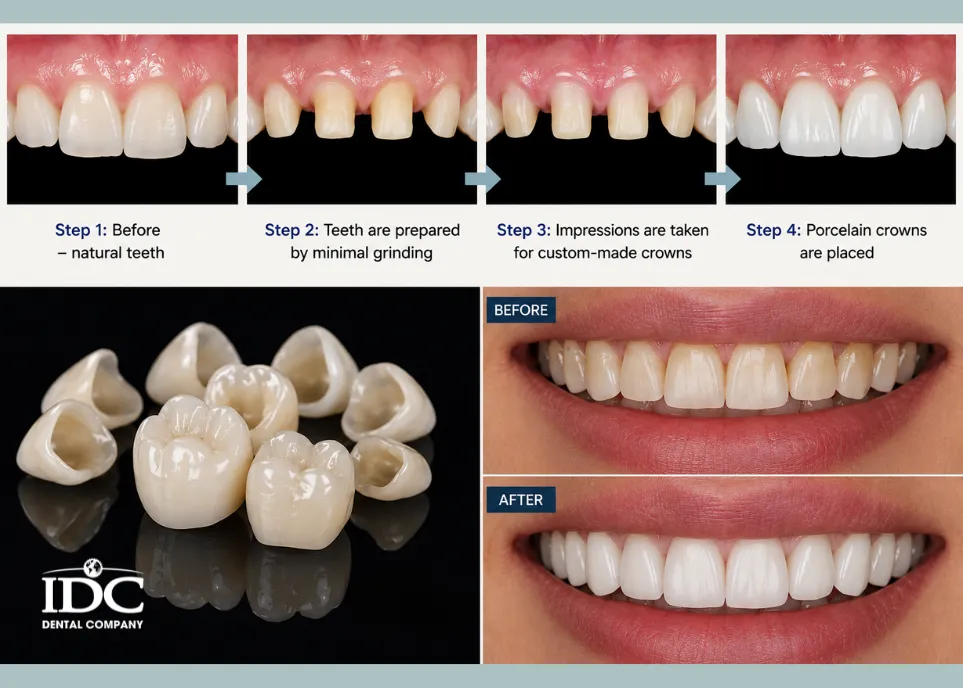
Initial Consultation and Diagnosis
Your dentist will examine your teeth, take X-rays, and determine if a crown is needed.
Tooth Preparation
The affected tooth is reshaped to make room for the crown.
Digital Scanning or Impression
A precise model of your tooth is created to ensure a perfect fit.
Crown Fabrication
The crown is custom-made in a dental lab using advanced technology.
Final Placement
The crown is securely bonded to the tooth, restoring its function and appearance.
Who Is a Good Candidate for Ceramic Crowns?
Ceramic crowns are suitable for:
- Patients with damaged or weakened teeth
- Individuals seeking cosmetic improvements
- Patients with metal sensitivities
- Those looking for a durable, natural-looking solution
Why Many Patients Choose Vietnam for Ceramic Crown Treatment
Affordable Costs
Compared to countries like Australia or the US, dental treatment in Vietnam is significantly more affordable.
Advanced Technology
Modern clinics use cutting-edge equipment such as CBCT imaging and CAD/CAM systems.
Experienced Dentists
Many dentists are highly trained and experienced in both restorative and cosmetic procedures.
Dental Tourism Experience
Patients can combine treatment with a relaxing vacation, enjoying Vietnam’s culture and scenery.
How to Choose the Right Dental Clinic
When selecting a clinic, consider:
- Dentist experience and qualifications
- Availability of modern technology
- Transparent pricing
- English-speaking staff for international patients
Frequently Asked Questions (FAQs)
How long do ceramic crowns last?
Typically, 10–15 years or longer with proper care.
Are ceramic crowns strong enough?
Yes, they are strong enough for most applications, including back teeth.
Do ceramic crowns look natural?
Yes, they are designed to match natural teeth perfectly.
Is the procedure painful?
No, it is performed under local anesthesia, ensuring comfort.




 WhatsApp