
Porcelain Dental Veneers are one of the most popular cosmetic dentistry treatments for creating a brighter and more balanced smile. Unlike teeth whitening, veneers can improve not only tooth color but also shape, spacing, and minor alignment issues.
While whitening works best for mild stains, porcelain dental veneers are often recommended for severe discoloration, chipped teeth, worn enamel, uneven shapes, or small gaps that whitening alone cannot fix.
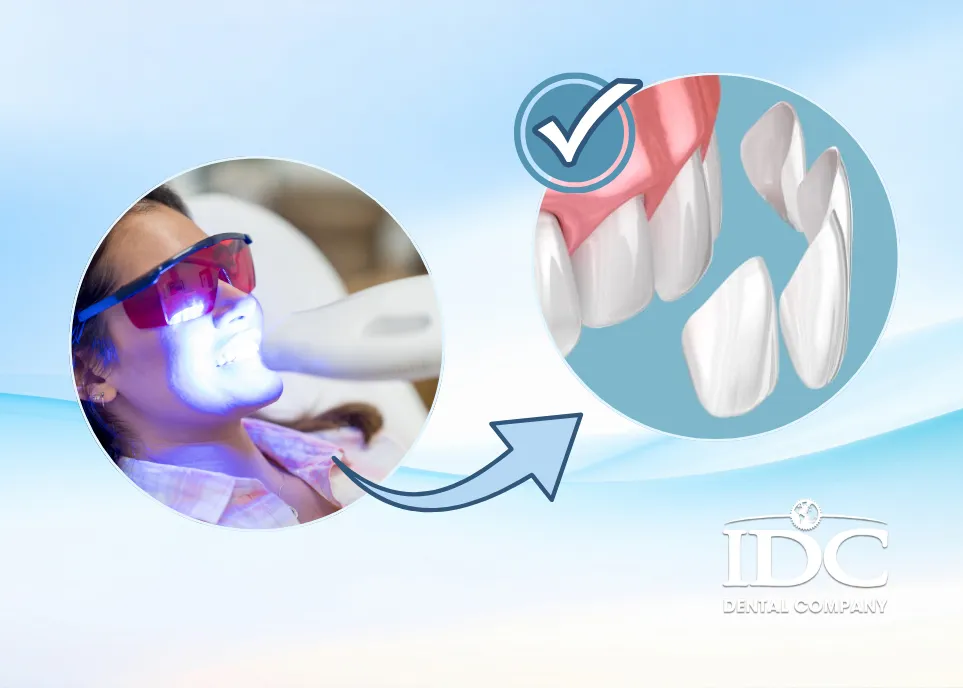
In this article, you will learn when porcelain dental veneers are a better option than whitening and how dentists determine the right treatment for your smile goals.
Understanding teeth whitening
Teeth whitening is a cosmetic procedure designed to lighten the natural color of teeth by removing stains and discoloration.
Professional whitening treatments commonly use bleaching agents such as:
- Hydrogen peroxide
- Carbamide peroxide
These ingredients penetrate the enamel and break down stain molecules within the tooth structure.
Whitening is effective for treating:
- Coffee stains
- Tea discoloration
- Wine stains
- Smoking stains
- Mild yellowing caused by aging
Professional whitening may be performed:
- In-office by a dentist
- With take-home whitening trays
- Through customized whitening systems
Teeth whitening is popular because it is:
- Non-invasive
- Conservative
- Relatively affordable
- Quick
- Effective for many mild-to-moderate stains
However, whitening has important limitations.
It cannot:
- Repair chipped teeth
- Change tooth shape
- Correct spacing problems
- Improve tooth alignment
- Restore worn enamel
- Fully eliminate severe intrinsic stains
For patients with more complex cosmetic concerns, porcelain dental veneers may be a far better option.
What are porcelain dental veneers?
Porcelain dental veneers are thin ceramic shells custom-made to cover the front surface of teeth.
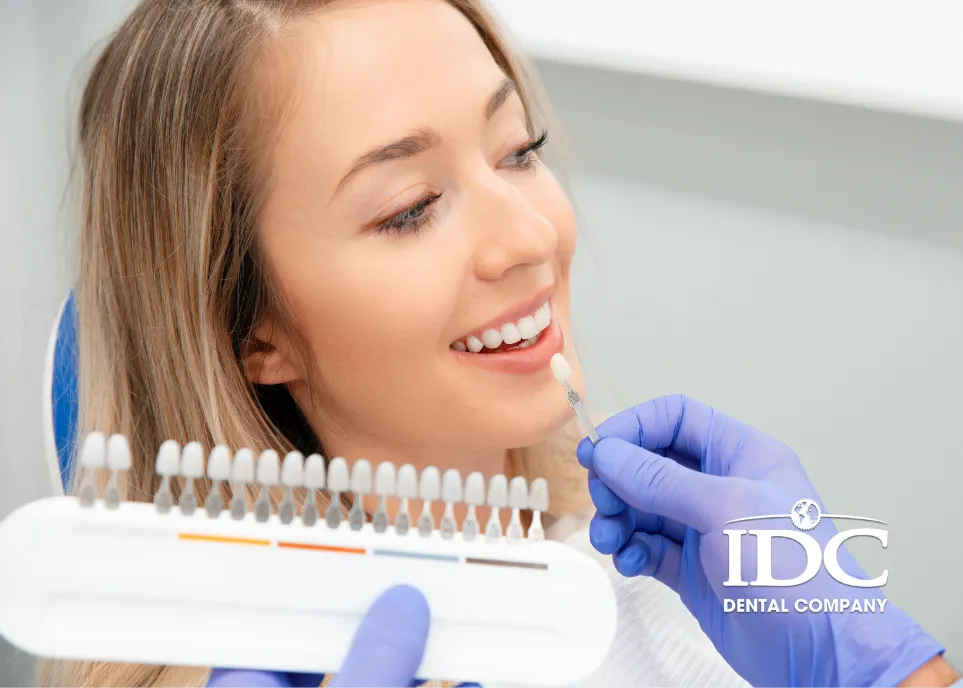
Unlike whitening, veneers can improve both tooth color and overall smile structure. They are designed to correct:
- Severe discoloration
- Chipped teeth
- Uneven tooth shape
- Small gaps
- Mild alignment problems
- Worn enamel
- Smile asymmetry
Modern porcelain materials closely mimic the translucency and shine of natural enamel, allowing veneers to look highly realistic and natural.
Porcelain veneers are also known for:
- Long-lasting durability
- Excellent stain resistance
- Natural aesthetics
- Full smile makeover capabilities
This combination of cosmetic versatility and natural appearance is one reason veneers remain one of the most requested procedures in cosmetic dentistry.
Main difference between whitening and veneers
The biggest difference between whitening and veneers is simple:
Whitening changes tooth color only.
Porcelain dental veneers improve both the appearance and structure of the smile.
Whitening works best for patients who already have:
- Healthy enamel
- Good tooth shape
- Proper alignment
- Minimal cosmetic concerns
Porcelain veneers are more suitable for patients with multiple aesthetic problems affecting their smile.
For example:
- Mild yellow teeth may only require whitening.
- Severe stains combined with chips, spacing, and uneven teeth may require veneers.
This is why a professional cosmetic consultation is extremely important before choosing treatment.
When should you choose porcelain dental veneers instead of whitening?
Severe tooth discoloration
One of the most common reasons dentists recommend veneers instead of whitening is severe discoloration that bleaching treatments cannot effectively correct.
Some stains develop deep inside the tooth structure and are resistant to whitening.
Examples include:
- Tetracycline staining
- Fluorosis
- Root canal darkening
- Trauma-related discoloration
- Genetic enamel defects
In these cases, whitening often produces:
- Uneven brightness
- Minimal improvement
- Patchy color
- Unsatisfactory results
Porcelain veneers completely cover the stained tooth surface, allowing dentists to create a brighter and more uniform smile.
For patients with severe intrinsic stains, veneers often provide dramatically superior cosmetic outcomes compared to whitening alone.
Chipped or cracked teeth
Whitening cannot repair physical damage to teeth.
Patients with:
- Chipped front teeth
- Small fractures
- Worn edges
- Uneven enamel
often benefit far more from veneers.
Porcelain veneers restore tooth shape while simultaneously improving smile brightness and symmetry.
This makes veneers an excellent option for patients seeking both cosmetic enhancement and restoration.
Uneven tooth shape or size
Some people naturally have:
- Small teeth
- Short teeth
- Peg lateral incisors
- Irregular front teeth
- Uneven smile proportions
Whitening can brighten these teeth, but it cannot improve their shape or proportions.
Porcelain veneers allow cosmetic dentists to redesign:
- Tooth width
- Tooth length
- Curvature
- Surface texture
- Smile harmony
This is one reason veneers are commonly used for complete smile makeover procedures.
Gaps between teeth
Teeth whitening cannot close spaces between teeth.
Patients with small or moderate gaps often choose veneers because they can visually eliminate spacing while improving:
- Tooth color
- Smile symmetry
- Tooth proportions
Veneers are especially effective for:
- Small front tooth gaps
- Black triangles between teeth
- Mild cosmetic spacing issues
However, large gaps or major bite problems may still require orthodontic treatment.
Mildly crooked teeth
Some patients want straighter-looking teeth without wearing braces.
In carefully selected cases, veneers can create the appearance of straighter teeth by reshaping visible tooth surfaces. This approach is sometimes called “instant orthodontics.”
Veneers may improve:
- Slight crowding
- Minor tooth rotations
- Mild overlap
- Uneven front teeth
However, veneers are not suitable for severe orthodontic issues.
Patients with major crowding or bite instability may still require braces or Invisalign before cosmetic treatment.
Worn or eroded teeth
Teeth may become worn over time due to:
- Teeth grinding
- Acid reflux
- Acidic beverages
- Aging
- Enamel erosion
Worn teeth often appear:
- Shorter
- Flatter
- More yellow
- Older-looking
Whitening can improve brightness slightly, but it cannot restore lost structure.
Porcelain veneers allow dentists to rebuild:
- Tooth length
- Surface anatomy
- Smile proportions
- Protective enamel coverage
This helps restore a healthier and more youthful smile appearance.
Patients seeking a complete smile makeover
Some patients simply want a dramatic smile transformation that whitening alone cannot provide.
Porcelain dental veneers are commonly recommended for patients seeking:
- Hollywood smile aesthetics
- Full smile redesign
- Celebrity-style smile makeovers
- Comprehensive cosmetic enhancement
Veneers can simultaneously improve:
- Color
- Shape
- Alignment appearance
- Symmetry
- Smile harmony
This ability to solve multiple cosmetic concerns at once is one of the biggest advantages of veneers.
When whitening may be the better choice
Despite the advantages of veneers, whitening remains an excellent option for many patients.
Dentists may recommend whitening when patients have:
- Healthy tooth structure
- Good smile proportions
- Mild surface stains
- Minimal cosmetic imperfections
Whitening is especially attractive because it:
- Requires no enamel removal
- Preserves natural teeth completely
- Costs less initially
- Is minimally invasive
For patients who simply want brighter teeth without structural changes, whitening may be the ideal treatment.
How Dentists Decide Between Veneers and Whitening
Choosing between whitening and veneers requires careful evaluation.
Dentists assess several important factors.
Type of Discoloration
Surface stains usually respond well to whitening.
Deep intrinsic stains may require veneers instead.
Tooth Structure
Healthy, undamaged teeth may only need whitening.
Damaged or worn teeth often benefit more from veneers.
Bite Stability
Patients with unstable bites or severe grinding habits may require additional treatment before veneers.
Cosmetic Goals
Some patients want subtle enhancement.
Others desire a dramatic smile transformation.
The final recommendation depends on both oral health and aesthetic expectations.
Benefits of Porcelain Dental Veneers
Porcelain veneers offer several major advantages.
Natural Appearance
Modern porcelain closely mimics natural enamel translucency and shine.
Long-Lasting Results
With proper care, veneers may last:
- 10 years
- 15 years
- Sometimes, even 20 years
Stain Resistance
Porcelain resists staining better than natural teeth.
Multiple Cosmetic Improvements
Veneers improve:
- Color
- Shape
- Minor alignment
- Spacing
- Smile symmetry
within one treatment plan.
Potential Drawbacks of Veneers
Despite their advantages, veneers also have limitations.
Higher Cost
Veneers are more expensive than whitening.
Irreversible Procedure
A small amount of enamel is usually permanently removed.
Requires Skilled Cosmetic Dentistry
Poorly designed veneers may appear bulky or unnatural.
Choosing an experienced cosmetic dentist is extremely important for successful results.



 WhatsApp