
Composite vs Porcelain Veneers is a key comparison for anyone looking to enhance their smile with modern cosmetic dentistry. As veneers become increasingly popular for correcting stains, gaps, and uneven teeth, patients often struggle to choose between these two leading options.
So, which one should you choose?
Both composite and porcelain veneers come with their own strengths, from cost and convenience to durability and aesthetics.
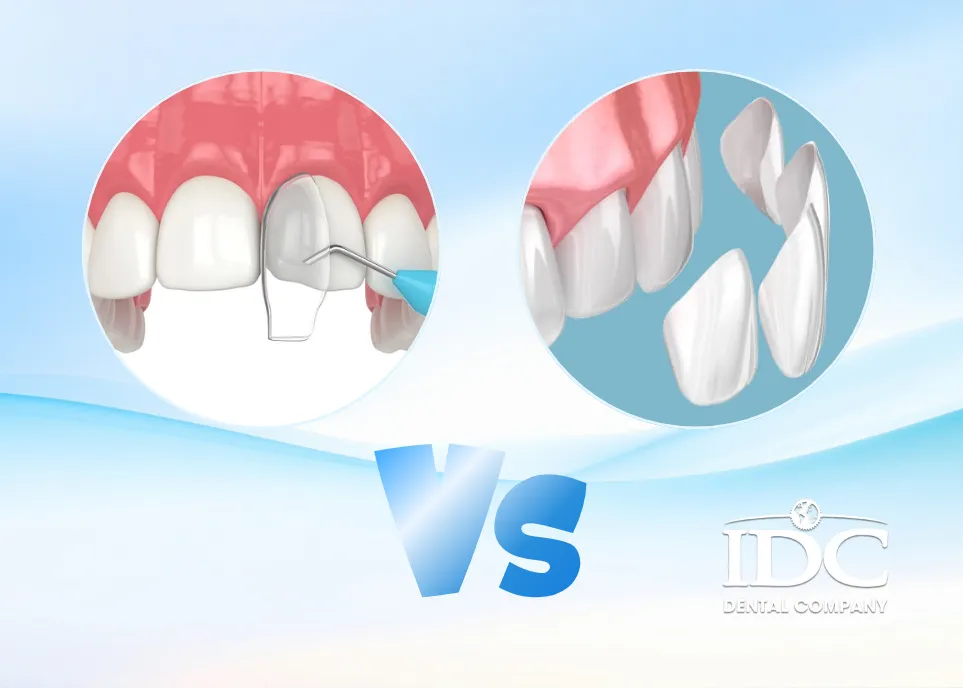
In this guide, we’ll explore the differences in detail—helping you understand which option aligns best with your goals, budget, and desired long-term results.
What Are Dental Veneers?
Definition of Veneers
Dental veneers are thin, custom-made shells that are bonded to the front surface of your teeth.
They are designed to improve the appearance of your smile by covering imperfections such as stains, chips, cracks, or gaps.
Why People Choose Veneers
Patients choose veneers for a variety of cosmetic reasons:
- Whiter teeth that resist staining
- Improved shape and symmetry
- Closing small gaps between teeth
- Repairing chipped or worn edges
- Creating a “Hollywood smile” look
Veneers are one of the fastest ways to achieve a dramatic smile transformation.
What Are Composite Veneers?
Definition and Materials
Composite veneers are made from a tooth-colored resin material, similar to what dentists use for fillings. This material is applied directly to the teeth and sculpted into shape.
Procedure Overview
The process is typically completed in a single visit:
- Teeth are cleaned and lightly prepared
- Composite resin is applied layer by layer
- The dentist sculpts and shapes the material
- A special light hardens the resin
- Final polishing creates a natural finish
Pros of Composite Veneers
- Affordable compared to porcelain
- Same-day results (no lab needed)
- Minimally invasive (little to no enamel removal)
- Easy to repair if chipped
Cons of Composite Veneers
- Shorter lifespan (typically 3–7 years)
- More prone to staining over time
- Less natural appearance compared to porcelain
- May require more maintenance
What Are Porcelain Veneers?
Definition and Materials
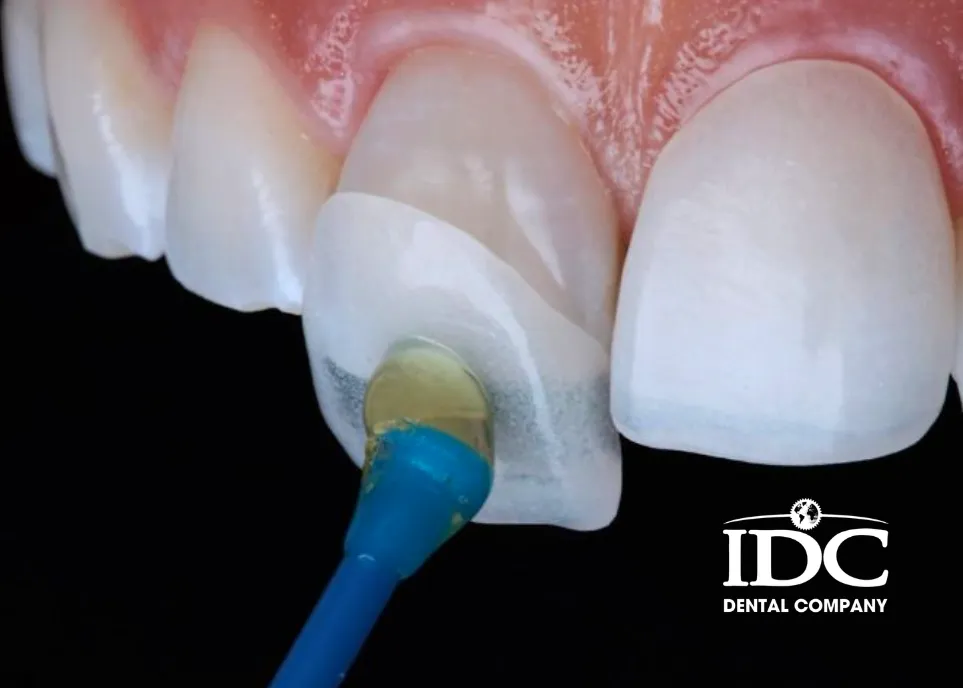
Porcelain veneers are thin shells made from high-quality ceramic. They are custom-designed in a dental lab to match the shape, size, and color of your teeth.
Procedure Overview
The process usually takes 2–3 visits:
- Initial consultation and smile design
- Tooth preparation (removing a thin layer of enamel)
- Impressions sent to a lab
- Temporary veneers placed
- Final veneers bonded to teeth
Pros of Porcelain Veneers
- Highly natural appearance (mimics real enamel)
- Stain-resistant (ideal for long-term whitening)
- Durable and long-lasting (10–20 years)
- Strong and resistant to wear
Cons of Porcelain Veneers
- Higher cost
- Irreversible procedure (due to enamel removal)
- Requires multiple visits
- Harder to repair if damaged
Composite vs Porcelain Veneers: Key Differences
Cost Comparison
- Composite veneers are significantly more affordable
- Porcelain veneers are a long-term investment
Durability & Lifespan
- Composite: 3–7 years
- Porcelain: 10–20 years
Aesthetic Appearance
- Composite: good but slightly less realistic
- Porcelain: superior translucency and natural look
Procedure Time
- Composite: 1 visit
- Porcelain: 2–3 visits
Maintenance & Repair
- Composite: easy to fix or adjust
- Porcelain: more durable but harder to repair
Which Veneers Look More Natural?
If your priority is achieving the most natural-looking smile, porcelain veneers are the clear winner.
Porcelain reflects light in a way that closely mimics natural tooth enamel. This creates a translucent, lifelike appearance that is difficult to replicate with composite materials. Composite veneers can still look good, especially when done by an experienced dentist, but they tend to appear slightly flatter or more opaque over time.
Which Veneers Last Longer?
Porcelain veneers are significantly more durable.
Thanks to their ceramic composition, they resist wear, chipping, and staining much better than composite veneers. While composite veneers may need replacement within a few years, porcelain veneers can last over a decade with proper care.
If you’re looking for a long-term solution, porcelain is the better choice.
Which Option Is More Affordable?
In the short term, composite veneers are more budget-friendly. They are ideal for patients who want a quick improvement without a large financial commitment.
However, when considering long-term value:
- Composite may need multiple replacements
- Porcelain lasts longer and maintains its appearance
So while porcelain veneers have a higher upfront cost, they can be more cost-effective over time.
Are Composite or Porcelain Veneers Better for Your Teeth?
Best for Minor Corrections
Composite veneers are ideal for:
- Small chips or cracks
- Slight discoloration
- Temporary cosmetic improvements
Best for Full Smile Makeover
Porcelain veneers are better for:
- Severe staining
- Uneven or worn teeth
- Complete smile transformation
Who Is a Good Candidate for Each Type?
Ideal Candidates for Composite Veneers
- Patients on a budget
- Those wanting a reversible or temporary option
- Minor cosmetic issues
Ideal Candidates for Porcelain Veneers
- Patients seeking long-term results
- Those wanting the most natural aesthetics
- Individuals with significant cosmetic concerns
Risks and Considerations
Before choosing veneers, consider:
- Tooth sensitivity after preparation
- Irreversibility of porcelain veneers
- Oral hygiene requirements
- Risk of chipping (especially with composite)
Consulting with a qualified dentist is essential to evaluate your individual case.
Composite vs Porcelain Veneers: Side-by-Side Comparison
| Feature | Composite Veneers | Porcelain Veneers |
|---|---|---|
| Cost | Lower | Higher |
| Lifespan | 3–7 years | 10–20 years |
| Appearance | Good | Excellent |
| Procedure | 1 visit | 2–3 visits |
| Repair | Easy | Difficult |
| Stain Resistance | Low | High |
Cost of Composite vs Porcelain Veneers in Vietnam
Vietnam has become a leading destination for affordable cosmetic dentistry.
Typical price ranges:
- Composite veneers: $50 – $150 per tooth
- Porcelain veneers: $250 – $600 per tooth
Compared to countries like the US or Australia, patients can save up to 70% while still receiving high-quality care from experienced dentists.
Composite vs Porcelain Veneers: Which Is Better Overall?
There is no one-size-fits-all answer.
- Choose composite veneers if you want a quick, affordable solution
- Choose porcelain veneers if you want the best aesthetics and long-term results
Ultimately, the best option depends on your goals, budget, and expectations.
Expert Recommendation from Dentists
Most dentists recommend:
- Composite veneers for minor, temporary fixes
- Porcelain veneers for long-term smile makeovers
A professional consultation will help determine which option is best suited for your teeth and lifestyle.
Why Choose a Professional Dental Clinic in Vietnam
Vietnam is gaining global recognition for dental tourism due to:
- Modern equipment and technology
- Highly trained dentists
- English-speaking staff
- Affordable pricing
Clinics in major cities like Ho Chi Minh City and Da Nang offer international-standard care at competitive rates.




 WhatsApp