
Bad breath, or halitosis, can persist even if you brush, floss, and use mouthwash every day. While good oral hygiene is essential, chronic bad breath is often caused by underlying issues such as tongue bacteria, gum disease, dry mouth, tooth decay, tonsil stones, sinus infections, or acid reflux.
The good news is that most causes of persistent bad breath can be successfully treated once the source is identified.
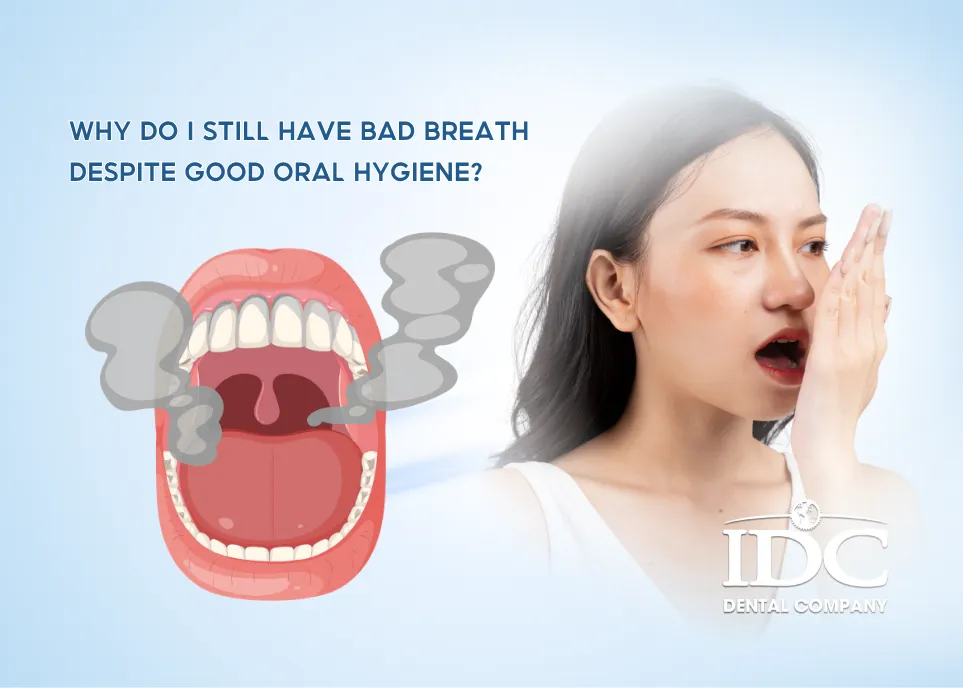
In this guide, you’ll learn why you may still have bad breath despite good oral hygiene, the most common causes, warning signs, and effective treatments to help you achieve long-lasting fresh breath.
What is chronic bad breath (Halitosis)?
Bad breath is medically known as halitosis. It refers to an unpleasant odor that comes from the mouth and persists over time.
While everyone experiences temporary bad breath from time to time—such as after eating garlic or onions—chronic halitosis is different. The odor remains even after brushing your teeth or using mouthwash and may continue for weeks or months if the underlying cause isn’t treated.
Understanding the difference between temporary and persistent bad breath is the first step toward finding the right solution.
Temporary vs. Chronic Bad Breath
Temporary Bad Breath
Temporary bad breath is usually harmless and disappears once the cause has been eliminated.
Common causes include:
- Eating garlic or onions
- Drinking coffee or alcohol
- Smoking
- Waking up with “morning breath”
- Skipping a meal
- Temporary dry mouth
Simple measures such as brushing, flossing, drinking water, or chewing sugar-free gum usually eliminate temporary bad breath.
Chronic Bad Breath
Chronic bad breath persists even after maintaining good oral hygiene.
If you consistently notice unpleasant breath despite brushing twice a day and flossing daily, an underlying condition may be responsible.
Common causes include:
- Gum disease
- Tongue bacteria
- Dry mouth
- Tooth decay
- Tonsil stones
- Sinus infections
- Acid reflux (GERD)
- Certain medical conditions
Unlike temporary bad breath, chronic halitosis often requires professional diagnosis and treatment.
Why good oral hygiene isn’t always enough
Brushing and flossing are essential for maintaining healthy teeth and gums, but they only clean certain areas of your mouth.
Bad breath can originate from places that are difficult to clean or from conditions unrelated to your oral hygiene routine.
For example:
- Bacteria can accumulate on the back of the tongue.
- Deep gum pockets may trap bacteria below the gumline.
- Reduced saliva allows odor-causing bacteria to multiply.
- Cavities or damaged fillings may collect food particles.
- Certain medical conditions can affect the odor of your breath.
That’s why some people continue to struggle with bad breath even though they maintain excellent oral hygiene habits.
Common causes of bad breath despite good oral hygiene
Persistent bad breath is often caused by an underlying issue rather than poor brushing habits. Below are some of the most common reasons your breath may remain unpleasant despite taking good care of your teeth.
Bacteria on the Tongue
One of the leading causes of chronic bad breath is the buildup of bacteria on the surface of the tongue.
The back of the tongue contains tiny grooves that easily trap:
- Food debris
- Dead cells
- Bacteria
- Mucus
As these bacteria break down proteins, they produce volatile sulfur compounds (VSCs)—the chemicals responsible for the unpleasant odor associated with bad breath.
Many people brush their teeth carefully but forget to clean their tongue, allowing odor-causing bacteria to remain.
Using a tongue scraper or gently brushing your tongue every day can significantly improve breath freshness.
Gum disease (Gingivitis and Periodontitis)
Healthy gums fit tightly around your teeth.
When gum disease develops, bacteria accumulate beneath the gumline, creating deep pockets where brushing and flossing cannot easily reach.
These bacteria produce toxins and sulfur compounds that contribute to persistent bad breath.
Other signs of gum disease may include:
- Bleeding gums
- Red or swollen gums
- Gum recession
- Loose teeth
- Bad taste in the mouth
Professional periodontal treatment is often necessary to eliminate the source of the odor.
Dry mouth (Xerostomia)
Saliva plays an important role in naturally cleaning your mouth.
It helps wash away food particles, neutralize acids, and control bacterial growth.
When saliva production decreases, bacteria multiply more rapidly, leading to persistent bad breath.
Dry mouth may be caused by:
- Aging
- Certain medications
- Mouth breathing
- Smoking
- Dehydration
- Diabetes
- Radiation therapy
People often notice that bad breath is worse in the morning because saliva production naturally decreases during sleep.
Staying hydrated and treating the underlying cause of dry mouth can greatly improve breath odor.
Tooth decay and hidden dental infections
Cavities and infected teeth can trap bacteria deep inside the tooth.
Even if the decay isn’t painful, bacteria continue producing foul-smelling compounds.
Hidden dental infections may also cause:
- Persistent bad breath
- A bad taste in the mouth
- Sensitivity
- Swelling
- Tooth pain
Regular dental examinations allow dentists to detect cavities before they become serious.
Poorly fitted dental restorations
Old crowns, bridges, dentures, or fillings may develop tiny gaps over time.
These spaces can trap food particles and bacteria that are difficult to remove with normal brushing.
As bacteria multiply, unpleasant odors develop.
Replacing damaged or poorly fitting restorations often improves oral hygiene and eliminates persistent bad breath.
Tonsil stones (Tonsilloliths)
Tonsil stones are small white or yellow deposits that form inside the crevices of the tonsils.
They consist of:
- Food debris
- Dead cells
- Mucus
- Bacteria
Although they are usually harmless, tonsil stones often produce a very strong sulfur-like odor that brushing alone cannot eliminate.
Other symptoms may include:
- Sore throat
- Difficulty swallowing
- Feeling that something is stuck in the throat
- Chronic bad breath
If tonsil stones occur frequently, an evaluation by a dentist or ear, nose, and throat (ENT) specialist may be recommended.
Sinus Infections and Postnasal Drip
Chronic sinus infections and allergies can also contribute to persistent bad breath.
Excess mucus draining from the sinuses into the back of the throat creates an environment where bacteria thrive.
This bacterial buildup may produce unpleasant odors even when your teeth and gums are healthy.
People with chronic sinus problems often notice:
- Nasal congestion
- Thick mucus
- Sore throat
- Frequent throat clearing
- Ongoing bad breath
Treating the sinus condition usually improves breath odor as well.



 WhatsApp