
If you’re asking, “Why does my dental implant feel loose?”, this guide will help you understand the possible causes, warning signs you shouldn’t ignore, and when you should see a dentist immediately.
Should You Worry If a Dental Implant Feels Loose?
A properly integrated dental implant should feel completely solid. Unlike natural teeth, implants are anchored directly into the jawbone through a process called osseointegration. Once healed, there should be no movement at all.
If your implant feels loose, it is not normal and should be evaluated as soon as possible. Early diagnosis can often prevent more serious complications and increase the chances of saving the implant.
Is It Really the Implant That’s Loose?
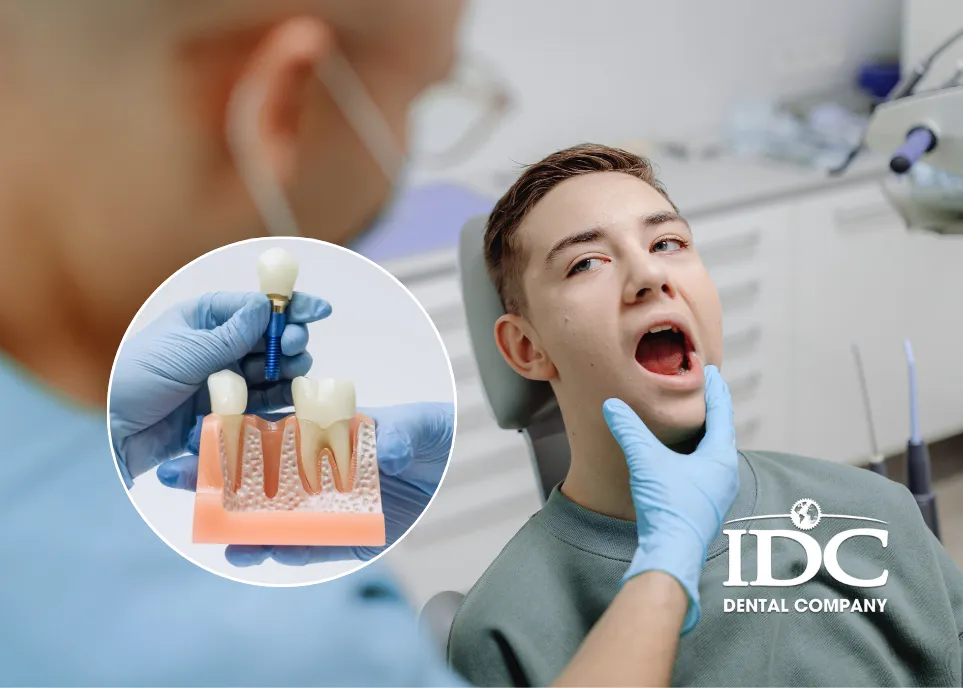
Before assuming the worst, it’s important to understand that a dental implant consists of three parts:
- Implant fixture – the titanium post inside the bone
- Abutment – the connector between the implant and the crown
- Crown – the visible tooth
In many cases, the looseness comes from the crown or abutment, not the implant itself.
Signs It May Be Just the Crown
- The tooth moves slightly, but the gum area feels stable
- No pain or swelling
- A clicking sensation when chewing
This type of issue is usually simple to fix by tightening or replacing the crown screw.
Signs the Implant May Be Loose
- Movement at the gum or bone level
- Pain or pressure when biting
- Swelling, bleeding, or gum recession
If you notice these symptoms, you should see a dentist promptly.
Why Does My Dental Implant Feel Loose?
There are several possible causes, ranging from minor mechanical issues to more serious biological problems.
1. Loose Crown or Abutment Screw
Over time, chewing forces or teeth grinding (bruxism) can loosen the screw that holds the crown or abutment in place.
This is one of the most common and easiest problems to fix.
2. Peri-implantitis (Infection Around the Implant)
Peri-implantitis is an infection that affects the gum and bone surrounding the implant.
It can lead to inflammation and bone loss, causing the implant to lose support.
Symptoms may include:
- Red or swollen gums
- Bleeding when brushing
- Bad taste or bad breath
- Pus around the implant
Without treatment, this condition can lead to implant failure.
3. Bone Loss Around the Implant
Bone loss can occur due to infection, excessive pressure, or poor oral hygiene. As the bone shrinks, the implant may begin to feel unstable.
4. Failed Osseointegration
If the implant never properly fused with the bone, it may feel loose within the first few weeks or months after placement.
This is more likely if there was insufficient bone, movement during healing, or underlying health conditions.
5. Excessive Bite Force or Teeth Grinding
Strong biting pressure or nighttime grinding can overload the implant and gradually loosen components or damage surrounding bone.
6. Trauma or Injury
A fall, accident, or sudden impact to the mouth can damage the implant structure or surrounding bone.
7. Lifestyle and Medical Factors
Certain conditions increase the risk of implant complications:
- Smoking
- Uncontrolled diabetes
- Osteoporosis
- Poor oral hygiene
Warning Signs You Shouldn’t Ignore
If your dental implant feels loose, watch for these additional symptoms:
- Movement or wobbling sensation
- Pain when chewing or biting
- Swollen, red, or bleeding gums
- Gum recession exposing implant threads
- Bad odor or unpleasant taste
- Pus around the implant
- Bite feeling uneven or uncomfortable
These signs may indicate infection or bone loss and require professional evaluation.
Is a Loose Dental Implant an Emergency?
Not every loose implant is an emergency—but some situations require urgent dental care, including:
- Sudden or increasing mobility
- Severe pain or swelling
- Signs of infection
- Fever or spreading gum inflammation
Delaying treatment can lead to:
- Progressive bone loss
- Implant failure
- More complex and expensive procedures,s such as bone grafting or replacement
Early treatment is always simpler and more successful.
Treatment Options for a Loose Dental Implant
The right treatment depends on the cause of the looseness.
1. Tightening the Crown or Abutment
If the problem is mechanical, the dentist can tighten or replace the screw. This quick procedure is often completed in a single visit.
2. Professional Cleaning and Infection Control
For early peri-implantitis, treatment may include:
- Deep cleaning around the implant
- Antibacterial therapy
- Laser treatment or medication
3. Bite Adjưustment or Night Guard
If excessive force or grinding is the cause, adjusting the bite or wearing a night guard can protect the implant.
4. Bone Grafting
If bone loss has occurred, grafting may be needed to restore support before the implant becomes stable again.
5. Implant Removal and Replacement
In severe cases where the implant has lost stability, removal may be necessary. After healing and, if needed, bone grafting, a new implant can often be placed successfully.
Can a Loose Dental Implant Be Saved?
In many cases, yes. The success of treatment depends on:
- How early the problem is detected
- The amount of bone loss
- The underlying cause
Mechanical issues are usually easy to fix. Even infections can be treated successfully if caught early. However, advanced bone loss reduces the chances of saving the implant.
This is why early evaluation is critical.
How to Prevent Implant Loosening
While implants are highly reliable, proper care is essential for long-term success.
Daily Care
- Brush twice daily with a soft toothbrush
- Floss or use interdental brushes around the implant
- Use antibacterial mouthwash if recommended
Professional Care
- Regular dental check-ups every 6 months
- Professional cleaning to remove plaque and tartar
Lifestyle Protection
- Avoid smoking
- Control medical conditions like diabetes
- Wear a night guard if you grind your teeth
- Avoid biting hard objects such as ice or pens
With good care, dental implants can last 15–25 years or longer.
Cost Considerations for Treating a Loose Implant
Treatment costs vary depending on the severity:
- Crown tightening: minimal cost
- Infection treatment: moderate cost
- Bone grafting or implant replacement: higher cost
Early treatment not only protects your oral health but also helps avoid expensive procedures later.
For international patients, countries like Vietnam offer high-quality implant care at significantly lower costs compared to the US or Australia.
When Should You See a Dentist Immediately?
You should schedule an appointment as soon as possible if:
- Your implant feels mobile or unstable
- You experience pain when chewing
- Gums around the implant are swollen or bleeding
- There is pus, bad taste, or bad odor
- Your bite suddenly feels different
Even if there is no pain, looseness should never be ignored.
Why Choose a Specialized Implant Clinic
Managing implant complications requires experience and advanced diagnostic tools. A qualified implant specialist will use:
- Digital X-rays or 3D CBCT scans
- Bite analysis
- Infection assessment
- Customized treatment planning
For international patients, specialized clinics also provide:
- English-speaking dental teams
- Clear treatment timelines
- Transparent pricing
- Support for dental tourism visits
Clinics like IDC Da Nang Dental offer advanced implant evaluation and treatment using modern technology, experienced implant specialists, and personalized care for both local and international patients.


 WhatsApp