Porcelain crowns safe for long-term oral health, which is a common concern for patients considering dental crowns. Many people worry about potential risks such as tooth decay, gum irritation, or long-term damage to natural teeth.
In reality, modern porcelain crowns are generally very safe when properly designed, placed, and maintained. They help protect weakened teeth, restore chewing function, and improve smile aesthetics while supporting long-term oral health.
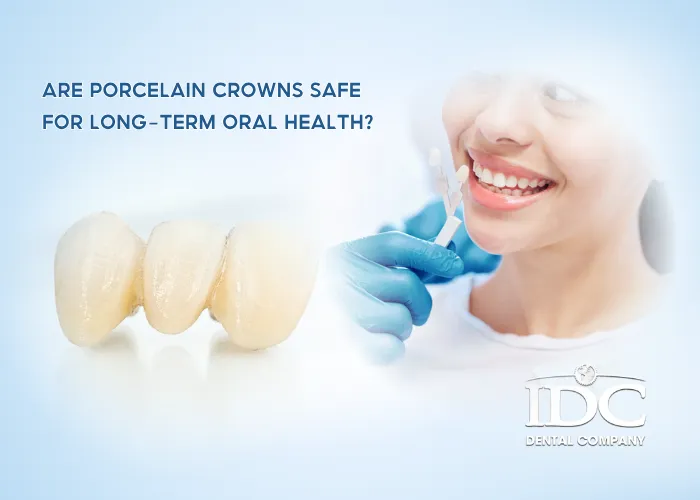
With high-quality materials, proper oral hygiene, and regular dental checkups, porcelain crowns can last many years with minimal complications.
What Are Porcelain Crowns?
A porcelain crown is a tooth-shaped restoration that completely covers a damaged or weakened tooth. It acts like a protective cap, restoring the tooth’s shape, strength, appearance, and function.
Dentists commonly recommend porcelain crowns for:
- Cracked teeth
- Teeth with large fillings
- Root canal-treated teeth
- Severely worn teeth
- Cosmetic smile improvements
Modern crowns are made from advanced dental materials such as:
- All-ceramic porcelain
- Zirconia-based porcelain
- Porcelain-fused-to-metal (PFM)
These materials are designed to mimic the appearance of natural teeth while providing excellent strength and durability.
Are Porcelain Crowns Safe for Long-Term Oral Health?
The short answer is YES. Modern porcelain crowns are generally very safe and effective for long-term oral health when properly placed by an experienced dentist.
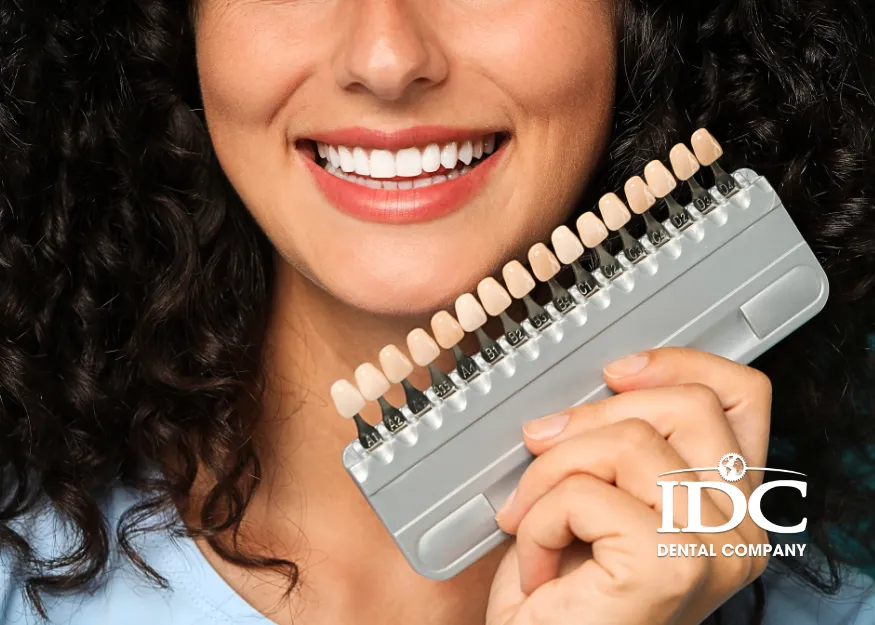
Biocompatible Materials
Most modern porcelain crowns are made from highly biocompatible materials that work safely inside the mouth.
High-quality dental ceramics:
- Do not release harmful substances
- Are resistant to corrosion
- Are compatible with gum tissues
- Rarely cause allergic reactions
Zirconia and all-ceramic crowns are especially popular because they contain no metal and offer excellent tissue compatibility.
Protection for Weak Teeth
One of the main purposes of a crown is to protect weakened teeth from further damage.
Without a crown, a damaged tooth may:
- Crack further
- Break during chewing
- Become more sensitive
- Require extraction later
Porcelain crowns help distribute chewing forces more evenly and reinforce the remaining tooth structure.
Long-Term Clinical Success
Porcelain crowns have been used successfully for decades in restorative dentistry.
Studies show that many well-made crowns can last:
- 10–15 years
- 20 years or longer in some cases
Their long-term success largely depends on:
- Dentist skill
- Crown quality
- Oral hygiene
- Bite forces
- Patient habits
Benefits of Porcelain Crowns for Oral Health
Restoring Chewing Function
Damaged or weakened teeth often make chewing uncomfortable or difficult.
Porcelain crowns restore:
- Bite strength
- Tooth function
- Comfortable chewing ability
This allows patients to eat more normally and comfortably again.
Protecting Teeth from Further Damage
Crowns act like protective shields around compromised teeth.
They help prevent:
- Tooth fractures
- Enamel wear
- Structural collapse
This is especially important for teeth after root canal treatment because such teeth become more brittle over time.
Improving Bite Balance
Missing or damaged teeth can affect bite alignment and place uneven pressure on surrounding teeth.
Well-designed crowns help:
- Stabilize the bite
- Improve chewing efficiency
- Reduce excessive pressure on nearby teeth
Balanced bite forces are important for long-term oral health.
Enhancing Smile Aesthetics
Porcelain crowns are highly aesthetic and designed to resemble natural teeth.
Modern crowns can match:
- Tooth color
- Shape
- Size
- Light reflection
This makes them popular for both restorative and cosmetic dentistry.
Potential Risks or Concerns of Porcelain Crowns
Although porcelain crowns are generally safe, some potential risks may occur if crowns are poorly designed, improperly fitted, or poorly maintained.
Tooth Sensitivity
Some patients experience temporary sensitivity after crown placement.
Common causes include:
- Tooth preparation
- Gum irritation
- Temporary nerve inflammation
This sensitivity usually improves within days or weeks.
Gum Irritation
Poorly fitted crowns may irritate the gums or trap plaque around the crown margins.
This can increase the risk of:
- Gum inflammation
- Bleeding gums
- Bad breath
- Gum recession
Proper crown design and oral hygiene greatly reduce these risks.
Crown Damage or Chipping
Although porcelain is durable, crowns can chip or crack under excessive force.
Risk factors include:
- Teeth grinding (bruxism)
- Biting hard objects
- Accidents or trauma
Zirconia crowns are generally stronger than traditional porcelain crowns.
Tooth Decay Under the Crown
A crown itself cannot decay, but the natural tooth underneath still can.
Decay may occur if:
- Oral hygiene is poor
- Bacteria accumulate at crown margins
- The crown becomes loose
This is why brushing, flossing, and regular dental checkups remain essential.
Are Porcelain Crowns Harmful to Natural Teeth?
Many people believe crowns “ruin” natural teeth, but this is not entirely accurate.
Tooth Preparation Is Necessary
To place a crown, the dentist must reshape part of the natural tooth structure.
This step creates space for the crown to fit properly.
While some enamel removal is required, crowns are often used specifically to save damaged teeth that might otherwise break or require extraction.
Crowns Help Preserve Teeth
Rather than harming teeth, crowns often extend the lifespan of compromised teeth.
Without protection, weakened teeth may:
- Crack deeply
- Become infected
- Need removal
In many cases, crowns prevent these complications.
Types of Porcelain Crowns and Their Safety
All-Ceramic Crowns
All-ceramic crowns contain no metal and are highly aesthetic.
Advantages include:
- Excellent gum compatibility
- Natural appearance
- Minimal allergic risk
These crowns are commonly used for front teeth.
Zirconia Crowns
Zirconia crowns are among the strongest modern dental restorations.
Benefits include:
- High durability
- Excellent long-term strength
- Strong resistance to fractures
- Good tissue compatibility
Zirconia is widely used for both front and back teeth.
Porcelain-Fused-to-Metal (PFM) Crowns
PFM crowns combine metal strength with porcelain aesthetics.
Advantages:
- Durable
- Long clinical history
- Good strength
Possible disadvantages:
- Dark gum line over time
- Metal-related sensitivity in rare cases
How Long Do Porcelain Crowns Last?
The average lifespan of porcelain crowns is typically:
- 10–15 years
- Sometimes longer with proper care
Several factors influence longevity:
- Crown material
- Dentist skill
- Oral hygiene
- Teeth grinding habits
- Bite alignment
Some crowns last over 20 years when well-maintained.
How to Keep Porcelain Crowns Safe Long-Term
Maintain Good Oral Hygiene
Patients should:
- Brush twice daily
- Floss carefully around crowns
- Use antibacterial mouthwash if recommended
Healthy gums are critical for crown longevity.
Attend Regular Dental Checkups
Routine checkups allow dentists to:
- Monitor crown condition
- Detect early problems
- Perform professional cleanings
Early treatment helps prevent complications.
Avoid Harmful Habits
Patients should avoid:
- Chewing ice
- Opening packages with teeth
- Biting hard objects
These habits can damage crowns.
Wear a Night Guard if Necessary
Teeth grinding places excessive pressure on crowns.
Night guards help:
- Protect crowns
- Reduce fractures
- Prevent excessive wear
Are Porcelain Crowns Better Than Other Restorations?
Crowns vs Fillings
Crowns provide:
- Greater strength
- Better protection
- More durability for severely damaged teeth
Large fillings may not adequately support weak teeth.
Crowns vs Veneers
Veneers mainly improve appearance, while crowns restore both:
- Function
- Structure
- Strength
Crowns are better for heavily damaged teeth.
Crowns vs Dental Implants
Crowns preserve natural teeth whenever possible.
Implants are usually recommended only when teeth cannot be saved.
Dentists generally prefer preserving natural teeth first.
Who Is a Good Candidate for Porcelain Crowns?
Porcelain crowns are commonly recommended for:
- Cracked teeth
- Large cavities
- Root canal-treated teeth
- Severely worn teeth
- Cosmetic smile enhancement
An experienced dentist can determine whether a crown is the best treatment option.

 WhatsApp