Why Should You Get Implant Treatment Early? If you have recently lost a tooth, this question may be more important than you think. Many patients underestimate how quickly oral health can decline after tooth loss, leading to complications that are harder—and more expensive—to fix later.
Many people choose to delay treatment, thinking it’s not urgent. However, waiting too long can lead to serious complications such as bone loss, shifting teeth, and more complex dental problems. Understanding the importance of early implant treatment can help you prevent these issues and ensure better long-term outcomes.
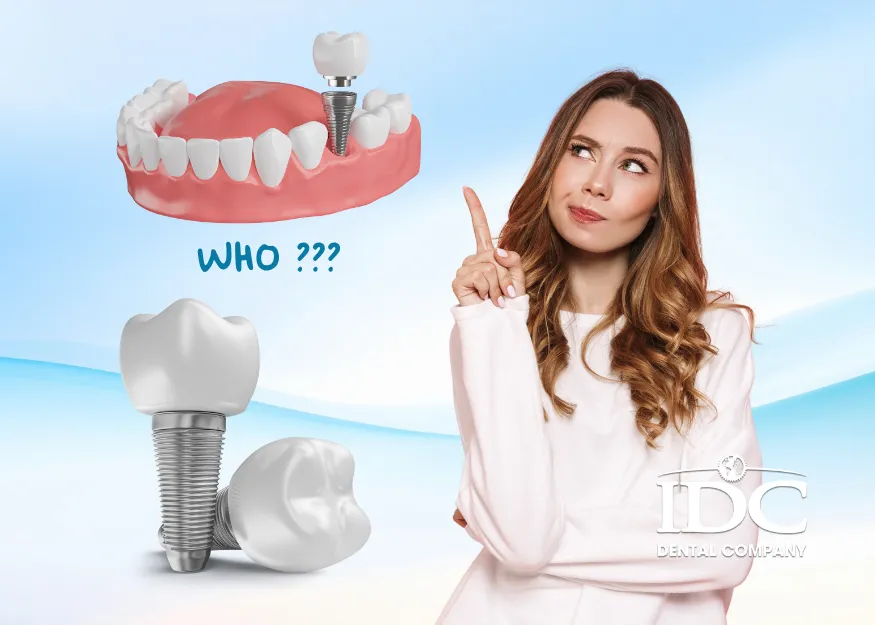
Dental implants are widely recognized as the most effective and durable solution for replacing missing teeth. But to achieve the best results, acting at the right time is essential.
What Happens When You Delay Dental Implant Treatment?
Bone Loss Begins Immediately After Tooth Loss
One of the most critical reasons to act early is bone loss. When a tooth is lost, the jawbone in that area no longer receives stimulation from chewing. As a result, the body begins to resorb the bone.
Within the first 3 to 6 months, significant bone loss can already occur. Over time, this process continues, reducing both the height and width of the jawbone.
Without sufficient bone, placing a dental implant becomes more difficult and may require additional procedures such as bone grafting.
Adjacent Teeth Start Shifting
Your teeth are designed to support each other. When one tooth is missing, the surrounding teeth may gradually shift into the empty space.
This movement can lead to:
- Misaligned teeth
- Bite problems
- Increased wear on remaining teeth
These changes not only affect your appearance but also make future dental treatments more complex.
Changes in Facial Structure
The jawbone supports your facial structure. As bone loss progresses, it can lead to a sunken or aged appearance.
Patients who delay treatment often notice:
- Sagging cheeks
- Thinner lips
- Premature facial aging
Early implant placement helps preserve natural facial contours.
Increased Risk of Oral Health Problems
Gaps left by missing teeth can trap food and bacteria, increasing the risk of:
- Gum disease
- Tooth decay in neighboring teeth
- Chronic inflammation
Delaying treatment can turn a simple case into a more serious oral health issue.
Key Benefits of Getting Implant Treatment Early
Preserves Jawbone Density
Dental implants act like natural tooth roots. Once placed, they stimulate the jawbone and prevent further bone loss.
Getting implants early helps:
- Maintain bone structure
- Avoid bone grafting procedures
- Ensure long-term stability
Higher Success Rate of Implant Surgery
Healthy bone and gum tissue provide the ideal conditions for implant placement.
Early treatment offers:
- Better healing response
- Stronger osseointegration (bone bonding with the implant)
- Lower risk of complications
Simpler and Less Expensive Treatment
Delaying treatment often leads to additional procedures such as:
- Bone grafting
- Sinus lifting
- Orthodontic correction
By acting early, you can avoid these complex treatments, reducing both time and cost.
Faster Recovery and Better Comfort
Early implant placement is typically less invasive. This means:
- Shorter surgery time
- Faster healing
- Less discomfort
Patients can return to normal activities more quickly.
Restores Function and Aesthetics Early
Missing teeth can affect your ability to chew and speak properly.
Early treatment allows you to:
- Eat comfortably
- Speak clearly
- Smile with confidence
This has a direct impact on your quality of life.
When Is the Best Time to Get Dental Implants?
Immediate Implant Placement
In some cases, implants can be placed immediately after tooth extraction. This approach:
- Minimizes bone loss
- Reduces treatment time
- Preserves gum structure
Early Implant Placement (Within 2–3 Months)
This is often considered the ideal timeframe. It allows for initial healing while preventing significant bone loss.
Delayed Implants – When Is It Necessary?
In certain situations, such as infection or insufficient bone, delayed placement may be required.
However, delaying too long can increase treatment complexity.
Risks of Waiting Too Long for Implant Treatment
Severe Bone Loss Requiring Bone Grafting
As bone deteriorates, additional procedures become necessary. Bone grafting increases:
- Treatment time
- Cost
- Recovery period
More Complex Surgical Procedures
Delayed cases often require advanced surgical techniques, making the process more complicated.
Higher Costs and Longer Treatment Time
What could have been a simple implant procedure may turn into a multi-stage treatment plan.
Reduced Implant Stability
Less bone support can affect the long-term success of the implant.
Who Should Consider Early Implant Treatment?
Patients Who Recently Lost a Tooth
If you have recently experienced tooth loss, this is the best time to consult a dentist.
People with Healthy Gums and Bone
Early-stage conditions provide the best environment for successful implant placement.
Adults Seeking Long-Term Solutions
Dental implants are ideal for patients looking for a durable, natural-looking replacement.
Choosing the Right Dental Clinic for Implant Treatment
Experience and Qualifications of Dentists
Look for clinics with specialized implantologists and proven track records.
Advanced Equipment
Modern tools ensure precision, safety, and better outcomes.
Clear Treatment Planning
A good clinic provides:
- Transparent pricing
- Step-by-step guidance
- Personalized treatment plans
English-Speaking Support for International Patients
This is essential for clear communication and a comfortable experience.
Frequently Asked Questions For Implant Treatment Early(FAQs)
How soon after tooth loss should I get an implant?
Ideally, within a few months to prevent bone loss.
Is early implant placement painful?
No. With modern techniques and anesthesia, the procedure is comfortable.
Can I get implants if I already have bone loss?
Yes, but additional procedures like bone grafting may be required.
How long do dental implants last?
With proper care, implants can last 20 years or more, often a lifetime.


 WhatsApp