Who is a suitable candidate for dental implants? This is one of the most common questions patients ask when considering a long-term solution for missing teeth. Dental implants are widely regarded as the most advanced and durable option in modern dentistry—but not everyone is automatically eligible.
Whether you have lost one tooth, multiple teeth, or even a full arch, dental implants can restore both function and aesthetics. However, successful implant treatment depends on several important factors, including oral health, bone density, and overall medical condition.
In this guide, we will explore who qualifies for dental implants, who may need additional preparation, and how to determine whether implants are the right solution for your smile.
What Are Dental Implants?
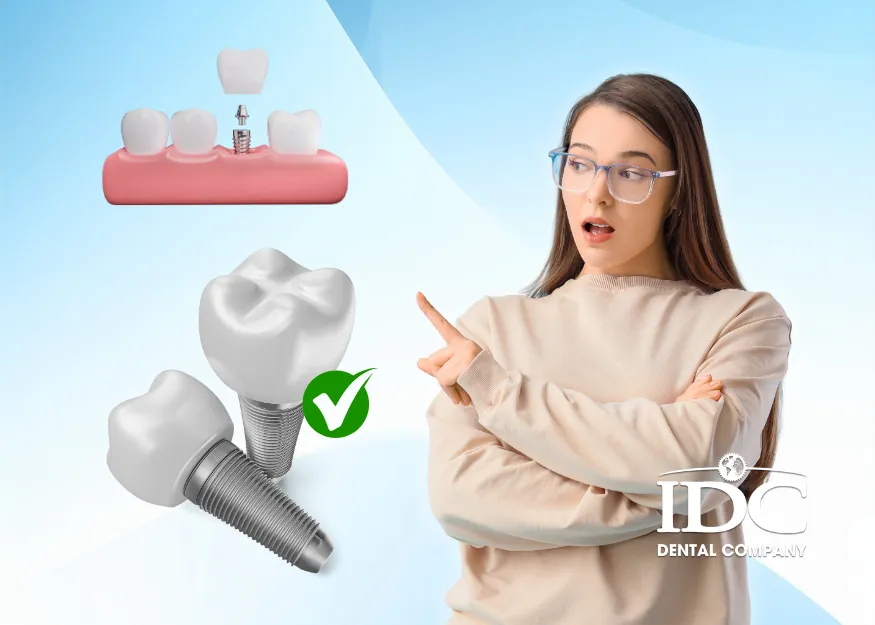
Dental implants are artificial tooth roots made of titanium that are surgically placed into the jawbone. They act as a stable foundation for replacement teeth such as crowns, bridges, or full dentures.
Main Components of a Dental Implant
- Implant fixture: The titanium post is placed into the jawbone
- Abutment: Connects the implant to the crown
- Dental crown: The visible tooth restoration
Why Are Dental Implants So Popular?
- Natural look and feel.
- Strong and stable for chewing
- Long-lasting (10–25+ years)
- Prevent bone loss in the jaw
Because of these benefits, implants are often considered the gold standard in tooth replacement.
General Requirements for Dental Implant Candidates
To determine who is a suitable candidate for dental implants, dentists typically evaluate several key criteria.
1. Good Overall Health
Patients should be healthy enough to undergo a minor surgical procedure. Conditions that affect healing may require additional evaluation.
2. Healthy Gums
Healthy gum tissue is essential for supporting implants. Active gum disease must be treated before implant placement.
3. Adequate Jawbone Density
The jawbone must be strong enough to hold the implant securely. Without sufficient bone, implants may fail.
4. Commitment to Oral Hygiene
Dental implants require proper care, including brushing, flossing, and regular dental visits.
Ideal Candidates for Dental Implants
Patients with Missing Teeth
Whether you are missing one tooth or several, implants can restore your smile effectively.
Patients with Good Oral Health
Healthy gums and teeth increase the success rate of implant treatment.
Adults with Fully Developed Jawbone
Implants are typically recommended for adults, as jawbones must be fully developed.
Non-Smokers or Light Smokers
Smoking can affect healing and increase the risk of implant failure. Non-smokers are ideal candidates.
Who May Not Be Suitable for Dental Implants?
While many people qualify, some conditions may limit eligibility.
Severe Bone Loss
Without enough bone, the implant cannot integrate properly.
Uncontrolled Chronic Diseases
Conditions such as uncontrolled diabetes or heart disease can affect healing.
Heavy Smokers
Smoking reduces blood flow and increases the risk of complications.
Poor Oral Hygiene
Patients unwilling to maintain oral care may not be suitable candidates.
Can You Still Get Implants If You Are Not an Ideal Candidate?
The good news is that many patients who are initially unsuitable can still become candidates with proper treatment.
Bone Grafting
Bone grafting can rebuild lost bone and create a stable foundation for implants.
Sinus Lift
For upper jaw implants, a sinus lift may be required to increase bone height.
Gum Disease Treatment
Treating periodontal disease can improve eligibility.
Lifestyle Changes
Quitting smoking and improving oral hygiene can significantly increase success rates.
Age Considerations for Dental Implants
Minimum Age
Dental implants are usually recommended for patients over 18, once the jawbone is fully developed.
Are Implants Safe for Older Adults?
Yes. Age is not a barrier. Many patients in their 60s, 70s, and even 80s successfully receive implants.
The key factor is overall health, not age.
Medical Conditions and Dental Implants
Certain medical conditions require careful evaluation.
Diabetes
- Controlled diabetes: Usually safe
- Uncontrolled diabetes: Higher risk of complications
Osteoporosis
It may affect bone density, but it does not automatically prevent implants.
Autoimmune Diseases
Can impact healing and require special consideration.
Medications
Some medications (e.g., bisphosphonates) may affect bone healing.
A thorough medical consultation is essential before treatment.
Dental Implant Procedure Overview
Understanding the process helps patients feel more confident.
Step 1: Consultation
- X-rays or 3D scans
- Treatment planning
Step 2: Implant Placement
- Surgical insertion of the implant
Step 3: Healing (Osseointegration)
- Bone fuses with the implant (3–6 months)
Step 4: Crown Placement
- Final restoration attached
Benefits of Dental Implants for Suitable Candidates
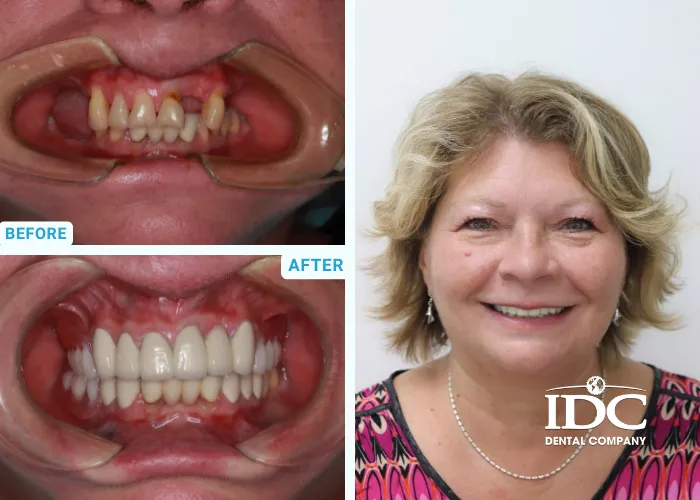
For those who qualify, implants offer life-changing benefits:
- Restore natural chewing ability
- Improve speech clarity
- Enhance facial structure
- Boost confidence
- Long-term durability
Risks and Considerations
While dental implants are highly successful, there are some risks:
- Infection
- Implant failure (rare)
- Healing complications
Choosing a skilled and experienced dentist significantly reduces these risks.
Dental Implants for Foreign Patients (Dental Tourism Perspective)
Many international patients choose countries like Vietnam for implant treatment.
Why Choose Vietnam?
- Cost savings up to 70%
- Modern clinics with advanced technology
- English-speaking dentists
- Short treatment timelines
This makes dental implants both affordable and accessible for global patients.
FAQs: Who Is a Suitable Candidate for Dental Implants
Can smokers get dental implants?
Yes, but quitting smoking improves success rates.
Can diabetics get implants?
Yes, if the condition is well-controlled.
Is bone grafting painful?
It is usually performed under anesthesia, so discomfort is minimal.
How long do implants last?
With proper care, they can last 10–25+ years.
What is the success rate?
Dental implants have a success rate of over 95% in healthy patients.


 WhatsApp