
Orthodontic Care plays a vital role in maintaining not only a beautiful smile but also long-term oral health and overall comfort in daily life.
When problems such as misaligned teeth, improper bite, or jaw irregularities arise, orthodontic care becomes an essential solution rather than just a cosmetic choice. Yet, many people are still unsure about the right time to begin treatment.
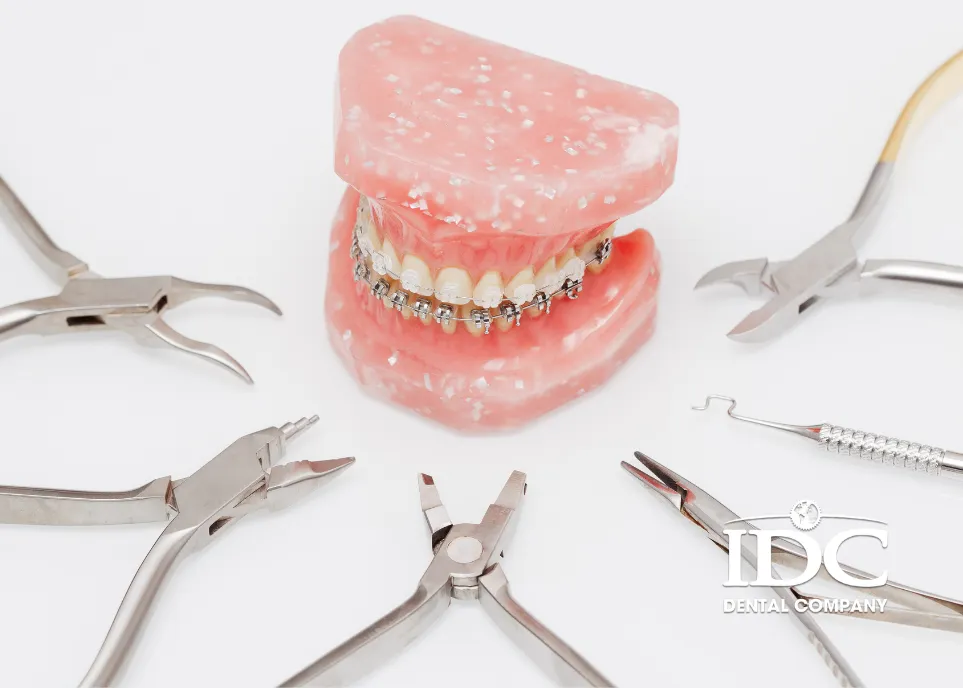
In this guide, we will break down the key signs, appropriate timing, and major benefits of orthodontic care, helping you clearly understand when it is truly necessary to take the next step toward a healthier, more confident smile.
What Is Orthodontic Care?
Orthodontic care refers to specialized dental treatment aimed at correcting misaligned teeth and jaws. It focuses on improving both function and aesthetics, ensuring your teeth work properly while also enhancing your smile.
Common orthodontic treatments include:
- Traditional metal braces
- Ceramic (tooth-colored) braces
- Clear aligners like Invisalign
- Retainers for post-treatment maintenance
Orthodontic care is not just about straight teeth—it also helps prevent long-term dental problems such as tooth decay, gum disease, and jaw disorders.
What Problems Does Orthodontic Care Treat?
Orthodontic care is recommended for a wide range of dental issues that affect both appearance and function.
1. Crooked or Misaligned Teeth
Teeth that are crowded, overlapping, or rotated can make oral hygiene difficult. Food and plaque can easily get trapped, increasing the risk of cavities and gum disease.
2. Bite Problems (Malocclusion)
Bite issues occur when the upper and lower teeth do not align properly. Common types include:
- Overbite: Upper teeth overlap too much over lower teeth
- Underbite: Lower teeth extend beyond upper teeth
- Crossbite: Some upper teeth sit inside lower teeth
- Open bite: Upper and lower teeth don’t touch when the mouth is closed
3. Jaw Alignment Issues
Improper jaw alignment can lead to:
- Difficulty chewing
- Speech problems
- Jaw pain or clicking (TMJ disorders)
Common Signs You Need Orthodontic Care
Recognizing early signs can help you seek treatment at the right time. Orthodontic care is recommended if you experience:
- Crooked or crowded teeth
- Noticeable gaps between teeth
- Difficulty biting or chewing food
- Frequent jaw pain or discomfort
- Clicking or popping sounds in the jaw
- Speech difficulties
- Teeth grinding (bruxism)
- Uneven tooth wear
If you notice one or more of these symptoms, it’s a strong indication that orthodontic evaluation is needed.
When Is Orthodontic Care Recommended for Children?
Ideal Age for First Evaluation
Dental experts recommend that children have their first orthodontic check-up around age 7. At this stage, both baby teeth and permanent teeth are present, making it easier to detect early issues.
Early Warning Signs in Children
- Thumb sucking beyond age 5
- Mouth breathing
- Difficulty chewing or biting
- Early or late loss of baby teeth
Benefits of Early Treatment
Early orthodontic care (also known as interceptive treatment) can:
- Guide jaw growth
- Prevent severe misalignment
- Reduce the need for complex treatment later
When Is Orthodontic Care Recommended for Teenagers?
The teenage years are the most common time for orthodontic treatment. This is because:
- Most permanent teeth have erupted
- Jaw bones are still developing
- Treatment tends to be faster and more effective
Teenagers often choose between:
- Traditional braces
- Clear aligners for a more discreet look
Starting orthodontic care during this stage can lead to long-lasting results with fewer complications.
Is Orthodontic Care Recommended for Adults?
Absolutely. There is no age limit for orthodontic treatment. Many adults today seek orthodontic care to improve both their smile and oral health.
Why Adults Choose Orthodontic Treatment
- Correct long-standing alignment issues
- Improve professional appearance and confidence
- Address bite problems causing discomfort
Modern Options for Adults
- Invisalign (clear aligners)
- Ceramic braces (less visible)
- Lingual braces (placed behind teeth)
Orthodontic care for adults may take slightly longer than for younger patients, but the results are equally effective.
When Is the Best Time to Start Orthodontic Treatment?
The ideal timing depends on several factors:
- Severity of the problem
- Age and bone development
- Overall oral health condition
In general:
- Early intervention is best for jaw development issues
- Teenage years are optimal for most alignment corrections
- Adults can start treatment anytime with a proper evaluation
The key is early diagnosis, which allows for better planning and more efficient treatment.
Types of Orthodontic Treatments Available
1. Metal Braces
The most traditional and effective option for complex cases.
2. Ceramic Braces
Less noticeable than metal braces, ideal for aesthetic concerns.
3. Lingual Braces
Placed behind the teeth, making them virtually invisible.
4. Clear Aligners (Invisalign)
Removable, transparent trays that gradually straighten teeth.
5. Retainers
Used after treatment to maintain results and prevent relapse.
Benefits of Orthodontic Care
Orthodontic treatment offers both short-term and long-term benefits:
1. Improved Smile Aesthetics
Straight teeth enhance your appearance and boost confidence.
2. Better Oral Hygiene
Aligned teeth are easier to clean, reducing the risk of cavities and gum disease.
3. Enhanced Function
Proper alignment improves chewing and speaking abilities.
4. Prevention of Future Problems
Orthodontic care helps avoid:
- Tooth wear
- Jaw pain
- Complex dental procedures later
What Happens If You Delay Orthodontic Care?
Delaying treatment can lead to more serious complications:
- Worsening misalignment over time
- Increased risk of tooth decay and gum disease
- Higher treatment costs in the future
- Chronic jaw pain or headaches
Early treatment is often simpler, faster, and more cost-effective.
How to Know If You Need Orthodontic Care
The best way to determine if orthodontic care is recommended is through a professional dental evaluation.
Modern clinics use:
- Digital X-rays
- 3D imaging (CBCT scans)
- Intraoral scanners
These technologies allow dentists to create personalized treatment plans tailored to each patient’s needs.
Cost of Orthodontic Care
The cost of orthodontic treatment varies depending on:
- Type of treatment (braces vs aligners)
- Complexity of the case
- Duration of treatment
Why Many Patients Choose Vietnam
For international patients, countries like Vietnam offer:
- High-quality care at affordable prices
- Experienced dentists with international training
- Modern technology and facilities
This makes orthodontic care more accessible without compromising quality.
Why Choose Professional Orthodontic Care in Vietnam
Vietnam has become a popular destination for dental tourism, especially for orthodontic treatment.
Key Advantages
- English-speaking dental teams
- International-standard clinics
- Transparent pricing
- A combination of treatment and travel experience
Patients from countries like Australia, the US, and Canada can save significantly while receiving excellent care.


 WhatsApp