
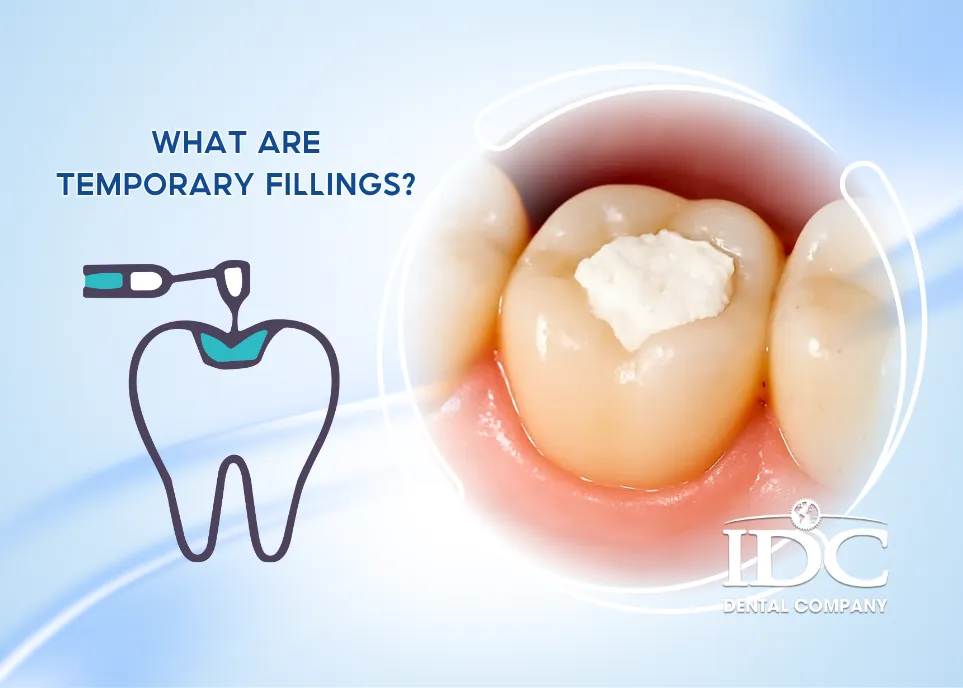
Temporary fillings are short-term dental restorations used to protect a tooth until a permanent treatment can be completed. They help seal the tooth, reduce sensitivity, and prevent bacteria from entering treated areas.
Dentists commonly use temporary fillings after root canal treatment, during emergency dental care, or while patients wait for a permanent crown or restoration. Although they are not designed to last long-term, temporary fillings play an important role in protecting the tooth and supporting the healing process.
In this guide, you’ll learn what temporary fillings are, when they are used, how long they last, and how to care for them properly.
What Are Temporary Fillings?
A temporary filling is a dental material placed inside a tooth to provide short-term protection before a permanent restoration is completed.
Unlike permanent fillings, which are designed to last for years, temporary fillings are intended to remain in place for a limited period. They help seal the tooth, reduce sensitivity, and protect the underlying structure from food debris, saliva, and bacteria.
Dentists often use temporary fillings as part of a larger treatment plan rather than as a final solution.
Why Do Dentists Use Temporary Fillings?
Temporary fillings serve several important purposes.
Protecting a Tooth Between Appointments
Many dental procedures require more than one visit. A temporary filling protects the tooth until the final restoration is ready.
After Root Canal Treatment
During root canal therapy, dentists remove infected pulp tissue from inside the tooth. A temporary filling is often placed to seal the tooth between treatment stages.
Emergency Dental Care
If a patient experiences a cracked tooth, lost filling, or severe cavity, a temporary filling may be used to stabilize the tooth until definitive treatment can be performed.
Waiting for a Crown
Dental crowns are often fabricated in a dental laboratory. While waiting for the permanent crown, a temporary restoration protects the prepared tooth.
Managing Deep Tooth Decay
When decay is extensive, dentists may place medication inside the tooth and cover it with a temporary filling before completing the final restoration.
Types of Temporary Filling Materials
Several materials can be used for temporary fillings.
Zinc Oxide Eugenol (ZOE)
This material has soothing properties and is commonly used after root canal treatment. It helps reduce discomfort and protects sensitive tissues.
Glass Ionomer Cement
Glass ionomer releases fluoride, which can help protect against future decay. It is often used for temporary restorations and pediatric dentistry.
Composite-Based Temporary Materials
These materials offer improved aesthetics and durability compared to traditional temporary filling materials.
Temporary Cement
Temporary cement is commonly used to secure temporary crowns and bridges while waiting for permanent restorations.
The choice of material depends on the tooth’s condition, treatment goals, and expected duration of use.
When Might You Need a Temporary Filling?
There are many situations where a temporary filling may be recommended.
Following Root Canal Therapy
A temporary filling protects the treated tooth until a permanent crown or filling can be placed.
After Removing Decay
If a dentist wants to monitor a tooth before completing treatment, a temporary filling may be used.
During Crown Procedures
A temporary filling or temporary crown protects the tooth while the permanent restoration is being fabricated.
Emergency Dental Treatment
Temporary fillings can help alleviate pain and prevent further damage after trauma or tooth fractures.
While Traveling
Patients who experience dental problems while traveling may receive temporary treatment until they can return to their regular dentist.
How Is a Temporary Filling Placed?
The procedure is typically simple and quick.
Examination and Diagnosis
The dentist evaluates the tooth using visual examination and dental X-rays if necessary.
Cleaning the Tooth
Any decay, infection, or damaged tissue is removed before the filling is placed.
Applying the Material
The temporary filling material is inserted into the tooth and shaped appropriately.
Bite Adjustment
The dentist checks your bite to ensure comfort and proper function.
Post-Treatment Instructions
Patients receive guidance on eating, oral hygiene, and follow-up appointments.
How Long Do Temporary Fillings Last?
The lifespan of a temporary filling depends on the material used and the location of the tooth.
In most cases, temporary fillings last:
- A few days to several weeks
- One to three months in some situations
- Longer in specific cases under dental supervision
However, temporary fillings are not intended to serve as permanent restorations.
Factors Affecting Longevity
Several factors influence how long a temporary filling lasts:
- Size of the filling
- Location of the tooth
- Chewing habits
- Oral hygiene practices
- Type of filling material
The longer a temporary filling remains in place, the greater the risk of wear, leakage, or failure.
What Should You Avoid with a Temporary Filling?
Proper care helps extend the life of a temporary filling.
Hard Foods
Avoid chewing ice, nuts, hard candy, and similar foods.
Sticky Foods
Caramel, chewing gum, and sticky candies can pull out temporary fillings.
Excessive Pressure
Try not to chew directly on the treated tooth whenever possible.
Teeth Grinding
Bruxism can weaken or dislodge temporary restorations.
Poor Oral Hygiene
Neglecting oral hygiene increases the risk of bacterial contamination.
How to Care for a Temporary Filling
Taking care of your temporary filling is essential.
Brush Gently
Continue brushing twice daily using a soft-bristle toothbrush.
Floss Carefully
Instead of lifting floss upward, slide it out sideways to reduce the risk of dislodging the filling.
Use Antibacterial Mouthwash
A dentist may recommend an antimicrobial rinse to reduce bacterial buildup.
Follow All Instructions
Every case is unique, so always follow your dentist’s recommendations.
Attend Follow-Up Visits
Temporary fillings are only part of the treatment process and should be replaced as scheduled.
Signs Your Temporary Filling Needs Attention
While temporary fillings are effective, problems can occasionally occur.
The Filling Falls Out
This is one of the most common issues and should be addressed promptly.
Tooth Sensitivity
Mild sensitivity is normal, but persistent or severe discomfort may indicate a problem.
Cracks or Damage
Visible damage can allow bacteria to enter the tooth.
Swelling
Swelling around the tooth or gums may indicate infection.
Pain While Chewing
This may suggest the filling is loose or the bite requires adjustment.
What Happens If a Temporary Filling Falls Out?
A lost temporary filling should not be ignored.
Without protection, the tooth becomes vulnerable to:
- Bacterial contamination
- Food debris accumulation
- Increased sensitivity
- Further damage
- Infection
If a temporary filling falls out:
- Keep the area clean.
- Avoid chewing on the affected side.
- Contact your dentist as soon as possible.
- Schedule an appointment for replacement.
Prompt treatment can help prevent complications.
Temporary Fillings vs Permanent Fillings
Durability
Permanent fillings are designed to last for many years, while temporary fillings are intended for short-term use.
Strength
Permanent materials are stronger and more resistant to wear.
Aesthetics
Permanent fillings generally provide superior cosmetic results.
Function
Temporary fillings protect the tooth temporarily, whereas permanent fillings fully restore long-term function.
Cost
Temporary fillings are often less expensive initially but are not a substitute for permanent treatment.
Are Temporary Fillings Safe?
Yes. Modern temporary filling materials are considered safe and widely used in dentistry.
Most patients experience no significant complications.
Possible side effects include:
- Mild sensitivity
- Temporary discomfort
- Rare allergic reactions
Patients with known allergies should inform their dentist before treatment.
Temporary fillings are routinely used in both adults and children and have an excellent safety record.
How Much Do Temporary Fillings Cost?
The cost of a temporary filling varies depending on:
- Country
- Clinic location
- Complexity of treatment
- Material used
- Whether additional procedures are required
In many cases, the cost of a temporary filling is included within a larger treatment plan, such as root canal therapy or crown placement.
Patients should discuss fees and treatment options with their dentist before proceeding.
Frequently Asked Questions About Temporary Fillings
Can I Eat After Getting a Temporary Filling?
Yes, but wait until the material has fully set. Follow your dentist’s instructions regarding eating and drinking.
Is Some Sensitivity Normal?
Mild sensitivity is common for a few days after treatment.
Can a Temporary Filling Become Permanent?
No. Temporary fillings are not designed to provide long-term durability or protection.
What Happens If I Delay Permanent Treatment?
Delaying treatment can increase the risk of leakage, infection, and restoration failure.
Can I Brush and Floss Normally?
Yes, but use gentle techniques and avoid placing excessive force on the filling.
When Should a Temporary Filling Be Replaced?
A temporary filling should be replaced according to your dentist’s recommended schedule.
Delaying replacement can lead to:
- Bacterial leakage
- Tooth decay
- Fractures
- Infection
- Additional treatment costs
Completing your treatment plan on time is the best way to protect your oral health and avoid complications.




 WhatsApp