
Gum Treatment in Da Nang is essential for maintaining healthy gums, protecting your natural teeth, and supporting long-term oral health. Symptoms such as bleeding gums, swelling, gum recession, or persistent bad breath may indicate gum disease and should not be ignored.
Professional gum treatment can remove plaque and tartar, control infection, reduce inflammation, and help prevent tooth loss.
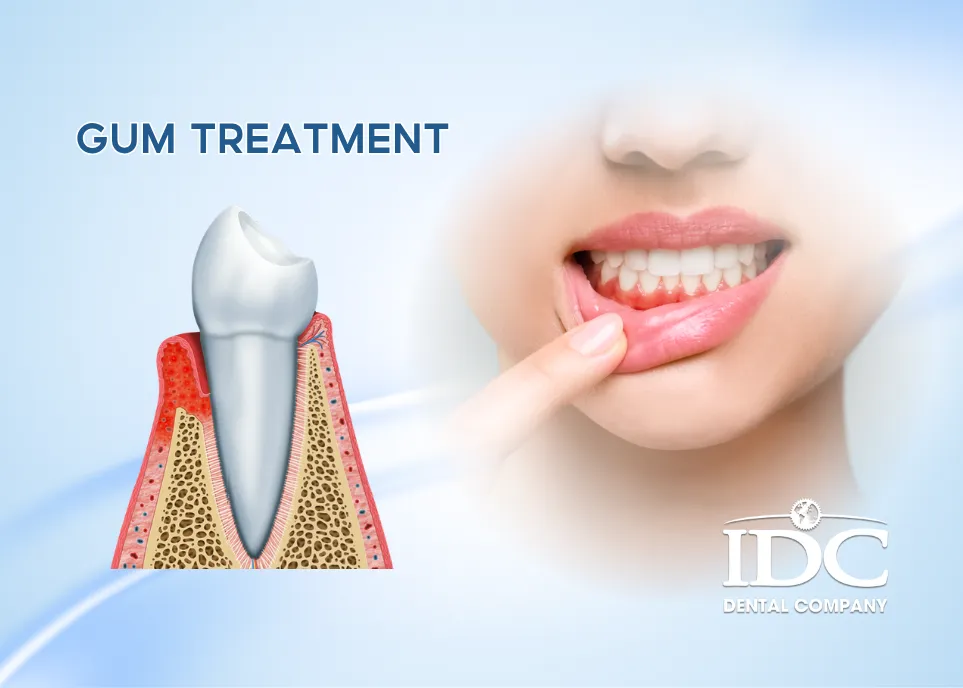
At IDC Dental in Da Nang, patients receive a comprehensive gum examination and a personalized treatment plan tailored to their individual oral health needs.
What Is Gum Disease?
Gum disease is an inflammatory condition that affects the tissues surrounding and supporting the teeth. It usually begins when dental plaque accumulates along the gumline.
Plaque is a sticky layer containing bacteria. When it is not removed effectively through brushing, interdental cleaning, and professional dental care, it may harden into tartar. Tartar cannot usually be removed with a regular toothbrush and may continue to irritate the gums.
As inflammation develops, the gums may become red, swollen, tender, or prone to bleeding. In more advanced cases, the gums may separate from the teeth and form periodontal pockets where additional bacteria can collect.
Understanding Healthy Gums
Healthy gums are generally firm, comfortable, and closely fitted around the teeth. Their natural color may vary between individuals, but they should not bleed regularly during brushing or flossing.
Healthy gum tissue helps protect the roots of the teeth and supports a stable environment around each tooth. It also forms an important barrier against harmful bacteria.
What Happens During Gum Disease?
When plaque and tartar remain around the teeth, bacteria can trigger inflammation in the gum tissue. The body responds to the infection, causing swelling and bleeding.
If the condition remains limited to the gums, it is known as gingivitis. At this stage, the supporting bone and connective tissue have not usually been permanently damaged.
If inflammation spreads below the gumline, it may develop into periodontitis. Periodontitis can affect the periodontal ligament and jawbone that hold the teeth in place.
Stages of Gum Disease
Gingivitis
Gingivitis is the earliest stage of gum disease. Common symptoms include redness, swelling, bleeding during brushing, and mild tenderness.
With professional cleaning and improved home care, gingivitis can often be controlled and reversed.
Early periodontitis
During early periodontitis, small periodontal pockets may begin to form between the gums and teeth. Mild bone loss may also develop.
Treatment is important at this stage to prevent further progression.
Moderate periodontitis
Moderate periodontitis involves deeper gum pockets and greater damage to the bone and tissues supporting the teeth. Patients may notice gum recession, bad breath, sensitivity, or changes in the way their teeth fit together.
Advanced periodontitis
Advanced periodontitis can cause significant bone loss, loose teeth, discomfort while chewing, gum abscesses, and eventual tooth loss. More complex periodontal treatment may be required.
Common Signs You May Need Gum Treatment
Gum disease does not always cause severe pain in its early stages. For this reason, many people may not realize that a problem is developing.
You should consider scheduling a dental examination if you notice any of the following symptoms.
Bleeding gums
Gums that regularly bleed during brushing, flossing, or eating should not be ignored. Although aggressive brushing can sometimes cause temporary bleeding, frequent bleeding is often associated with gum inflammation.
Swollen or red gums
Inflamed gums may appear swollen, bright red, dark red, or tender. Swelling may affect one area or multiple areas of the mouth.
Persistent bad breath
Bad breath that does not improve with brushing or mouthwash may be caused by bacteria accumulating around the gums or inside periodontal pockets.
Gum recession
Gum recession occurs when the gumline moves away from the crown of the tooth and exposes part of the root. This can make the teeth look longer and may cause sensitivity.
Loose teeth
Loose permanent teeth may indicate significant damage to the supporting bone or periodontal tissues. This symptom requires prompt professional assessment.
Pain while brushing or eating
Tender gums may become uncomfortable during brushing, flossing, or chewing. Pain may also occur if the gum tissue is infected.
Tooth sensitivity
When gum recession exposes the tooth roots, patients may experience sensitivity to cold drinks, hot foods, sweets, or brushing.
What Causes Gum Disease?
Gum disease is usually associated with bacterial plaque, but several factors may increase the likelihood or severity of the condition.
Poor oral hygiene
Inadequate brushing and interdental cleaning allow plaque to remain along the gumline. Over time, plaque may harden into tartar and contribute to inflammation.
Dental plaque and tartar
Plaque can form continuously throughout the day. Once it becomes tartar, professional dental instruments are usually required for removal.
Smoking and tobacco use
Smoking may increase the risk of periodontal disease and can interfere with healing. It may also reduce visible bleeding, which can make gum disease more difficult to notice.
Diabetes
Poorly controlled diabetes may increase susceptibility to infection and affect the body’s ability to heal. Gum inflammation can also make blood sugar management more difficult.
Hormonal changes
Hormonal changes during pregnancy, puberty, menstruation, or menopause can make the gums more sensitive to plaque and inflammation.
Stress
Long-term stress may affect immune function and make it more difficult for the body to respond to infection. Stress may also contribute to poor oral hygiene habits.
Genetic factors
Some individuals may be more susceptible to periodontal disease because of inherited factors, even when they maintain reasonable oral hygiene.
Poorly fitted dental restorations
Crowns, bridges, fillings, or dentures that are difficult to clean may trap food and plaque around the gumline. A dentist can examine whether existing restorations are contributing to gum irritation.
Why Early Gum Treatment Matters
Early treatment can make gum disease easier to manage and may reduce the need for more complex procedures.
Preventing tooth loss
Periodontal disease is a major cause of tooth loss in adults. Treating inflammation before extensive bone loss occurs can help preserve natural teeth.
Protecting jawbone health
The bone surrounding the teeth provides stability and support. Periodontitis can gradually destroy this bone if the infection is not controlled.
Improving comfort and confidence
Healthy gums can reduce bleeding, swelling, tenderness, and bad breath. Treatment may also improve the appearance of the gumline and help patients feel more confident when smiling.
Reducing future treatment needs
Managing gingivitis early is generally simpler than treating advanced periodontitis. Early care may reduce the need for gum surgery, bone grafting, tooth extraction, or tooth replacement.
Gum Treatment Options in Da Nang
The most appropriate treatment depends on the type and severity of gum disease. A dentist or periodontal professional will usually begin with an examination before recommending treatment.
Professional dental examination
The dentist examines the gums, teeth, bite, and existing dental restorations. Symptoms such as bleeding, swelling, recession, tooth mobility, and plaque accumulation are assessed.
Periodontal assessment
A small measuring instrument may be used to evaluate the space between the teeth and gums. Deeper measurements may indicate periodontal pocket formation.
Dental X-rays
X-rays may be recommended to assess the bone surrounding the teeth and identify areas of bone loss that are not visible during a standard examination.
Professional teeth cleaning
For mild gum inflammation, professional cleaning may be used to remove plaque, tartar, and surface stains from the teeth.
This treatment is often combined with advice on brushing technique, interdental cleaning, and daily plaque control.
Scaling and root planing
Scaling and root planing is a deep cleaning procedure used to treat periodontal disease.
Scaling removes plaque and tartar from above and below the gumline. Root planing smooths contaminated root surfaces, helping the gums heal and reattach more closely to the teeth.
The procedure may be completed in one or several visits, depending on the number of areas affected.
Medication and antibacterial therapy
In selected cases, the dentist may recommend an antibacterial mouth rinse, local medication, or antibiotics. Medication is generally used as part of a broader treatment plan rather than as a substitute for professional cleaning.
Periodontal maintenance
After active treatment, regular periodontal maintenance helps control bacterial buildup and monitor gum health.
Patients with a history of periodontitis may require more frequent professional cleaning than patients with healthy gums.
Gum surgery
Surgical treatment may be considered when deep periodontal pockets remain after non-surgical care or when significant tissue damage is present.
Procedures may include pocket reduction surgery, gum grafting, bone grafting, or regenerative treatment.
Laser gum treatment
Some dental clinics may use dental lasers as part of periodontal care. The suitability of laser treatment depends on the patient’s condition, the equipment available, and the dentist’s clinical judgment.
What Happens During a Gum Treatment Appointment?
Understanding the process can help patients feel more comfortable before treatment.
Initial consultation
The dentist asks about symptoms, oral hygiene habits, medical conditions, medications, smoking, previous dental treatment, and other factors that may affect gum health.
Clinical examination
The teeth and gums are examined carefully. The dentist may check for bleeding, plaque, tartar, gum recession, periodontal pockets, tooth movement, and bite changes.
Diagnosis
The dentist determines whether the patient has gingivitis, periodontitis, gum recession, a localized infection, or another condition affecting the gums.
Personalized treatment plan
A treatment plan is prepared based on the findings. It may include professional cleaning, deep cleaning, periodontal maintenance, restorative correction, medication, or referral for advanced periodontal care.
Active treatment
During treatment, plaque and tartar are removed from the affected areas. Local anesthesia may be used during deep cleaning to improve comfort.
Home care instructions
Patients may receive guidance on brushing, flossing, interdental brushes, water flossers, mouth rinses, and other oral hygiene tools.
Follow-up examination
A follow-up visit may be scheduled to evaluate healing and measure whether the periodontal pockets have improved.
How Long Does Gum Treatment Take?
The duration of treatment varies depending on the severity of the condition.
Mild gingivitis
A patient with mild gingivitis may require one professional cleaning appointment followed by improved home care and regular check-ups.
Moderate gum disease
Moderate periodontal disease may require scaling and root planing over several appointments. Follow-up visits are important to assess the response to treatment.
Advanced periodontal disease
Advanced cases may require several stages of care, including deep cleaning, surgery, restorative treatment, or extraction of teeth with a poor prognosis.
Ongoing maintenance
Gum disease can return if plaque and tartar build up again. For this reason, regular periodontal maintenance is an important part of long-term treatment.
Is Gum Treatment Painful?
Many patients are concerned about discomfort during gum treatment. The experience depends on the severity of the disease and the type of procedure performed.
Routine professional cleaning may cause mild sensitivity, especially when the gums are inflamed. Deep cleaning is often performed with local anesthesia to numb the treatment area.
After scaling and root planing, the gums may feel tender for a short period. Temporary tooth sensitivity may also occur.
The dentist may recommend appropriate pain relief, gentle brushing, warm saltwater rinses, or dietary adjustments during recovery.
Patients should contact the clinic if they experience severe pain, increasing swelling, fever, or other unexpected symptoms.
Gum Treatment Recovery and Aftercare
Good aftercare supports healing and helps reduce the risk of gum disease returning.
Brush gently but thoroughly
Patients should continue brushing according to the dentist’s instructions. A soft-bristled toothbrush may be more comfortable while the gums are healing.
Clean between the teeth
Floss, interdental brushes, or a water flosser may be recommended to clean areas that a toothbrush cannot reach.
Follow mouth rinse instructions
If an antibacterial mouth rinse is prescribed, it should be used according to professional instructions.
Choose soft foods when necessary
After deep cleaning or gum surgery, soft foods may be more comfortable. Examples include soup, yogurt, eggs, rice, soft vegetables, oatmeal, and smoothies that are not excessively cold.
Avoid irritating foods
Very spicy, hard, sticky, acidic, or extremely hot foods may irritate sensitive gums during the early recovery period.
Avoid smoking
Smoking can delay healing and increase the risk of periodontal disease progression. Patients are encouraged to stop smoking before and after treatment.
Attend follow-up visits
Follow-up appointments allow the dentist to monitor healing and determine whether additional treatment is required.
How to Prevent Gum Disease
Although not every case can be completely prevented, consistent oral hygiene and professional dental care can significantly reduce the risk.
Brush twice a day
Brush for approximately two minutes using fluoride toothpaste. Pay attention to the gumline, back teeth, and other areas where plaque commonly accumulates.
Clean between the teeth daily
A toothbrush cannot fully clean between the teeth. Floss or interdental brushes can help remove plaque from these spaces.
Schedule regular dental cleaning
Professional cleaning helps remove tartar that cannot be eliminated through brushing alone.
Maintain a balanced diet
A nutritious diet supports oral and general health. Limiting frequent sugary snacks and drinks may also reduce the risk of tooth decay.
Avoid tobacco
Avoiding cigarettes and other tobacco products can improve gum health and support healing.
Manage medical conditions
Patients with diabetes or other chronic conditions should follow their physician’s recommendations and inform their dentist about their medical history.
Replace worn dental restorations when necessary
Damaged or poorly fitting restorations may trap plaque. A dentist can evaluate whether replacement or adjustment is needed.
Gum Treatment for International Patients in Da Nang
Da Nang is a popular destination for tourists, expatriates, digital nomads, business travelers, and overseas Vietnamese. Dental problems, however, can develop at any time, including during a trip.
International patients experiencing bleeding gums, swelling, bad breath, tenderness, or tooth mobility may benefit from arranging a dental examination during their stay.
English-speaking dental support
Clear communication is especially important when discussing diagnosis, treatment options, expected results, costs, possible risks, and aftercare.
An English-speaking dental team can help international patients understand their condition before making treatment decisions.
Convenient appointments
Depending on availability and treatment complexity, appointments may be arranged around the patient’s travel schedule.
Transparent treatment planning
Before treatment begins, patients should receive a clear explanation of the recommended procedures, estimated number of visits, expected costs, and follow-up requirements.
Suitable treatment during a short stay
Professional cleaning, gum examination, and some non-surgical periodontal treatments may be possible during a short visit. Advanced treatment may require additional appointments or continued care after returning home.
Patients should inform the dentist of their departure date so the treatment plan can be organized appropriately.
Why Choose IDC Dental for Gum Treatment in Da Nang?
Choosing the right dental clinic is important for accurate diagnosis, comfortable treatment, and long-term gum care.
At IDC Dental in Da Nang, patients can receive a comprehensive examination before treatment is recommended.
The dental team focuses on identifying the cause and severity of gum inflammation rather than treating only the visible symptoms. Each treatment plan is personalized according to the patient’s gum condition, oral hygiene, medical history, existing restorations, and long-term dental needs.
International patients can also receive support in English, helping them understand the proposed treatment, estimated costs, possible alternatives, and aftercare instructions.
IDC Dental aims to provide a comfortable environment for both local and overseas patients seeking professional gum treatment in Da Nang.



 WhatsApp