
Root canal therapy is one of the most effective treatments for saving a damaged or infected tooth. Although many people associate root canals with pain, modern Root Canal Therapy is designed to relieve discomfort, eliminate infection, and preserve your natural tooth.
When the dental pulp inside a tooth becomes infected, it can cause severe pain, sensitivity, swelling, or even a dental abscess. Without prompt treatment, the infection may spread and eventually lead to tooth loss. Root Canal Therapy removes the infected tissue, disinfects the root canals, and restores the tooth to protect its function and appearance.
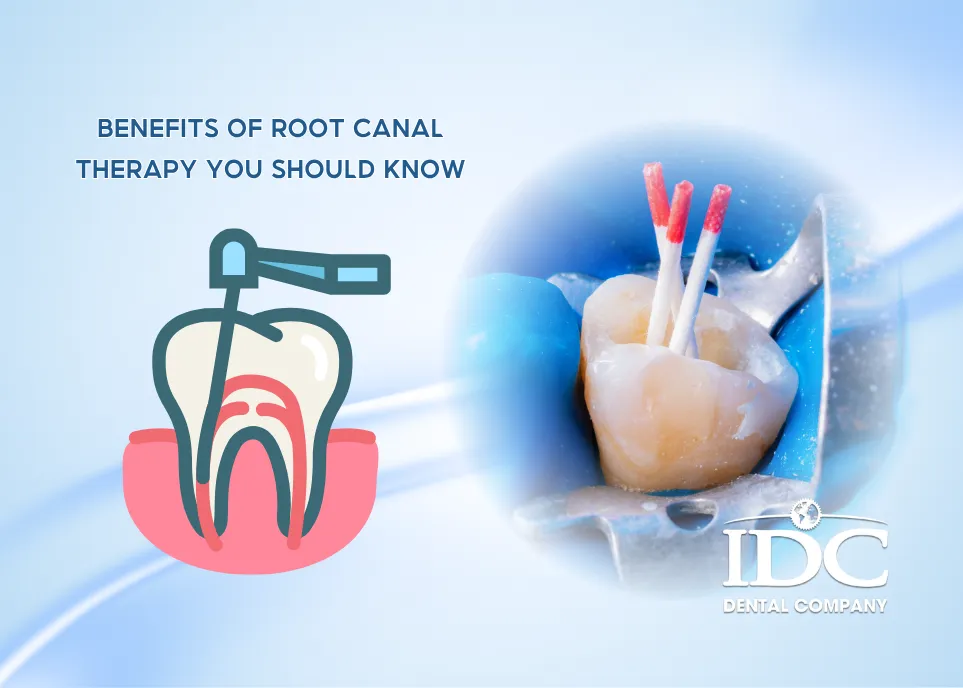
Understanding the benefits of Root Canal Therapy can help you make informed decisions and protect your long-term oral health.
What is root canal therapy?
Root Canal Therapy, also known as endodontic treatment, is a dental procedure used to treat infection or inflammation inside a tooth. The inside of each tooth contains pulp tissue, which includes nerves, blood vessels, and connective tissue. This pulp is important during tooth development, but once the tooth is fully mature, it can survive without the pulp if the surrounding tissues remain healthy.
A root canal becomes necessary when bacteria reach the pulp due to deep decay, cracked teeth, repeated dental procedures, trauma, or untreated cavities. Once the pulp becomes infected, it cannot heal on its own. Without treatment, the infection can spread beyond the tooth root and cause pain, swelling, bone loss, or abscess formation.
During Root Canal Therapy, the dentist removes the infected pulp, cleans and disinfects the canals, fills the space with a biocompatible material, and seals the tooth. In many cases, a dental crown is recommended afterward to strengthen the treated tooth and protect it from fracture.
Common signs that you may need Root Canal Therapy include persistent tooth pain, sensitivity to hot or cold, pain when biting or chewing, swollen gums, tooth discoloration, a pimple-like bump on the gum, or recurring infection around the same tooth.
7 Benefits of root canal therapy you should know
Benefit #1: Saves your natural tooth
One of the most important benefits of Root Canal Therapy is that it allows you to keep your natural tooth. Whenever possible, saving a natural tooth is usually better than removing it. Your natural teeth are designed to work together for chewing, speaking, and maintaining proper bite alignment.
When a tooth is extracted, the space left behind can create several long-term problems. Neighboring teeth may begin to shift into the empty space, which can affect your bite and make chewing less efficient. A missing tooth can also lead to bone loss in the jaw because the bone no longer receives stimulation from the tooth root.
Root Canal Therapy helps avoid these problems by preserving the tooth structure. After treatment and proper restoration, the tooth can continue to function like a normal tooth. This helps maintain your natural bite, facial balance, and overall oral health.
Saving a tooth also helps preserve confidence. Many patients feel relieved knowing that they do not have to lose a tooth because of infection. Instead of choosing extraction, Root Canal Therapy offers a conservative and long-term solution.
Benefit #2: Eliminates Tooth Pain and Infection
Many patients associate root canals with pain, but the truth is that Root Canal Therapy is performed to relieve pain, not cause it. The severe pain often comes from the infected or inflamed pulp inside the tooth. Once the infected tissue is removed and the canals are cleaned, the source of pain is eliminated.
An infected tooth can cause throbbing pain, sharp pain when biting, sensitivity that lingers after hot or cold drinks, and discomfort that may spread to the jaw, ear, or head. In some cases, the pain may come and go, but the infection usually continues to progress.
Root Canal Therapy removes bacteria and infected tissue from inside the tooth. This helps stop the infection and allows the surrounding tissues to heal. After treatment, most patients experience significant pain relief and improved comfort.
Treating the infection early also reduces the risk of dental abscesses. An abscess is a pocket of pus that forms when bacteria spread beyond the tooth root. It can cause swelling, fever, bad taste, and serious discomfort. Root Canal Therapy helps prevent this condition from becoming worse.
Benefit #3: Restores Normal Chewing Function
A painful or infected tooth can make eating difficult. Many patients avoid chewing on one side of the mouth because the affected tooth feels sensitive or painful. Over time, this can place extra pressure on other teeth and create an imbalanced bite.
Root Canal Therapy helps restore normal chewing function by removing the infection and stabilizing the tooth. Once the tooth is properly restored with a filling or crown, patients can usually return to eating comfortably.
Being able to chew properly is important for digestion, nutrition, and quality of life. When you avoid certain foods because of tooth pain, your diet may become limited. After treatment, you can enjoy a wider variety of foods without constant discomfort.
A restored tooth also helps maintain proper bite force. Every tooth plays a role in distributing chewing pressure. Preserving the tooth through Root Canal Therapy helps keep your bite balanced and protects other teeth from unnecessary stress.
Benefit #4: Prevents Infection from Spreading
Dental infections should never be ignored. When bacteria infect the pulp of a tooth, the infection can spread through the root canals and into the surrounding bone or gum tissue. If untreated, it may affect nearby teeth and create more complex oral health problems.
Root Canal Therapy prevents the infection from spreading by removing bacteria from inside the tooth and sealing the canals. This stops the infection at its source and helps protect the surrounding structures.
Preventing infection spread is especially important for patients with weakened immune systems, gum disease, or other health conditions. A dental infection can become more serious if bacteria enter deeper tissues or the bloodstream.
By treating the tooth early, Root Canal Therapy helps reduce the need for more invasive procedures in the future. Instead of waiting until the infection becomes severe, timely treatment can protect your smile and your overall well-being.
Benefit #5: Improves the Appearance of Your Smile
A tooth that needs Root Canal Therapy may become dark, cracked, worn, or damaged. Infection and trauma can affect the color and structure of the tooth, making it stand out from the rest of your smile.
After Root Canal Therapy, the tooth is often restored with a dental crown or permanent filling. A crown can improve the tooth’s shape, color, strength, and appearance. Modern dental crowns are designed to look natural and blend with surrounding teeth.
This is especially important for front teeth or visible areas of the smile. Instead of leaving a damaged tooth untreated or removing it, Root Canal Therapy followed by cosmetic restoration can help maintain a natural-looking smile.
A healthy-looking smile can improve self-confidence. Patients often feel more comfortable speaking, laughing, and smiling after their tooth has been treated and restored.
Benefit #6: A Cost-Effective Long-Term Solution
Root Canal Therapy can be a cost-effective option compared with tooth extraction and replacement. While extraction may seem cheaper at first, replacing a missing tooth with a dental implant, bridge, or denture can involve additional time, procedures, and expenses.
When a natural tooth can be saved, Root Canal Therapy may help patients avoid the higher costs of tooth replacement. It also helps prevent complications caused by missing teeth, such as shifting teeth, bite problems, and bone loss.
With proper care, a root canal-treated tooth can last for many years. Good oral hygiene, regular dental check-ups, and a well-made restoration can help extend the life of the tooth.
The long-term value of Root Canal Therapy comes from preserving what you already have: your natural tooth. Instead of starting over with a replacement option, the treatment supports your existing dental structure and function.
Benefit #7: Modern Root Canal Therapy Is Comfortable
One of the biggest myths about Root Canal Therapy is that it is extremely painful. Modern dentistry has changed this experience significantly. With advanced local anesthesia, digital imaging, rotary instruments, and improved techniques, root canal procedures are now much more comfortable and efficient than many patients expect.
Before treatment begins, the dentist numbs the area carefully so you should not feel pain during the procedure. You may feel pressure or vibration, but the goal is to keep you comfortable throughout the appointment.
Modern technology also helps dentists diagnose the tooth more accurately and clean the canals more effectively. This improves treatment precision and reduces unnecessary discomfort.
After the procedure, mild soreness or tenderness may occur for a few days, especially if there was infection before treatment. However, this discomfort is usually manageable and temporary. Most patients can return to normal daily activities soon after treatment.
What happens if you delay root Canal Therapy?
Delaying Root Canal Therapy can allow the infection to become worse. A small problem may turn into severe pain, swelling, abscess, or tooth loss. In some cases, the infection can spread to surrounding bone and soft tissue, making treatment more complicated.
When treatment is delayed, the tooth may become too damaged to save. At that stage, extraction may be the only option. Replacing the missing tooth later may require a dental implant, bridge, or denture, which can take more time and cost more money.
Early treatment is always better. If you notice persistent tooth pain, swelling, sensitivity, or signs of infection, it is important to visit a dentist as soon as possible.
Recovery After Root Canal Therapy
Recovery after Root Canal Therapy is usually straightforward. Some tenderness is normal for a few days, especially when biting or chewing. Your dentist may recommend avoiding hard foods until the tooth is fully restored.
After treatment, it is important to keep the area clean by brushing and flossing gently. If a temporary filling is placed, avoid chewing hard or sticky foods on that side until the final restoration is completed.
In many cases, a crown is recommended to protect the tooth after Root Canal Therapy. This is especially common for molars and premolars, which handle strong chewing forces. A crown helps prevent cracks and improves long-term durability.
You should contact your dentist if you experience severe pain, swelling, allergic reactions, or if the temporary filling falls out.
How to prevent the need for root canal therapy
Although Root Canal Therapy is an effective treatment, prevention is always better. You can reduce your risk by maintaining good oral hygiene, brushing twice daily, flossing every day, and visiting your dentist regularly.
Treating cavities early is one of the best ways to prevent infection from reaching the pulp. Small cavities can often be repaired with simple fillings, but untreated decay may progress deep into the tooth.
You should also protect your teeth from injury. If you play sports, wear a mouthguard. If you grind your teeth at night, ask your dentist about a nightguard. Cracks and trauma can allow bacteria to enter the tooth and cause pulp infection.
Why Choose IDC Danang Dental Clinic for Root Canal Therapy?
If you are experiencing tooth pain or signs of infection, choosing the right dental clinic is essential. IDC Danang Dental Clinic provides patient-centered dental care for both local and international patients in Da Nang.
The clinic offers comprehensive diagnosis, digital imaging, modern equipment, and gentle treatment planning to help patients feel comfortable throughout the process. For international visitors, the English-speaking team can support clear communication, explain treatment options, and provide guidance before, during, and after the procedure.
IDC Danang Dental Clinic also provides restorative care after Root Canal Therapy, including dental fillings and crowns, helping protect the treated tooth and restore natural function. With a focus on comfort, safety, and long-term oral health, IDC Danang is a reliable choice for patients who want to save their natural teeth and restore a healthy smile.
Frequently asked questions about root canal therapy
Is Root Canal Therapy painful?
Modern Root Canal Therapy is usually comfortable because the tooth and surrounding area are numbed before treatment. The procedure is intended to remove pain caused by infection.
How long does Root Canal Therapy take?
The time depends on the tooth and the severity of infection. Some cases can be completed in one visit, while others may require two or more appointments.
Do I need a crown after Root Canal Therapy?
Many back teeth need a crown after treatment because they handle heavy chewing forces. A crown helps protect the tooth from fracture and restores strength.
How long does a root canal-treated tooth last?
With proper restoration and good oral care, a root canal-treated tooth can last many years, and in many cases, a lifetime.
Is extraction better than Root Canal Therapy?
Extraction may be necessary if the tooth cannot be saved. However, when possible, preserving the natural tooth through Root Canal Therapy is often the preferred option.


 WhatsApp