
Periodontal disease, commonly known as gum disease, is a common oral health condition and one of the leading causes of tooth loss in adults. Because it often develops gradually with few or no early symptoms, many people do not realize they have the disease until significant damage has occurred.
If left untreated, periodontal disease can damage the gums, supporting tissues, and jawbone, leading to loose teeth and eventual tooth loss. It has also been associated with certain systemic health conditions, including diabetes and cardiovascular disease.
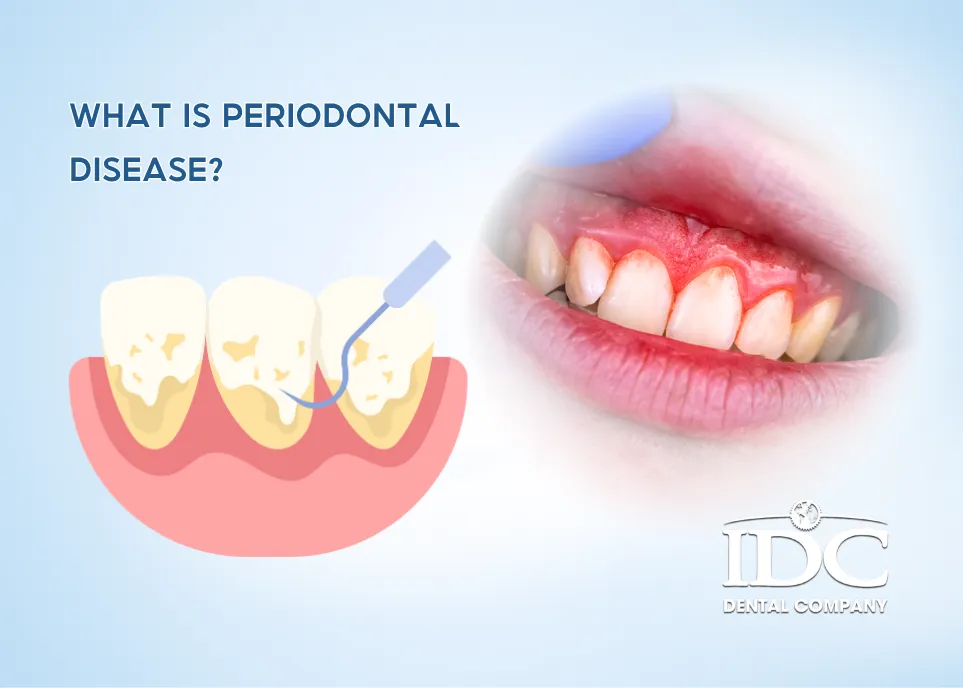
The good news is that periodontal disease is largely preventable. With early diagnosis, professional treatment, and proper oral hygiene, it can be effectively managed. This guide explains the causes, symptoms, stages, treatment options, and practical ways to protect your gum health.
What Is Periodontal Disease?
Periodontal disease is a chronic inflammatory condition caused primarily by bacteria found in dental plaque. It affects the tissues surrounding and supporting the teeth, including the gums, periodontal ligament, cementum, and jawbone.
Many people confuse gingivitis and periodontitis, but they are not the same condition.
- Gingivitis is the earliest stage of gum disease. At this point, inflammation is limited to the gums and can usually be reversed with proper treatment.
- Periodontitis is the advanced stage where infection spreads deeper, causing irreversible damage to the bone and supporting tissues around the teeth.
Without treatment, periodontal disease progresses over time and may eventually result in permanent tooth loss.
What Causes Periodontal Disease?
The primary cause of periodontal disease is the accumulation of bacterial plaque on the teeth and along the gumline. When plaque is not removed through regular brushing and flossing, it hardens into tartar, creating an ideal environment for harmful bacteria.
Several factors increase the risk of developing periodontal disease.
Poor Oral Hygiene
Inadequate brushing and flossing allow plaque and bacteria to accumulate daily, increasing inflammation around the gums.
Smoking and Tobacco Use
Smoking significantly reduces blood flow to the gums, weakens the immune response, and slows healing after dental treatment. Smokers are several times more likely to develop severe periodontitis.
Diabetes
People with poorly controlled diabetes are more susceptible to infections, including gum disease. At the same time, severe periodontal disease can make blood sugar levels more difficult to control.
Genetics
Some individuals are genetically more prone to developing periodontal disease even with relatively good oral hygiene.
Hormonal Changes
Pregnancy, puberty, and menopause can increase gum sensitivity and make inflammation more likely.
Stress
Chronic stress weakens the body’s immune system, making it more difficult to fight bacterial infections.
Certain Medications
Some medications reduce saliva production or cause gum overgrowth, increasing the risk of periodontal problems.
Poor Nutrition
A diet lacking essential vitamins and minerals may reduce the body’s ability to repair inflamed gum tissues.
Stages of Periodontal Disease
Understanding the progression of periodontal disease helps explain why early diagnosis is so important.
Healthy Gums
Healthy gums are firm, pink, and fit tightly around the teeth. They do not bleed during brushing or flossing.
Gingivitis
This is the earliest stage of gum disease.
Common symptoms include:
- Red gums
- Swollen gums
- Bleeding while brushing or flossing
- Mild bad breath
Fortunately, gingivitis is generally reversible with professional cleaning and improved oral hygiene.
Early Periodontitis
If gingivitis remains untreated, bacteria begin invading deeper tissues.
Small periodontal pockets develop between the teeth and gums, allowing bacteria to spread beneath the gumline. Early bone loss may begin during this stage.
Moderate Periodontitis
As the disease progresses, gum pockets become deeper and more difficult to clean.
Patients may experience:
- Noticeable gum recession
- Persistent bad breath
- Increased tooth sensitivity
- Bone loss visible on X-rays
- Slight tooth mobility
Advanced Periodontitis
Advanced periodontal disease causes extensive destruction of the supporting bone.
Symptoms may include:
- Loose teeth
- Pain while chewing
- Severe gum recession
- Tooth migration
- Pus around the gums
- Tooth loss
At this stage, complex periodontal treatment or tooth replacement may be necessary.
Common Symptoms of Periodontal Disease
Many people experience symptoms without realizing they indicate gum disease.
Warning signs include:
- Bleeding gums during brushing or flossing
- Red, swollen, or tender gums
- Persistent bad breath
- Gum recession
- Teeth appearing longer
- Sensitive teeth
- Pain while chewing
- Loose or shifting teeth
- Pus between teeth and gums
- Changes in the way teeth fit together
If you notice any of these symptoms, it is important to schedule a dental examination promptly.
How Is Periodontal Disease Diagnosed?
A dentist can diagnose periodontal disease through a comprehensive oral examination.
The evaluation typically includes:
Clinical Examination
The dentist checks the color, texture, and health of the gums while looking for signs of inflammation or recession.
Periodontal Probing
A periodontal probe measures the depth of the spaces between the teeth and gums.
Healthy pockets usually measure between 1 and 3 millimeters. Deeper pockets often indicate periodontal disease.
Dental X-rays
Digital X-rays help identify bone loss around the teeth that cannot be seen during a visual examination.
Medical History
Your dentist may review your medical conditions, medications, smoking history, and other risk factors before recommending treatment.
Why Is Periodontal Disease Dangerous?
Many people believe gum disease only affects the gums. In reality, untreated periodontitis can have serious long-term consequences.
Potential complications include:
- Permanent bone loss
- Tooth mobility
- Tooth loss
- Difficulty eating
- Speech problems
- Chronic oral infection
- Reduced confidence due to changes in appearance
Replacing missing teeth often requires more extensive treatments such as dental implants or bridges.
Can Periodontal Disease Affect Overall Health?
Growing scientific evidence suggests that periodontal disease may influence overall health through chronic inflammation.
Research has found associations between periodontal disease and:
Diabetes
Gum inflammation may make blood sugar levels more difficult to control, while diabetes increases the risk of severe gum disease.
Heart Disease
Chronic inflammation and bacteria from periodontal infections may contribute to cardiovascular problems.
Stroke
Some studies suggest individuals with severe gum disease have an increased risk of stroke.
Pregnancy Complications
Untreated periodontal disease has been associated with premature birth and low birth weight in some pregnancies.
Respiratory Diseases
Oral bacteria may be inhaled into the lungs, increasing the risk of respiratory infections in vulnerable individuals.
Although periodontal disease does not directly cause these conditions, maintaining healthy gums contributes to better overall health.
Treatment Options for Periodontal Disease
Treatment depends on the severity of the disease.
Professional Dental Cleaning
For patients with gingivitis, professional cleaning removes plaque and tartar above and below the gumline, allowing the gums to heal.
Scaling and Root Planing
Often called deep cleaning, scaling and root planing removes bacteria and tartar from beneath the gums while smoothing the tooth roots to encourage gum reattachment.
This treatment is considered the gold standard for managing early and moderate periodontitis.
Antibiotic Therapy
Your dentist may prescribe local or systemic antibiotics to reduce bacterial infection in selected cases.
Laser Periodontal Therapy
Some clinics use dental lasers to remove infected tissue with minimal discomfort and promote healing.
Periodontal Surgery
Advanced cases may require surgery.
Procedures may include:
- Flap surgery
- Bone grafting
- Soft tissue grafting
- Guided tissue regeneration
These treatments aim to restore damaged tissues and improve long-term tooth stability.
Dental Implants
If teeth cannot be saved, dental implants provide a durable and natural-looking replacement option after periodontal disease has been successfully controlled.
Caring for Your Gums at Home
Professional treatment works best when combined with excellent home care.
Daily recommendations include:
- Brush twice daily using fluoride toothpaste.
- Floss every day.
- Clean between teeth with interdental brushes if recommended.
- Use antibacterial mouthwash when appropriate.
- Replace your toothbrush every three months.
- Eat a balanced diet rich in vitamins.
- Drink plenty of water.
- Avoid smoking and tobacco products.
Consistency is the key to maintaining healthy gums.
Can Periodontal Disease Be Cured?
The answer depends on the stage of the disease.
Gingivitis is generally reversible because no permanent damage has occurred.
Periodontitis, however, cannot be completely reversed once bone loss has developed. Nevertheless, it can be successfully controlled through professional treatment and ongoing maintenance.
Patients who attend regular periodontal maintenance appointments and maintain excellent oral hygiene often keep their teeth healthy for many years.
How to Prevent Periodontal Disease
Prevention is always easier than treatment.
Simple preventive measures include:
- Brush your teeth twice every day.
- Floss daily.
- Visit your dentist every six months.
- Have professional dental cleanings regularly.
- Stop smoking.
- Control diabetes effectively.
- Eat a nutritious diet.
- Replace damaged dental restorations when necessary.
Regular dental checkups allow gum disease to be detected before irreversible damage occurs.
When Should You See a Dentist?
Schedule a dental examination if you experience:
- Bleeding gums
- Persistent bad breath
- Swollen gums
- Gum recession
- Loose teeth
- Tooth sensitivity
- Pain while chewing
- Pus around the gums
Early treatment offers the best chance of preserving your natural teeth.
Frequently Asked Questions
Is periodontal disease contagious?
The bacteria associated with periodontal disease can be transmitted through saliva, but developing the disease also depends on oral hygiene, immune response, and other individual risk factors.
Can loose teeth become firm again?
In some cases, teeth with mild mobility can become more stable after periodontal treatment if sufficient supporting bone remains.
Does periodontal disease always cause pain?
No. Many patients have advanced periodontal disease without experiencing significant pain, which is why routine dental examinations are so important.
How often should periodontal patients visit the dentist?
Many patients benefit from periodontal maintenance every three to four months, although the exact schedule depends on individual needs.
Why Choose IDC Dental for Periodontal Disease Treatment in Da Nang?
At IDC Danang Dental, periodontal care focuses on preserving your natural teeth through early diagnosis, personalized treatment planning, and evidence-based techniques.
Patients benefit from:
- Experienced dentists with expertise in periodontal care
- Comprehensive digital examinations and X-ray imaging
- Professional scaling and root planing
- Individualized treatment plans based on disease severity
- Comfortable treatment environment
- English-speaking dental team for international patients
- Transparent treatment recommendations and pricing
Whether you are experiencing bleeding gums, persistent bad breath, or advanced periodontitis, the team at IDC Dental is committed to helping you restore healthy gums and maintain your smile for years to come.

 WhatsApp