
Sensitive teeth are a common dental problem that can cause sharp pain when eating hot, cold, sweet, or acidic foods and drinks. This discomfort usually occurs when tooth enamel wears down or the tooth roots become exposed, allowing external stimuli to reach the sensitive nerves inside the tooth.
The good news is that sensitive teeth are often treatable with the right care.
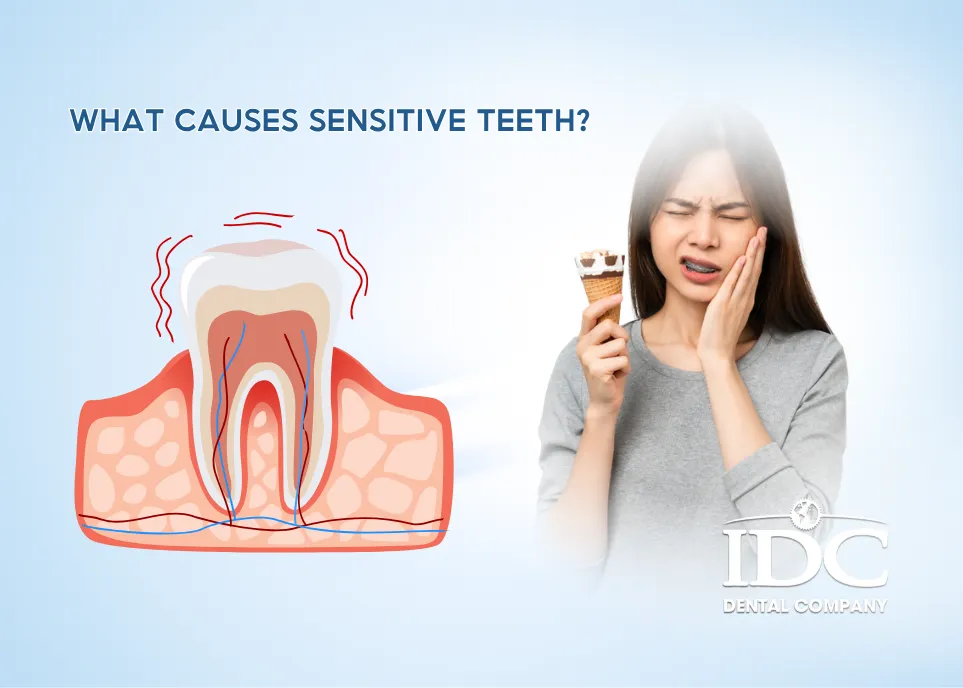
In this guide, you’ll learn what causes sensitive teeth, the common signs and symptoms, effective treatment options, and practical tips to prevent tooth sensitivity and maintain a healthy, pain-free smile.
What Are Sensitive Teeth?
Sensitive teeth refer to discomfort or pain that occurs when your teeth are exposed to certain triggers, such as hot, cold, sweet, acidic, or even cold air. The pain is often sudden, sharp, and temporary, but for some people, it can become frequent enough to interfere with daily life.
Dental professionals commonly refer to this condition as dentin hypersensitivity, which develops when the protective outer layers of the tooth no longer fully shield the inner dentin.
Understanding Tooth Sensitivity
Each tooth is made up of several layers, and each plays an important role in protecting the sensitive nerve tissue inside.
Tooth Enamel
Enamel is the hard outer covering of the crown of your tooth. It is the strongest substance in the human body and acts as a protective barrier against chewing forces, bacteria, acids, and temperature changes.
However, enamel cannot regenerate once it has been worn away.
Dentin
Beneath the enamel lies dentin, a softer tissue filled with thousands of microscopic channels called dentinal tubules.
These tiny tubules connect directly to the tooth’s nerve center.
When dentin becomes exposed, heat, cold, pressure, or certain foods can stimulate these tubules, triggering pain signals.
Tooth Pulp
At the center of every tooth is the pulp, which contains nerves and blood vessels.
Normally, the pulp is well protected by enamel and dentin. When those protective layers become damaged, outside stimuli can reach the nerves more easily, causing tooth sensitivity.
Temporary vs. Chronic Tooth Sensitivity
Not all sensitive teeth are the same.
Temporary Sensitivity
Short-term sensitivity often occurs after:
- Professional teeth whitening
- Dental cleanings
- New fillings
- Crown placement
- Orthodontic treatment
This type of sensitivity usually improves within a few days or weeks.
Chronic Sensitivity
Persistent sensitivity may indicate an underlying dental problem that requires professional treatment.
Common causes include:
- Gum recession
- Tooth decay
- Enamel erosion
- Cracked teeth
- Worn fillings
- Gum disease
- Teeth grinding (bruxism)
If tooth sensitivity lasts longer than a few weeks or becomes more severe, you should schedule a dental examination.
What Causes Sensitive Teeth?
There isn’t a single reason why teeth become sensitive. In fact, tooth sensitivity is usually the result of exposed dentin caused by damage to the protective enamel or gums.
Understanding the underlying cause allows your dentist to recommend the most effective treatment.
Enamel Erosion
One of the most common causes of sensitive teeth is enamel erosion.
Although enamel is incredibly strong, it gradually wears down over time and cannot repair itself once lost.
Common causes of enamel erosion include:
- Frequent consumption of soft drinks
- Citrus fruits and fruit juices
- Sports drinks
- Wine
- Acid reflux (GERD)
- Frequent vomiting
- Excessive consumption of acidic foods
As enamel becomes thinner, temperature changes and certain foods can more easily stimulate the nerves inside the tooth.
Gum Recession
Healthy gums protect the roots of your teeth.
When gums recede, they expose the root surface, which is not covered by enamel.
Because root surfaces contain exposed dentin, they are naturally much more sensitive than the crown of the tooth.
Gum recession may result from:
- Aging
- Aggressive tooth brushing
- Periodontal disease
- Smoking
- Poor oral hygiene
Patients with receding gums often notice discomfort when drinking cold beverages or brushing near the gumline.
Tooth Decay (Cavities)
Even a small cavity can expose the deeper layers of a tooth and trigger sensitivity.
As tooth decay progresses, bacteria penetrate through the enamel into the dentin, making the tooth increasingly sensitive to:
- Cold foods
- Hot drinks
- Sweet foods
- Pressure while chewing
Ignoring early sensitivity caused by cavities may eventually lead to severe pain and infection.
Worn or Damaged Dental Fillings
Old fillings don’t last forever.
Over time they may:
- Crack
- Wear down
- Leak
- Separate from the tooth
When this happens, exposed dentin around the edges of the filling can become sensitive.
Fortunately, replacing damaged fillings often eliminates the discomfort quickly.
Cracked or Chipped Teeth
Small cracks are sometimes difficult to see but can cause significant tooth sensitivity.
A cracked tooth allows temperature changes and bacteria to travel deeper into the tooth, irritating the nerve.
Common causes include:
- Biting hard foods
- Sports injuries
- Accidents
- Teeth grinding
- Large existing fillings
Some patients only notice pain when biting down, while others experience sensitivity to hot or cold temperatures.
Teeth Grinding (Bruxism)
Many people grind or clench their teeth while sleeping without realizing it.
Over time, bruxism gradually wears away enamel, creating flatter biting surfaces and exposing dentin.
Symptoms of teeth grinding often include:
- Sensitive teeth
- Jaw soreness
- Morning headaches
- Worn teeth
- Cracked teeth
If left untreated, bruxism can significantly increase tooth sensitivity and lead to more serious dental problems.
Gum Disease
Gum disease is another common cause of tooth sensitivity.
As periodontal disease progresses, gums pull away from the teeth and expose the roots.
This makes teeth much more responsive to:
- Cold drinks
- Hot beverages
- Sweet foods
- Tooth brushing
Treating gum disease early not only improves gum health but can also reduce tooth sensitivity.
Recent Dental Procedures
It’s completely normal to experience temporary tooth sensitivity after certain dental treatments.
These may include:
- Professional teeth whitening
- Routine dental cleaning
- Dental fillings
- Dental crowns
- Dental veneers
- Orthodontic treatment
- Dental implant procedures
In most cases, this type of sensitivity disappears within a few days as your teeth recover.
Poor Brushing Habits
Brushing your teeth too aggressively can actually damage your teeth over time.
Using a hard-bristled toothbrush or applying excessive pressure may gradually wear away enamel and cause gum recession.
To protect your teeth, dentists recommend:
- Using a soft-bristled toothbrush.
- Brushing gently with small circular motions.
- Avoiding excessive force.
- Replacing your toothbrush every three to four months.
Simple changes to your brushing technique can significantly reduce your risk of developing sensitive teeth in the future.
Common Signs and Symptoms of Sensitive Teeth
Tooth sensitivity can affect one tooth, several teeth, or even your entire mouth. While the discomfort is often temporary, recurring sensitivity should never be ignored because it may indicate an underlying dental problem that requires treatment.
Recognizing the early signs of sensitive teeth can help you seek professional care before the condition becomes more serious.
Sharp Pain When Eating Cold Foods
The most common symptom of sensitive teeth is a sudden, sharp pain when consuming cold foods or beverages.
You may notice discomfort while eating or drinking:
- Ice cream
- Cold water
- Iced coffee
- Frozen desserts
- Smoothies
- Chilled fruit
The pain usually lasts only a few seconds but can be intense enough to make eating uncomfortable.
Sensitivity to Hot Foods and Drinks
Some people experience pain when consuming hot foods or beverages, including:
- Coffee
- Tea
- Soup
- Hot chocolate
This sensitivity may occur because exposed dentin allows temperature changes to reach the nerves inside the tooth more easily.
Pain When Eating Sweet or Acidic Foods
Sugar and acids can stimulate exposed dentinal tubules, causing discomfort.
Common triggers include:
- Candy
- Chocolate
- Soft drinks
- Citrus fruits
- Tomatoes
- Vinegar-based foods
If sweet or acidic foods consistently cause pain, it’s a good idea to schedule a dental examination.
Discomfort While Brushing or Flossing
Healthy teeth should not hurt during daily oral hygiene.
If brushing or flossing causes pain, it could be a sign of:
- Gum recession
- Enamel erosion
- Gum disease
- Exposed tooth roots
Using a toothpaste designed for sensitive teeth and brushing gently with a soft-bristled toothbrush may help reduce discomfort.
Pain When Breathing Cold Air
For people with severe tooth sensitivity, even breathing through the mouth on a cold day can trigger a sharp, uncomfortable sensation.
This symptom often suggests significant enamel wear or exposed root surfaces.
Pain When Biting or Chewing
Sensitivity while biting down may indicate a different problem than temperature sensitivity.
Possible causes include:
- A cracked tooth
- A loose filling
- Tooth decay
- An uneven bite
- An infected tooth
Unlike general sensitivity, pain during chewing should always be evaluated by a dentist.
Sensitivity in One Tooth vs. Multiple Teeth
The location of sensitivity can provide important clues about its cause.
One Sensitive Tooth
Sensitivity affecting a single tooth is more likely related to:
- A cavity
- A cracked tooth
- A leaking filling
- Localized gum recession
- A dental abscess
Multiple Sensitive Teeth
Sensitivity involving several teeth often results from:
- Enamel erosion
- Teeth grinding (bruxism)
- Gum disease
- Aggressive brushing
- Teeth whitening treatments
Your dentist will determine the exact cause through a comprehensive examination.
Who is more likely to develop sensitive teeth?
Although anyone can experience tooth sensitivity, certain factors increase the likelihood of developing this condition.
Adults between 20 and 50 years old
Sensitive teeth are most commonly reported among adults between the ages of 20 and 50.
While sensitivity can occur at any age, years of chewing, brushing, and exposure to acidic foods gradually wear down enamel, making sensitivity more common in adulthood.
People with gum recession
As gums recede, they expose the roots of the teeth, which lack the protective enamel found on the crown.
Individuals with gum recession often experience increased sensitivity to:
- Cold drinks
- Hot beverages
- Sweet foods
- Tooth brushing
Maintaining healthy gums is one of the best ways to reduce tooth sensitivity.
People who grind their teeth
Teeth grinding, also known as bruxism, places excessive pressure on the teeth and gradually wears away enamel.
Because many people grind their teeth while sleeping, they may not realize the damage until symptoms appear.
Common signs of bruxism include:
- Morning jaw pain
- Headaches
- Worn teeth
- Tooth sensitivity
A custom night guard can help protect teeth from further damage.
Frequent consumers of Acidic Foods and Drinks
Regular exposure to acids weakens enamel over time.
Foods and beverages that commonly contribute to enamel erosion include:
- Carbonated soft drinks
- Citrus fruits
- Sports drinks
- Energy drinks
- Wine
- Pickled foods
Reducing acid exposure can significantly lower the risk of developing tooth sensitivity.
Patients After Teeth Whitening
Professional and at-home whitening treatments may temporarily increase tooth sensitivity.
This occurs because whitening agents penetrate the enamel to remove stains, making the teeth more responsive to temperature changes for a short period.
Most whitening-related sensitivity resolves within a few days.
Individuals with Poor Oral Hygiene
Failing to brush and floss regularly allows plaque and bacteria to accumulate around the teeth and gums.
Over time, poor oral hygiene increases the risk of:
- Tooth decay
- Gum disease
- Gum recession
- Tooth sensitivity
A consistent oral care routine helps protect both your teeth and gums.
How Dentists Diagnose Sensitive Teeth
Since tooth sensitivity can have many different causes, an accurate diagnosis is essential before treatment begins.
Your dentist will perform a thorough examination to identify the underlying problem and recommend the most appropriate solution.
Reviewing Your Symptoms
Your dentist will first ask questions about your discomfort, such as:
- When did the sensitivity begin?
- Which foods or drinks trigger the pain?
- Is the sensitivity constant or occasional?
- Does it affect one tooth or several?
- Have you recently had dental treatment?
Your answers provide valuable clues that help narrow down the possible causes.
Clinical Dental Examination
A visual examination allows the dentist to look for common causes of tooth sensitivity, including:
- Enamel erosion
- Gum recession
- Tooth decay
- Cracked teeth
- Worn fillings
- Signs of teeth grinding
The dentist may also gently touch the affected tooth or apply air to identify the sensitive area.
Dental X-Rays
If the cause of sensitivity is not immediately visible, dental X-rays may be recommended.
X-rays help detect problems beneath the surface, such as:
- Hidden cavities
- Bone loss from gum disease
- Cracks extending into the tooth
- Infection around the tooth root
- Problems beneath existing fillings
Early diagnosis allows treatment before the condition worsens.
Evaluating Gum Health
Healthy gums play a critical role in protecting tooth roots.
Your dentist will measure the depth of the gum pockets and check for signs of:
- Gingivitis
- Periodontitis
- Gum recession
- Bone loss
Treating gum disease often helps reduce or eliminate tooth sensitivity.
Checking Your Bite
An uneven bite can place excessive pressure on certain teeth, leading to tiny cracks or accelerated enamel wear.
Your dentist may evaluate:
- Bite alignment
- Signs of teeth grinding
- Tooth wear patterns
- Jaw movement
Correcting bite problems can relieve discomfort and prevent future damage.
Identifying the Underlying Cause
Tooth sensitivity is usually a symptom—not the actual diagnosis.
The goal of the examination is to determine whether your discomfort is caused by:
- Enamel erosion
- Gum recession
- Tooth decay
- Cracked teeth
- Gum disease
- Bruxism
- Recent dental treatment
Once the cause has been identified, your dentist can create a personalized treatment plan to relieve sensitivity and protect your long-term oral health.
Treatment Options for Sensitive Teeth
The best treatment for sensitive teeth depends on the underlying cause. While over-the-counter products may provide temporary relief, long-term improvement often requires addressing the dental issue responsible for the sensitivity.
After identifying the cause, your dentist will recommend the most appropriate treatment to relieve discomfort and protect your teeth from further damage.
Desensitizing Toothpaste
For mild to moderate tooth sensitivity, desensitizing toothpaste is often the first treatment recommended by dentists.
These specially formulated toothpastes contain ingredients such as potassium nitrate or stannous fluoride, which help block pain signals traveling from the tooth surface to the nerve.
Benefits include:
- Reduces sensitivity to hot and cold foods
- Protects exposed dentin
- Strengthens tooth enamel
- Safe for daily use
Most patients notice improvement after using desensitizing toothpaste consistently for two to four weeks.
Professional Fluoride Treatment
If sensitivity persists, your dentist may recommend a professional fluoride treatment.
Highly concentrated fluoride strengthens enamel, protects exposed dentin, and helps reduce discomfort by making the tooth more resistant to temperature changes.
Professional fluoride treatments are:
- Quick and painless
- Completed during a routine dental visit
- Suitable for both adults and children in many cases
Multiple applications may be recommended for severe sensitivity.
Dental Bonding
When tooth sensitivity is caused by exposed root surfaces or minor enamel loss, dental bonding may provide an effective solution.
During this procedure, a tooth-colored composite resin is applied to the exposed area to:
- Cover sensitive dentin
- Protect the tooth root
- Reduce pain
- Improve appearance
Bonding is minimally invasive and can often be completed in a single appointment.
Replacing Worn or Damaged Fillings
Old dental fillings may develop tiny gaps, cracks, or leaks over time.
Replacing damaged fillings helps:
- Seal exposed dentin
- Prevent bacteria from entering the tooth
- Reduce sensitivity
- Restore normal chewing function
Your dentist will determine whether repairing or replacing the filling is the better option.
Gum Grafting
If gum recession has exposed the roots of your teeth, a gum graft may be recommended.
This procedure involves placing healthy gum tissue over the exposed root to:
- Reduce tooth sensitivity
- Protect the root surface
- Improve gum health
- Prevent further recession
Although gum grafting is typically reserved for more advanced cases, it can provide long-lasting relief.
Treating Tooth Decay
When a cavity causes tooth sensitivity, simply using sensitive toothpaste is not enough.
The decay must be removed before it spreads deeper into the tooth.
Depending on the severity, treatment may include:
- Dental filling
- Dental crown
- Root canal therapy (if the pulp is infected)
Early treatment preserves more of the natural tooth and prevents future complications.
Root Canal Therapy
If tooth sensitivity is accompanied by severe or lingering pain, the nerve inside the tooth may already be damaged.
In these situations, root canal therapy may be the best option.
A root canal removes infected pulp tissue while preserving the natural tooth.
After treatment, most patients experience complete relief from sensitivity caused by nerve inflammation.
Night Guards for Teeth Grinding
For patients with bruxism, protecting the teeth during sleep is an important part of treatment.
A custom-made night guard helps:
- Prevent enamel wear
- Reduce pressure on the teeth
- Protect dental restorations
- Minimize future sensitivity
Many patients also notice reduced jaw pain and fewer morning headaches after wearing a night guard regularly.
Home Remedies for Sensitive Teeth
While professional treatment may be necessary for some cases, many people can reduce mild sensitivity with simple changes to their daily routine.
Brush with a Soft-Bristled Toothbrush
Using a hard toothbrush or brushing aggressively can gradually wear away enamel and irritate the gums.
Instead:
- Choose a soft-bristled toothbrush.
- Brush gently using small circular motions.
- Avoid excessive pressure.
Proper brushing protects both enamel and gum tissue.
Use Toothpaste Designed for Sensitive Teeth
To maximize results:
- Brush twice daily.
- Continue using the toothpaste even after symptoms improve.
- Avoid switching between multiple toothpaste brands too frequently.
Consistency is key to long-term relief.
Practice Good Oral Hygiene
Healthy teeth and gums are less likely to become sensitive.
Maintain a daily routine that includes:
- Brushing twice a day
- Flossing once daily
- Using fluoride toothpaste
- Cleaning your tongue
- Visiting your dentist regularly
Good oral hygiene also helps prevent cavities and gum disease.
Limit Acidic Foods and Drinks
Frequent acid exposure weakens enamel over time.
Try to reduce consumption of:
- Soft drinks
- Sports drinks
- Citrus fruits
- Lemon water
- Vinegar-based foods
- Wine
If you do consume acidic beverages, drink water afterward and wait at least 30 minutes before brushing your teeth.
Use a Fluoride Mouthwash
Fluoride mouthwash provides additional protection by:
- Strengthening enamel
- Reducing bacterial activity
- Supporting remineralization
- Lowering sensitivity
Ask your dentist which fluoride rinse is most appropriate for your needs.
Avoid Teeth Grinding
If you notice yourself clenching your teeth during the day:
- Relax your jaw muscles.
- Reduce stress when possible.
- Avoid chewing on pens or ice.
- Speak with your dentist about a custom night guard if nighttime grinding is suspected.
Protecting your enamel today helps prevent future sensitivity.
Foods to Eat with Sensitive Teeth
Your diet can influence both your comfort and your oral health.
Choosing gentle, nutrient-rich foods can support enamel and reduce discomfort.
Dairy Products
Milk, cheese, and yogurt are excellent sources of calcium and phosphorus, which help strengthen teeth.
Soft Fruits
Bananas, ripe pears, melons, and avocados are less acidic and generally well tolerated by sensitive teeth.
Oatmeal
Warm—not hot—oatmeal is nutritious, filling, and gentle on sensitive teeth.
Eggs
Eggs provide high-quality protein and phosphorus without exposing your teeth to harmful acids.
Cooked Vegetables
Steamed carrots, broccoli, spinach, and sweet potatoes are easier to chew and contain vitamins that support healthy gums.
Water
Water helps wash away food particles, neutralize acids, and keep your mouth hydrated.
Fluoridated water may also help strengthen enamel over time.
Foods and Drinks to Avoid
Limiting certain foods can significantly reduce episodes of tooth sensitivity.
Try to avoid or minimize:
- Ice cubes
- Ice cream
- Carbonated soft drinks
- Energy drinks
- Citrus fruits
- Sour candies
- Hard candies
- Sticky sweets
- Very hot coffee
- Extremely hot tea
- Alcoholic beverages with high acidity
If you enjoy these foods occasionally, consume them in moderation and rinse your mouth with water afterward.
Can sensitive teeth be treated permanently?
In many cases, yes.
If the underlying cause is identified and treated early, tooth sensitivity can often be greatly reduced or even eliminated.
For example:
- A cavity can be restored with a filling.
- A cracked filling can be replaced.
- Gum recession may be treated with gum grafting.
- Teeth grinding can be managed with a custom night guard.
- Enamel can be protected with fluoride treatments and proper oral hygiene.
However, if sensitivity is ignored, the underlying condition may worsen over time and require more complex treatment.
Seeking professional dental care early gives you the best chance of achieving lasting relief while preserving your natural teeth.


 WhatsApp