
Have you ever experienced a sudden sharp pain when drinking cold water, eating ice cream, or enjoying a hot cup of coffee? If so, you may be dealing with tooth sensitivity.
Tooth sensitivity is a common dental problem that can make everyday activities such as eating, drinking, brushing, or even breathing in cold air uncomfortable. Fortunately, there are several ways to reduce tooth sensitivity and protect your teeth.
However, quick relief should not replace a proper dental evaluation, especially when sensitivity is persistent or affects only one tooth.
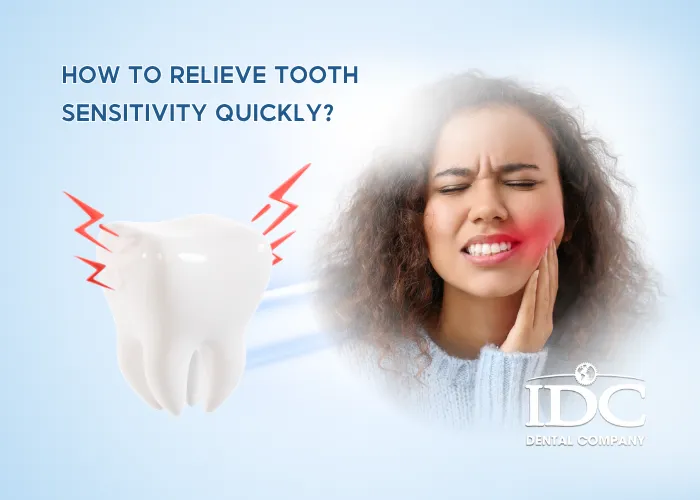
In this guide, we’ll explain what causes sensitive teeth, how to relieve tooth sensitivity quickly, when you should see a dentist, and which treatments can provide longer-lasting relief.
What is tooth sensitivity?
Tooth sensitivity, medically known as dentin hypersensitivity, occurs when the inner layer of a tooth called dentin becomes exposed or more vulnerable to external stimuli.
Healthy tooth enamel normally protects the dentin. However, when enamel becomes worn down or the gums recede, microscopic pathways in the dentin can become exposed. Hot, cold, sweet, or acidic foods and drinks can then stimulate the nerves inside the tooth, resulting in a short, sharp sensation.
Common triggers include:
- Cold water or ice cream
- Hot coffee or tea
- Sweet foods
- Acidic foods and drinks
- Cold air
- Brushing or flossing around sensitive areas
Typical tooth sensitivity is often sharp and brief, disappearing shortly after the trigger is removed.
However, sensitivity that lasts for a long time, occurs without a trigger, or becomes increasingly painful may indicate another dental problem that requires professional treatment.
What does tooth sensitivity feel like?
Sensitive teeth can produce different sensations depending on the underlying cause.
Some people experience a sudden, sharp pain when drinking something cold. Others notice discomfort when eating sweets or acidic foods. Sensitivity can also occur when brushing, particularly around areas where the gums have receded.
You may also notice sensitivity when:
- Drinking cold beverages
- Eating ice cream
- Drinking hot coffee or tea
- Eating citrus fruits
- Consuming sugary foods
- Brushing near the gumline
- Breathing cold air
If the discomfort disappears quickly after the trigger is removed, it may be consistent with dentin hypersensitivity.
On the other hand, pain that lingers for a long time, occurs spontaneously, wakes you at night, or is associated with swelling should be evaluated by a dentist.
What causes sensitive teeth?
Tooth sensitivity can have several causes. Identifying the underlying cause is important because simply treating the symptom may not solve the problem permanently.
1. Enamel Erosion
Tooth enamel is the hard outer layer that protects your teeth. Frequent exposure to acids can gradually weaken and erode enamel.
Common sources of acid exposure include soda, sports drinks, citrus juices, acidic foods, and frequent snacking on acidic products.
As enamel becomes thinner, the dentin underneath can become more exposed, increasing the likelihood of sensitivity.
Reducing frequent acid exposure and maintaining good oral hygiene can help protect your remaining enamel.
2. Gum Recession
Receding gums are another common cause of sensitive teeth.
Unlike the crown of the tooth, the root surface does not have the same protective enamel layer. When gums move away from the tooth, the root can become exposed and more sensitive to temperature and touch.
Gum recession can be associated with aggressive brushing, gum disease, aging, or other factors.
If you notice that your teeth appear longer or that sensitivity is concentrated near the gumline, a dental examination can help determine whether gum recession is contributing to the problem.
3. Brushing Too Hard
Brushing your teeth is essential, but brushing aggressively can potentially contribute to enamel wear and gum recession.
Using a hard-bristled toothbrush or applying excessive pressure may make sensitive teeth worse.
Instead, use a soft-bristled toothbrush and gentle brushing movements. Proper technique is more important than brushing aggressively.
4. Tooth Decay
A cavity can cause sensitivity when decay reaches deeper layers of the tooth.
You may notice sensitivity to cold, hot, sweet, or acidic foods. As decay progresses, the discomfort may become more persistent.
If a cavity is responsible for your sensitivity, desensitizing toothpaste may only provide temporary symptom relief. The decay itself needs to be treated by a dentist.
5. Cracked or Damaged Teeth
A cracked tooth can sometimes cause sensitivity or sharp pain, particularly when chewing or biting.
Small cracks can be difficult to see without professional examination. Some patients experience pain when biting down, while others notice discomfort when releasing the bite.
If sensitivity occurs consistently in one particular tooth, especially when chewing, it is important to have it examined.
6. Teeth Grinding and Clenching
Bruxism, or teeth grinding and clenching, can put excessive pressure on the teeth.
Over time, this pressure can contribute to enamel wear, cracks, jaw discomfort, and tooth sensitivity.
People who grind their teeth at night may notice sensitive teeth or jaw soreness when they wake up.
A dentist can evaluate signs of tooth wear and determine whether additional protection, such as a custom night guard, may be appropriate.
7. Recent Dental Treatment
Temporary tooth sensitivity can occur after certain dental procedures, including:
- Teeth whitening
- Professional dental cleaning
- Dental fillings
- Crowns
- Other restorative procedures
This sensitivity is often temporary. However, if it becomes severe, lasts longer than expected, or continues to worsen, contact your dentist for an evaluation.
How to Relieve Tooth Sensitivity Quickly at Home
If you are experiencing mild sensitivity, several steps may help reduce discomfort.
Use Desensitizing Toothpaste
One of the most common approaches for sensitive teeth is using toothpaste formulated for tooth sensitivity.
These products may contain ingredients such as fluoride, potassium nitrate, or stannous fluoride, depending on the formulation. They are designed to help reduce sensitivity with regular use.
Keep in mind that desensitizing toothpaste does not necessarily treat the underlying cause. If sensitivity is caused by decay, a cracked tooth, or another dental condition, professional treatment may still be necessary.
Switch to a Soft-Bristled Toothbrush
If you currently use a hard toothbrush or brush aggressively, switching to a soft-bristled toothbrush can help reduce irritation.
Brush gently twice a day and pay particular attention to the gumline without applying excessive pressure.
Avoid Extremely Hot and Cold Foods
While your teeth are sensitive, temporarily reducing exposure to very hot and cold foods may make everyday activities more comfortable.
Try drinking beverages at a moderate temperature and allow very hot foods to cool before eating.
Limit Acidic Foods and Drinks
Acidic foods and beverages can contribute to enamel erosion over time.
Consider reducing frequent consumption of:
- Soda
- Energy drinks
- Citrus juices
- Highly acidic foods
If you consume an acidic drink, rinsing your mouth with water afterward can help reduce acid exposure.
It is generally better to avoid brushing immediately after consuming highly acidic foods or drinks because enamel may temporarily be more vulnerable to abrasion.
Maintain Good Oral Hygiene
Tooth sensitivity does not mean you should stop brushing your teeth.
Continue brushing twice daily and cleaning between your teeth. Maintaining healthy gums and controlling plaque are important for protecting your teeth from cavities and gum disease.
How Long Does Tooth Sensitivity Last?
The duration of tooth sensitivity depends largely on its cause.
For example, temporary sensitivity may occur after professional dental cleaning or teeth whitening and may gradually improve.
However, sensitivity caused by tooth decay, gum recession, enamel erosion, cracked teeth, or pulp inflammation may continue until the underlying condition is treated.
If your sensitivity keeps returning or becomes progressively worse, don’t simply rely on home remedies. A dental examination can help determine what is actually causing the discomfort.
When should you see a dentist for sensitive teeth?
Not every case of tooth sensitivity requires emergency treatment. However, persistent or unusual symptoms should not be ignored.
Schedule a dental appointment if:
- Sensitivity continues for several weeks
- The pain is getting worse
- One particular tooth is consistently sensitive
- Pain occurs without an obvious trigger
- Pain continues after eating or drinking
- You experience pain when biting
- Your gums are swollen or bleeding
- You notice a broken or cracked tooth
- You have significant gum recession
Seek prompt dental care if sensitivity is accompanied by facial swelling, severe tooth pain, fever, pus, difficulty swallowing, or difficulty opening your mouth.
These symptoms may indicate an infection or another condition requiring urgent attention.
How does a dentist treat tooth sensitivity?
The best treatment depends on what is causing the sensitivity.
Fluoride Treatment
Professional fluoride treatments may help strengthen enamel and reduce sensitivity in appropriate cases.
Dental Bonding
When exposed root surfaces are contributing to sensitivity, dental bonding may sometimes be used to cover and protect the exposed area.
Treatment for Gum Recession
If gum recession is contributing to sensitivity, your dentist may recommend improved oral hygiene, treatment for gum disease, or other periodontal procedures depending on the severity.
Dental Fillings
If a cavity or damaged restoration is responsible for sensitivity, a dental filling may restore the affected tooth and protect the underlying structures.
Root Canal Treatment
If the dental pulp is severely inflamed or infected, root canal treatment may be recommended to remove the damaged pulp and preserve the tooth.
Dental Crowns
For significantly weakened, cracked, or heavily restored teeth, a dental crown may sometimes be recommended to protect the remaining tooth structure.
Tooth Sensitivity After Teeth Whitening
Teeth whitening is one of the most common situations in which people experience temporary sensitivity.
Whitening products can temporarily make teeth more sensitive to cold or other stimuli. For many patients, this discomfort improves after the whitening process is completed.
Following the instructions provided by your dental professional and avoiding excessive or overly frequent whitening can help minimize unwanted sensitivity.
If sensitivity after whitening is severe or does not improve, speak with your dentist rather than continuing whitening treatments.
Tooth Sensitivity After Dental Cleaning
Some people experience temporary sensitivity after a professional dental cleaning.
This may be more noticeable if you have significant tartar buildup, gum recession, exposed root surfaces, or existing enamel wear.
As plaque and tartar are removed, areas that were previously covered may become more exposed to temperature changes.
Temporary sensitivity can occur, but persistent or severe pain should be discussed with your dentist.
Tooth Sensitivity vs. Toothache: What’s the Difference?
Although they may feel similar, tooth sensitivity and a traditional toothache are not always the same.
Tooth sensitivity is typically brief and triggered by something such as cold, heat, sweets, or acidic foods. The discomfort usually disappears shortly after the stimulus is removed.
A toothache, however, may occur spontaneously and can last longer. It may become worse at night or be associated with swelling, tenderness, or pain when biting.
Persistent tooth pain may be related to cavities, pulp inflammation, infection, cracked teeth, or other dental problems.
For this reason, ongoing tooth pain should not be assumed to be simple sensitivity.
Can Tooth Sensitivity Go Away on Its Own?
Sometimes mild sensitivity can improve after changing oral hygiene habits, reducing acidic foods, or using desensitizing toothpaste.
However, whether sensitivity goes away depends on its cause.
Sensitivity caused by temporary irritation may improve, while sensitivity related to cavities, cracked teeth, gum disease, significant enamel erosion, or pulp problems generally requires professional evaluation.
Even if the pain disappears, it is important to pay attention if it repeatedly comes back.
How Can You Prevent Tooth Sensitivity?
Preventing sensitivity starts with protecting your enamel and gums.
Brush your teeth twice a day with a soft-bristled toothbrush and avoid aggressive brushing. Use fluoride toothpaste and clean between your teeth regularly.
Limit frequent exposure to acidic foods and beverages, and avoid using your teeth to bite hard objects.
If you grind or clench your teeth, discuss this with your dentist. A professionally fitted night guard may be recommended in appropriate cases.
Regular dental checkups can also help identify cavities, gum recession, enamel erosion, cracked teeth, and other problems before they become more serious.
Common Mistakes That Can Make Sensitive Teeth Worse
Some everyday habits can contribute to sensitivity or make existing symptoms worse.
Brushing too aggressively, using a hard-bristled toothbrush, frequently consuming acidic drinks, and using abrasive whitening products excessively can all put additional stress on your teeth.
Another common mistake is ignoring persistent sensitivity because the pain is not severe.
If one tooth repeatedly becomes sensitive, especially when you bite or chew, it is worth having the tooth evaluated rather than repeatedly treating the symptom at home.
Frequently Asked Questions About Tooth Sensitivity
How can I relieve tooth sensitivity quickly?
For mild sensitivity, using desensitizing toothpaste, brushing gently with a soft-bristled toothbrush, and temporarily avoiding very hot, cold, and acidic foods may help. Persistent sensitivity should be evaluated by a dentist.
What is the best toothpaste for sensitive teeth?
Look for toothpaste specifically formulated for sensitive teeth. Products containing ingredients such as fluoride, potassium nitrate, or stannous fluoride may help reduce sensitivity when used as directed.
Can sensitive teeth be cured permanently?
The long-term outcome depends on the cause. Some sensitivity can be managed with preventive care, while problems such as cavities, gum disease, cracked teeth, or pulp inflammation require specific dental treatment.
Why are my teeth sensitive to cold water?
Cold water can stimulate exposed dentin when enamel has worn down or the gums have receded. However, cold sensitivity can also occur with cavities, cracks, or other dental conditions.
Does tooth sensitivity mean I need a root canal?
Not necessarily. Most sensitive teeth do not automatically require root canal treatment. A root canal may be recommended when the dental pulp is severely inflamed or infected.
Why is only one tooth sensitive?
Sensitivity affecting one specific tooth may be related to a cavity, crack, damaged restoration, gum recession, or another localized problem. A dental examination can help identify the cause.


 WhatsApp