
Tooth decay in children is one of the most common chronic health conditions affecting babies, toddlers, and school-age children worldwide. While many parents assume that cavities in baby teeth are not a major concern because these teeth will eventually fall out, untreated tooth decay can lead to pain, infection, difficulty eating, and even problems with the development of permanent teeth.
The good news is that childhood cavities are largely preventable. Understanding what causes tooth decay, recognizing the early warning signs, and seeking timely treatment can protect your child’s oral health for years to come.
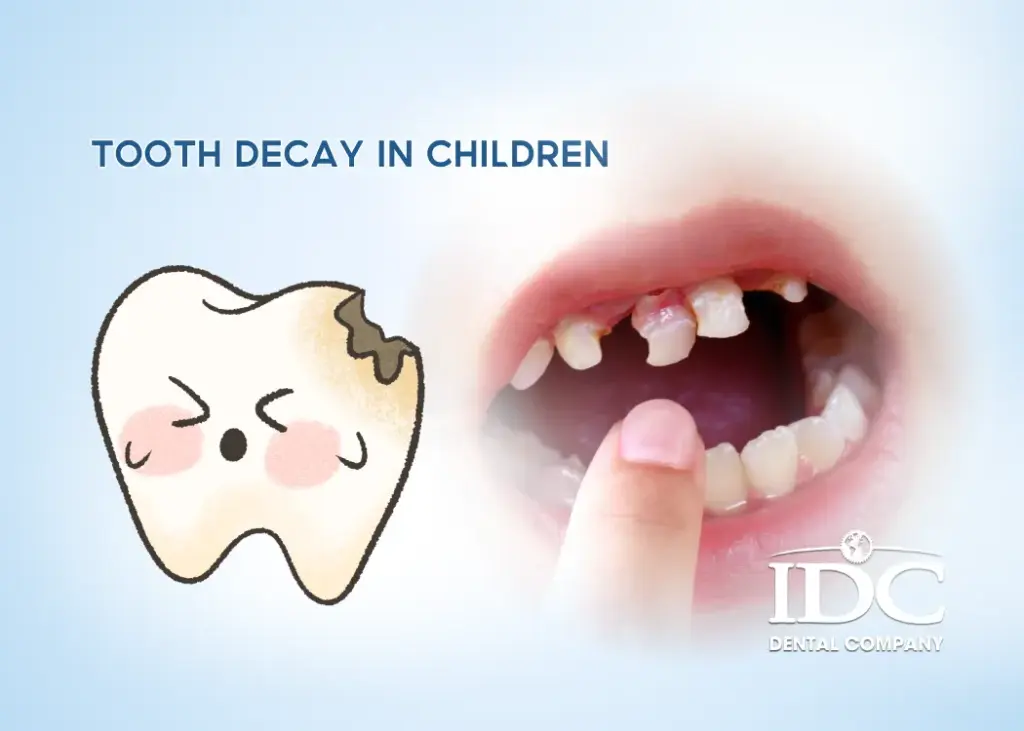
In this guide, you’ll learn everything parents need to know about tooth decay in children, including its causes, symptoms, treatment options, and the best ways to prevent cavities from returning.
What Is Tooth Decay in Children?
Tooth decay, also known as dental caries or cavities, is the gradual destruction of tooth enamel caused by acids produced by bacteria in dental plaque. When children frequently consume sugary foods or drinks, bacteria feed on these sugars and release acids that slowly dissolve the enamel.
If the decay is not treated, it can progress through the enamel into the dentin and eventually reach the dental pulp, causing significant pain and infection.
How does a cavity develop?
Early demineralization may appear as white chalky spots before a visible hole forms.
Tooth decay is not an overnight problem—it develops gradually. The earlier it is detected, the easier it is to manage with conservative treatment.
Why Are Children’s Teeth More Vulnerable to Cavities?
Children’s teeth are naturally more susceptible to decay than adult teeth for several reasons.
1. Baby teeth have thinner enamel
Primary teeth have a thinner protective enamel layer than permanent teeth. As a result, cavities can spread more quickly once decay begins.
2. Young children are still learning to brush
Even children who brush twice daily often miss areas between teeth and the chewing surfaces of molars. Without parental supervision, plaque can remain on the teeth for long periods.
3. Frequent snacking increases acid attacks
Many children snack throughout the day on crackers, fruit snacks, cookies, or juice. Every sugary snack creates another acid attack on tooth enamel, leaving little time for teeth to recover.
4. Nighttime bottle feeding raises cavity risk
Falling asleep with milk, juice, or sweetened drinks allows sugar to remain on the teeth for hours while saliva production decreases, significantly increasing the risk of early childhood caries.
What Causes Tooth Decay in Children?
Tooth decay usually develops when several risk factors occur together rather than from a single cause.
Sugary Foods and Drinks
The biggest contributor to cavities is frequent exposure to sugar.
Common culprits include:
- Candy and chocolate
- Cookies and cakes
- Sweetened cereals
- Soda and flavored milk
- Fruit juice with added sugar
It’s not only how much sugar a child consumes—it’s how often they consume it.
Poor Oral Hygiene
Plaque begins forming on teeth within hours after brushing. If it isn’t removed regularly, bacteria multiply and produce acids that damage enamel.
Young children often need assistance brushing until they develop sufficient hand coordination.
Frequent Snacking
Every time a child eats carbohydrates or sugary foods, the mouth becomes acidic for approximately 20–30 minutes. Constant snacking means teeth remain under repeated acid attacks throughout the day.
Inadequate Fluoride
Fluoride helps strengthen enamel and supports remineralization. Children who do not receive appropriate fluoride exposure may have a higher risk of developing cavities.
Irregular Dental Checkups
Many early cavities develop between teeth where parents cannot easily see them. Routine dental examinations help identify these hidden problems before they become painful.
Early Signs and Symptoms of Tooth Decay in Children
Recognizing the first signs of decay allows treatment before extensive damage occurs.
Early-stage symptoms
During the earliest stage, children may not complain of pain at all.
Watch for:
- White chalky spots on the enamel
- Dull or rough tooth surfaces
- Increased sensitivity to sweets
- Slight discoloration
Moderate tooth decay
As cavities progress, symptoms become more noticeable.
Common signs include:
- Brown or black spots
- Visible holes in the tooth
- Food frequently becoming trapped
- Pain while chewing
- Sensitivity to cold or hot foods
Advanced tooth decay
When decay reaches the pulp, children may experience:
- Persistent toothache
- Nighttime pain
- Swollen gums
- Pus around the tooth
- Bad breath
- Facial swelling
- Fever associated with dental infection
These symptoms require prompt dental evaluation.
Which Teeth Are Most Commonly Affected?
Although cavities can develop anywhere, certain teeth are particularly vulnerable.
Molars
The deep grooves on back teeth easily trap food and bacteria, making molars the most common location for cavities.
Between Teeth
Cavities between teeth often go unnoticed because they are hidden from view and difficult to clean with brushing alone.
Upper Front Teeth
In toddlers, prolonged bottle feeding or frequent sugary drinks can cause decay on the upper front teeth—a hallmark of early childhood caries.
Does Tooth Decay in Baby Teeth Need Treatment?
Yes. Cavities in baby teeth should always be evaluated by a dentist.
Baby teeth do much more than hold space until permanent teeth erupt. They help children:
- Chew food properly
- Develop clear speech
- Smile confidently
- Maintain jaw development
- Guide permanent teeth into their correct positions
Ignoring a cavity simply because the tooth will eventually fall out may lead to unnecessary pain, infection, or premature tooth loss.
What Happens If Tooth Decay Is Left Untreated?
Untreated cavities continue to grow. What begins as a small enamel lesion may eventually become a serious dental infection.
Tooth Pain
As decay reaches the dentin, children often develop sensitivity. Once the pulp becomes inflamed, pain can become constant and severe.
Difficulty Eating
Children with painful teeth often avoid chewing on one side, refuse certain foods, or eat less overall. This may affect nutrition and daily comfort.
Dental Infection
Bacteria can spread beyond the tooth into surrounding tissues, forming a dental abscess that may cause swelling, pus, and fever.
Premature Loss of Baby Teeth
Severely damaged teeth sometimes cannot be restored and must be extracted before their natural shedding time.
Can Baby Tooth Cavities Affect Permanent Teeth?
Yes. Baby teeth serve as natural space maintainers for the permanent dentition.
When a baby tooth is lost too early:
- Neighboring teeth may drift into the empty space.
- Permanent teeth may lose eruption space.
- Crowding and misalignment become more likely.
Additionally, severe infection around the roots of baby teeth should be treated promptly because developing permanent teeth are located nearby.
How Dentists Diagnose Tooth Decay in Children
A pediatric dental examination typically includes:
- Reviewing symptoms
- Visual inspection
- Checking tooth surfaces
- Evaluating gum health
- Assessing sensitivity
- Dental X-rays when clinically appropriate
X-rays are particularly useful for identifying cavities hidden between teeth or beneath existing restorations.
Effective Treatment Options for Tooth Decay in Children
Treatment depends on the child’s age, the depth of decay, and whether the affected tooth is a baby or permanent tooth.
1. Fluoride Treatment
Very early enamel lesions may benefit from fluoride therapy combined with improved oral hygiene and dietary changes.
Fluoride helps strengthen weakened enamel but cannot rebuild a large cavity once tooth structure has been lost.
2. Dental Fillings
Fillings are commonly recommended when decay has created a cavity but the tooth can still be restored.
A filling helps:
- Restore tooth shape
- Improve chewing
- Prevent food from collecting inside the cavity
- Protect remaining tooth structure
3. Pediatric Dental Crowns
If a large portion of a baby tooth has been damaged, a crown may provide better protection than a filling alone, especially for molars.
4. Pulp Therapy
When decay reaches the dental pulp, pediatric dentists may recommend pulp therapy to preserve the tooth whenever possible.
Depending on the condition of the pulp, treatment may include procedures such as pulpotomy or pulpectomy.
5. Tooth Extraction
Extraction becomes necessary when a tooth is severely damaged, cannot be restored, or has significant infection.
If a baby tooth is removed prematurely, the dentist may recommend a space maintainer to preserve room for the permanent tooth.
Does Every Child’s Cavity Need a Filling?
No. Treatment depends on the stage of decay.
| Stage of Decay | Possible Management |
| Early white spot lesion | Fluoride + remineralization |
| Small cavity | Dental filling |
| Deep cavity | Pulp therapy may be considered |
| Severe destruction or infection | Extraction when clinically necessary |
A professional examination is essential before choosing the most appropriate treatment.
What Should Parents Do If Their Child Has a Cavity?
If you notice signs of decay:
- Schedule a dental appointment promptly.
- Continue gentle brushing around the affected tooth.
- Reduce sugary snacks and drinks.
- Offer softer foods if chewing is painful.
- Watch for swelling or worsening symptoms.
Avoid waiting until your child develops severe pain before seeking treatment.
How to Relieve a Child’s Toothache Before Seeing a Dentist
While waiting for an appointment, parents can help reduce discomfort by:
- Keeping the tooth clean
- Gently removing trapped food
- Avoiding extremely hot or cold foods
- Limiting sugary foods
- Using age-appropriate pain medication only according to professional guidance
Do not:
- Place aspirin directly on the tooth.
- Apply unknown substances into the cavity.
- Use leftover antibiotics.
- Attempt to remove the tooth at home.
These home remedies do not treat the underlying cause and may worsen the situation.
How to Prevent Tooth Decay in Children
Prevention is always easier—and less costly—than treatment.
Brush Twice Daily
Brushing every morning and especially before bedtime removes plaque before it can damage enamel.
Use Fluoride Toothpaste
Choose an age-appropriate fluoride toothpaste and supervise young children while brushing.
Limit Sugar Exposure
Instead of eliminating treats entirely, focus on reducing how frequently children consume sugary foods throughout the day.
Avoid Bedtime Sugary Drinks
Water is the best choice before sleep. Avoid letting children fall asleep with milk, juice, or sweetened beverages in a bottle or cup.
Schedule Regular Dental Checkups
Professional examinations every six months—or as recommended by your dentist—help detect cavities before they become painful.
Consider Dental Sealants
Sealants can protect the deep grooves of permanent molars, reducing the risk of cavities in high-risk children.
Frequently Asked Questions
Can early tooth decay be reversed?
Early enamel demineralization may improve with fluoride, excellent oral hygiene, and dietary changes before a cavity forms.
Do cavities in baby teeth always need fillings?
Not always. The appropriate treatment depends on the stage of decay and the condition of the tooth.
Can tooth decay cause bad breath in children?
Yes. Food trapped in cavities and bacterial growth may contribute to persistent bad breath.
At what age should children first visit a dentist?
Most pediatric dentists recommend a child’s first dental visit by their first birthday or within six months after the first tooth erupts.


 WhatsApp