
Eliminate bad breath caused by a rotten tooth requires more than simply masking the odor with mouthwash, chewing gum, or mints. A severely decayed tooth can trap food particles and harmful bacteria, creating a persistent foul smell or unpleasant taste. If the decay progresses and reaches the inner part of the tooth, an infection may develop and make the problem worse.
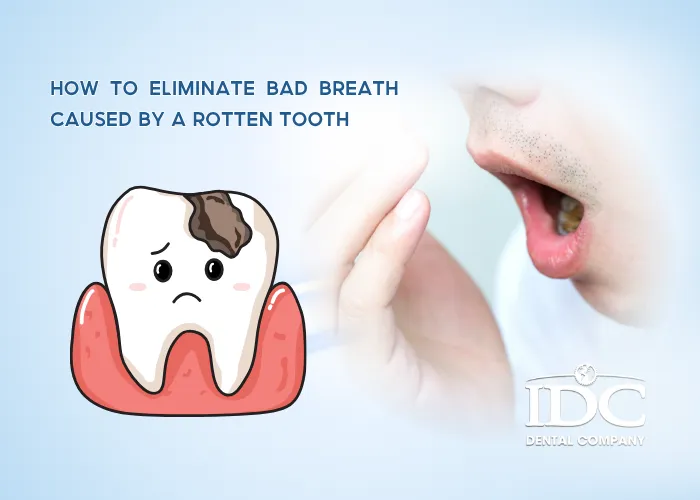
The most effective way to eliminate bad breath is to treat the underlying dental problem. Depending on the condition of the tooth, treatment may include a filling, root canal treatment, dental crown, or extraction, combined with good daily oral hygiene.
Can a rotten tooth cause bad breath?
Yes. Tooth decay can contribute to bad breath, particularly when a cavity becomes large enough to trap food, plaque, and bacteria. Tooth decay may initially cause few or no symptoms, but as it progresses, it can result in cavities, tooth sensitivity, pain, and sometimes infection.
A rotten tooth is not literally “rotting” in the same way as organic food. The term generally refers to a tooth that has experienced significant decay and structural damage. The decay process is driven by bacteria that use sugars and starches in the mouth and produce acids that damage the tooth.
When a cavity becomes deep or difficult to clean, bacteria and food debris can remain inside or around the damaged area. This bacterial activity may contribute to an unpleasant smell or bad taste.
If the decay reaches the inner part of the tooth and causes an infection, the problem can become more serious. A dental abscess can develop, potentially causing pain, swelling, pus, and a persistent unpleasant taste or odor.
What does bad breath from a rotten tooth smell like?
Bad breath caused by dental decay is often described as foul, sour, sulfur-like, or rotten. However, the exact smell can vary from person to person and depends on the source of the odor.
You may also notice:
- A persistent bad taste in your mouth
- An unpleasant smell coming from one particular area
- Food frequently getting stuck around a damaged tooth
- Tooth sensitivity
- Toothache or pain when chewing
- A visible hole or dark area on the tooth
- Swollen or irritated gums around the affected tooth
It is important to remember that bad breath does not always mean you have a rotten tooth. Gum disease, plaque buildup, dry mouth, tongue bacteria, certain foods, and other oral or medical conditions can also cause halitosis. Persistent bad breath should therefore be evaluated by a dentist rather than self-diagnosed.
Signs you may have a rotten tooth
A severely decayed tooth can have several visible or noticeable signs.
Toothache or Sensitivity
You may experience sharp or lingering pain when consuming hot, cold, or sweet foods and drinks. Tooth decay can cause sensitivity as it progresses deeper into the tooth.
Dark Spots or Discoloration
Brown, black, or other unusual spots can appear on a decayed tooth. However, discoloration alone does not always mean that a tooth is rotten, so a dental examination is necessary.
Visible Holes or Cavities
A cavity may appear as a small hole or damaged area in the tooth. Larger cavities can trap food and plaque, making the area difficult to keep clean.
Bad Taste or Persistent Odor
A persistent unpleasant taste or smell can occur when bacteria, food debris, or infection are present around a damaged tooth.
Swollen Gums
The gum around a severely damaged or infected tooth may become red, tender, or swollen.
Pain When Biting
Pain when chewing or putting pressure on a tooth may indicate that the decay has progressed or that the tissues around the tooth are affected.
Not everyone experiences severe pain. In fact, tooth decay can sometimes progress without obvious symptoms, which is one reason regular dental examinations are important.
How to Get Rid of Bad Breath Caused by a Rotten Tooth
The key to eliminating bad breath caused by a rotten tooth is to treat the source of the odor.
1. Treat the Rotten Tooth
If a decayed tooth is responsible for your bad breath, professional dental treatment is usually necessary.
Your dentist will examine the tooth and may use dental X-rays to determine how far the decay has progressed. Treatment depends on how much healthy tooth structure remains and whether the dental pulp has been affected.
Possible treatments include:
- Dental filling: Used when the decay can be removed and the remaining tooth can be restored.
- Root canal treatment: Used when decay or infection has affected the dental pulp.
- Dental crown: May be recommended when a tooth has lost significant structure and needs additional protection.
- Tooth extraction: May be necessary when a tooth is severely damaged and cannot be predictably restored.
Modern approaches to treating tooth decay emphasize removing diseased tissue while preserving as much healthy tooth structure as possible when appropriate.
Once the source of infection or decay has been properly treated, the odor associated with that tooth can improve significantly.
2. Brush Your Teeth Twice a Day
Good oral hygiene is essential for controlling the bacteria responsible for plaque and bad breath.
Brush your teeth twice daily using fluoride toothpaste. Pay particular attention to the area around the affected tooth, but avoid aggressive brushing if the area is painful.
Fluoride toothpaste can help protect teeth against cavities and support overall oral health.
3. Clean Between Your Teeth
A toothbrush cannot effectively clean every surface between your teeth. Food particles and plaque can accumulate in these spaces and contribute to unpleasant breath.
Use dental floss or another appropriate interdental cleaner to clean between your teeth regularly.
If the affected area is extremely painful or swollen, ask your dentist how to clean it safely rather than forcing floss into a sensitive area.
4. Clean Your Tongue
The tongue can accumulate bacteria and debris that contribute to bad breath. Gently cleaning your tongue with a toothbrush or tongue cleaner can help reduce this buildup.
However, tongue cleaning should be considered part of your oral hygiene routine—not a replacement for treating a decayed tooth.
5. Use an Appropriate Mouthwash
A therapeutic mouthwash may help reduce plaque, bacteria, gingivitis, or bad breath as part of a broader oral hygiene routine. However, mouthwash does not repair a rotten tooth or remove advanced tooth decay.
If the odor is coming from a severely decayed or infected tooth, mouthwash may only provide temporary improvement. The underlying dental problem still needs professional treatment.
6. Stay Hydrated
Dry mouth can make it easier for bacteria and debris to accumulate. Drinking water regularly can help maintain moisture in your mouth and support normal oral cleansing.
If you frequently experience dry mouth, discuss it with your dentist or healthcare professional, particularly if it persists.
Can You Get Rid of Rotten Tooth Smell at Home?
You can temporarily reduce the odor with good oral hygiene, but home remedies cannot repair a severely rotten tooth.
Brushing, flossing, tongue cleaning, drinking water, and an appropriate mouthwash may help reduce bacteria and improve your breath. However, if a cavity has become deep or the tooth is infected, these measures do not eliminate the underlying problem.
For example, someone may brush their teeth thoroughly in the morning and notice that their breath smells better for a short time. If the source is a deep cavity or dental infection, however, the odor may return later in the day.
This is why repeatedly using mints, gum, or mouthwash without addressing the tooth itself is not a long-term solution.
If you have persistent bad breath together with tooth pain, sensitivity, a visible cavity, swelling, or a bad taste, schedule a dental examination.
How Dentists Treat a Rotten Tooth That Causes Bad Breath
The appropriate treatment depends on the severity of the decay.
Dental Filling
A filling may be appropriate when the decay has not progressed to the point where the tooth requires more extensive treatment. The dentist removes the affected tooth structure and restores the area with a suitable material.
Root Canal Treatment
If decay reaches the pulp and causes irreversible inflammation or infection, root canal treatment may be recommended. The procedure removes infected or inflamed tissue from inside the tooth, cleans the root canal system, and seals the tooth.
For many dental infections, definitive dental treatment is more important than simply taking antibiotics. The American Dental Association recommends prioritizing appropriate dental procedures for many pulpal and periapical conditions, with antibiotics generally reserved for situations involving systemic involvement such as fever or malaise.
Dental Crown
A tooth that has lost a significant amount of structure may require a crown after it has been properly treated. A crown can help restore the tooth’s function and protect the remaining structure.
Tooth Extraction
If a tooth is too severely damaged to restore, extraction may be recommended. After extraction, your dentist can discuss replacement options depending on your individual situation.
The goal is not simply to remove the bad smell. The goal is to eliminate the source of disease while preserving your oral health whenever possible.
How Long Does Bad Breath Last After Treating a Rotten Tooth?
The time required for bad breath to improve varies depending on the cause and severity of the problem.
If the rotten tooth is the primary source of the odor, treating the decay or infection should address that source. However, bad breath may persist if there are additional contributing factors such as gum disease, plaque buildup, dry mouth, tongue bacteria, or another untreated dental problem.
For this reason, if your bad breath continues after treatment, tell your dentist. A dental examination can help determine whether another source is responsible.
When Should You See a Dentist?
You should arrange a dental examination if you have persistent bad breath accompanied by signs of tooth decay.
Consider seeing a dentist if you have:
- Toothache lasting more than a couple of days
- Persistent tooth sensitivity
- A visible hole or cavity
- Dark or damaged areas on a tooth
- Pain when biting
- A persistent bad taste
- Swollen or bleeding gums
- Pus or unusual discharge
- Facial or jaw swelling
- Persistent bad breath that does not improve with good oral hygiene
NHS guidance recommends dental evaluation for toothache that persists, does not respond to painkillers, or occurs with a bad taste, fever, swollen gums, or facial swelling.
When Is a Dental Infection an Emergency?
A dental infection can sometimes spread beyond the original tooth. Seek urgent medical or dental care if you develop significant facial or mouth swelling, fever, or rapidly worsening symptoms.
Difficulty breathing, swallowing, or speaking associated with swelling requires immediate emergency assessment.
Do not wait for the bad breath to disappear on its own if you suspect a serious dental infection.
How to Prevent Bad Breath and Tooth Decay
The best way to prevent bad breath caused by a rotten tooth is to prevent tooth decay and treat dental problems early.
Maintain Daily Oral Hygiene
Brush twice a day with fluoride toothpaste and clean between your teeth regularly.
Limit Frequent Sugary Foods and Drinks
Frequent exposure to sugars can contribute to tooth decay. Reducing sugary snacks and drinks between meals can help lower the risk of cavities.
Drink Plenty of Water
Staying hydrated supports saliva production and helps maintain a healthier oral environment.
Schedule Regular Dental Checkups
Regular dental examinations can identify cavities and other dental problems before they become severe.
Treat Small Cavities Early
A small cavity is generally easier to manage than a tooth that has become severely damaged or infected. If you notice sensitivity, discoloration, or a visible cavity, do not wait until severe pain develops before seeking care.
Frequently Asked Questions
Can a rotten tooth permanently cause bad breath?
A severely decayed or infected tooth can contribute to persistent bad breath. Treating the underlying dental problem can remove that source of odor. However, if bad breath continues afterward, another cause may need to be investigated.
Will brushing remove the smell from a rotten tooth?
Brushing can temporarily reduce bacteria and food debris, but it cannot repair advanced tooth decay. If the odor comes from a deep cavity or infection, professional dental treatment is usually necessary.
Can mouthwash cure bad breath caused by tooth decay?
Mouthwash can help control bacteria and temporarily improve breath, but it cannot cure a rotten tooth. It should be used as part of an overall oral hygiene routine rather than as a substitute for dental treatment.
Can a rotten tooth be saved?
Sometimes. Depending on the amount of remaining healthy tooth structure and the condition of the pulp, a dentist may be able to restore the tooth with a filling, root canal treatment, and/or crown. Severely damaged teeth may require extraction.
Does a root canal get rid of bad breath?
If the bad breath is caused by an infected tooth, appropriate root canal treatment can address the source of the infection. However, persistent bad breath after treatment may have another cause.
Should a rotten tooth always be extracted?
No. Extraction is not always necessary. When a tooth can be predictably restored, preserving the natural tooth may be preferable. Your dentist can determine whether restoration or extraction is appropriate.
How quickly does bad breath improve after dental treatment?
It depends on the underlying cause and whether other oral problems are present. If the decayed or infected tooth is the primary source, the odor should improve as the source is treated and the surrounding tissues recover.
Can tooth decay cause a bad taste in the mouth?
Yes. Tooth decay and dental infection can be associated with an unpleasant taste, particularly when there is drainage or infection around the tooth. A bad taste combined with tooth pain or swelling should be evaluated by a dentist.


 WhatsApp