
Healthy gums are essential for maintaining strong teeth, but gum disease can develop gradually without causing obvious symptoms in its early stages. When plaque and tartar accumulate below the gumline, regular brushing and routine dental cleanings may no longer be enough to control the infection. In these situations, scaling and root planing may be recommended as a non-surgical periodontal treatment.
Often called deep cleaning, scaling and root planing focuses on removing plaque, tartar, and bacterial deposits from below the gumline and cleaning the tooth root surfaces. The goal is to reduce inflammation and create a healthier environment for the gums. The American Dental Association recognizes scaling and root planing as an initial non-surgical treatment option for patients with periodontitis.
If you have bleeding gums, deep periodontal pockets, persistent bad breath, gum recession, or other signs of gum disease, you may wonder whether scaling and root planing is right for you. This guide explains the scaling and root planing procedure, its benefits, possible discomfort, recovery, and aftercare.
What Is Scaling and Root Planing?
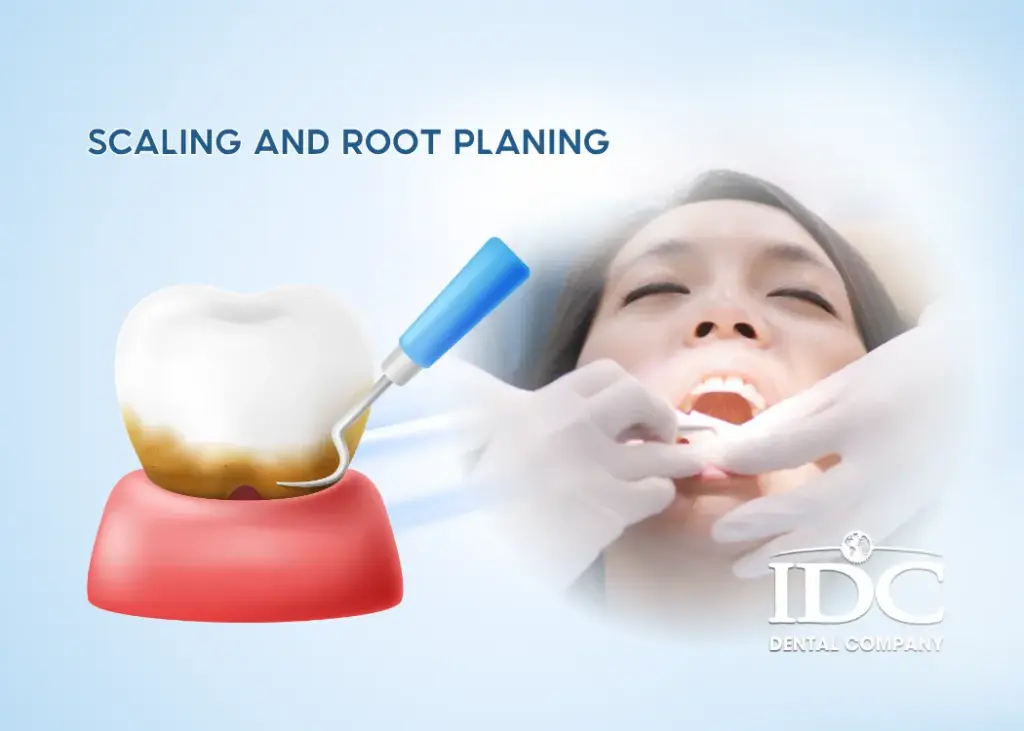
Scaling and root planing (SRP) is a professional periodontal treatment designed to clean areas of the teeth and roots that are affected by plaque, tartar, and bacterial deposits below the gumline.
The treatment has two main components: scaling and root planing.
What Is Dental Scaling?
Scaling involves removing plaque and hardened tartar, also known as calculus, from the tooth surfaces. When tartar develops below the gumline, it can contribute to inflammation and periodontal pocket formation.
Dental instruments, including ultrasonic devices and hand instruments, can be used to remove these deposits from above and below the gumline.
Regular brushing and flossing are important for preventing plaque buildup, but they cannot remove hardened tartar once it has formed. Professional treatment is therefore necessary when significant calculus is present.
What Is Root Planing?
Root planing focuses on the surfaces of the tooth roots below the gumline. The dentist carefully removes bacterial deposits and other contaminants and smooths rough areas of the root surface.
The purpose is to create a cleaner root surface and help the gum tissue heal and adapt more closely around the tooth.
What Is the Difference Between Scaling and Root Planing and Regular Cleaning?
Although both treatments involve removing plaque and tartar, they serve different purposes.
A routine dental cleaning is primarily preventive and is generally performed to maintain oral health and remove deposits that have accumulated around the teeth.
Scaling and root planing, on the other hand, is a periodontal treatment used when gum disease has progressed and deposits are present below the gumline or periodontal pockets are too deep for routine cleaning alone.
According to the ADA, when periodontal pockets become sufficiently deep, scaling and root planing may be needed to clean the affected areas.
In other words, SRP is not simply a more aggressive version of a routine cleaning. It is a treatment designed specifically to address periodontal disease.
Who Needs Scaling and Root Planing?
Scaling and root planing may be recommended for patients who have periodontitis, particularly when there are signs of inflammation and attachment loss around the teeth.
Your dentist or periodontist may consider SRP if you have:
- Deep periodontal pockets
- Bleeding gums
- Red or swollen gums
- Persistent bad breath
- Significant tartar buildup below the gumline
- Gum recession
- Tooth sensitivity
- Loose or shifting teeth
- Bone loss associated with periodontal disease
- Recurrent gum inflammation
The decision should be based on a periodontal examination rather than symptoms alone. Some people with gum disease may have relatively few symptoms, even when periodontal damage is present.
A periodontal examination may include measuring pocket depths, evaluating gum bleeding and recession, and reviewing dental X-rays when appropriate.
Signs You May Need a Deep Dental Cleaning
Several symptoms may indicate that you should have your gums evaluated.
Bleeding Gums
Gums that frequently bleed when brushing or flossing can be a sign of gum inflammation. Occasional bleeding should not simply be dismissed as normal.
Swollen or Red Gums
Healthy gums generally appear firm and pink. Persistent redness, swelling, or tenderness may indicate inflammation.
Persistent Bad Breath
Bad breath can have many causes, but bacteria associated with gum disease can contribute to persistent unpleasant breath.
Gum Recession
When gums pull away from the teeth, more of the tooth or root surface may become exposed. Gum recession can be associated with periodontal disease, although it may also have other causes.
Deep Gum Pockets
Periodontal pockets develop when the gum tissue separates from the tooth. Deeper pockets can provide areas where plaque and tartar accumulate and become difficult to clean at home.
How Is the Need for Scaling and Root Planing Diagnosed?
Before recommending SRP, the dental team should evaluate the overall condition of your gums and supporting tissues.
Periodontal Examination
The dentist may assess:
- Gum inflammation
- Bleeding
- Periodontal pocket depth
- Gum recession
- Tooth mobility
- Plaque and tartar buildup
- Attachment levels
This information helps determine whether periodontal treatment is appropriate.
Dental X-Rays
X-rays may be recommended to evaluate the bone supporting the teeth.
Periodontitis can cause bone loss around affected teeth, and radiographs can provide information that cannot be obtained from a visual examination alone.
Personalized Treatment Plan
Depending on the findings, your dentist may recommend scaling and root planing for specific areas rather than treating the entire mouth.
Treatment can also be divided into multiple appointments, particularly when several areas require periodontal therapy. The ADA notes that patients may require several treatment sessions for complete debridement of affected tooth surfaces.
Scaling and Root Planing Procedure: Step by Step
Step 1: Dental and Periodontal Examination
The first step is determining the severity and extent of periodontal disease.
Your dentist evaluates your gums, periodontal pockets, teeth, and supporting structures. X-rays may also be reviewed when necessary.
Step 2: Local Anesthesia
Because scaling and root planing involves cleaning below the gumline, local anesthesia may be used to improve comfort.
The treatment area can be numbed before the dentist begins cleaning the deeper periodontal pockets.
Step 3: Scaling
During scaling, the dentist removes plaque, tartar, and bacterial deposits from the tooth surfaces.
The dentist carefully works below the gumline to reach the bottom of the periodontal pockets.
Ultrasonic instruments may be used to help break up and remove calculus, while hand instruments can be used for more detailed cleaning.
Step 4: Root Planing
After scaling, the dentist cleans and smooths the affected root surfaces.
The objective is to remove bacterial contamination and create a cleaner surface that allows the gum tissue to heal.
Step 5: Post Treatment Evaluation
After treatment, your dentist may provide specific instructions for brushing, interdental cleaning, diet, and managing sensitivity.
A follow-up appointment may also be scheduled to evaluate how your gums have responded to treatment and determine whether additional periodontal care is necessary.
How Long Does Scaling and Root Planing Take?
There is no single treatment time that applies to every patient.
The duration depends on:
- Number of teeth affected
- Depth of periodontal pockets
- Amount of tartar
- Severity of gum disease
- Number of areas requiring treatment
- Patient comfort
- Whether treatment is divided into multiple appointments
Some patients may have SRP performed in sections of the mouth, while others may require several visits.
Your dentist can provide a more accurate estimate after completing a periodontal examination.
Does Scaling and Root Planing Hurt?
One of the most common concerns about deep cleaning is whether it will be painful.
Because scaling and root planing involves cleaning below the gumline, local anesthesia may be used to make the procedure more comfortable.
During treatment, you may feel:
- Pressure
- Vibration
- Movement of dental instruments
- Water from ultrasonic equipment
- Mild pressure around the gums
Individual experiences vary depending on gum sensitivity and the severity of periodontal disease.
After treatment, some patients experience temporary sensitivity or gum tenderness. The ADA notes that mild pain may occur for a day or two, while tooth sensitivity can last for up to about a week in some patients.
Benefits of Scaling and Root Planing
1. Removes Plaque and Tartar Below the Gumline
One of the main advantages of SRP is that it targets deposits that cannot be effectively removed through regular brushing and flossing.
Removing these deposits helps reduce the bacterial burden associated with periodontal inflammation.
2. Helps Reduce Gum Inflammation
When plaque and tartar accumulate around the teeth, the gums can become inflamed.
By removing these deposits, SRP can help create conditions that support healthier gum tissue.
3. Helps Control Periodontal Disease
Scaling and root planing is an important component of non-surgical periodontal treatment.
The ADA’s clinical practice guideline recommends SRP as an initial non-surgical treatment for chronic periodontitis, with the benefits considered to outweigh potential adverse effects.
However, SRP should not be considered a permanent cure that eliminates the need for ongoing care. Periodontal disease requires long-term maintenance.
4. May Reduce Gum Bleeding
As inflammation decreases and the gums become healthier, bleeding may also decrease.
However, continued bleeding after treatment should be discussed with your dentist, particularly if it is persistent or worsening.
5. May Improve Bad Breath
If bad breath is related to plaque, tartar, and periodontal bacteria, reducing these deposits may help improve breath odor.
Persistent bad breath can have many different causes, so improvement depends on identifying and treating the underlying cause.
6. Helps Maintain the Supporting Structures of the Teeth
Periodontitis can damage the tissues and bone that support the teeth.
Controlling periodontal inflammation is therefore important for maintaining the health of the supporting tissues and reducing the risk of further periodontal damage.
7. May Help Preserve Natural Teeth
Advanced periodontal disease is one of the conditions associated with tooth loss.
By treating periodontal infection and maintaining good oral hygiene, patients may improve their ability to maintain their natural teeth over the long term.
Scaling and Root Planing Recovery
Recovery after SRP is generally manageable, but your gums and teeth may feel different temporarily.
Immediately After Treatment
You may experience:
- Mild gum tenderness
- Minor bleeding
- Tooth sensitivity
- Mild swelling
- Temporary discomfort
These symptoms generally improve as the treated tissues heal.
During the First Few Days
Your dentist may recommend continuing gentle brushing and cleaning between your teeth while following any specific instructions provided after treatment.
If your teeth are sensitive, you may temporarily find very hot or cold foods uncomfortable.
The ADA states that pain may occur for a day or two and sensitivity may last for up to a week after deep cleaning.
Longer Term
The goal is for inflammation to decrease and the gums to become healthier.
Periodontal tissues may require several weeks to demonstrate the effects of non-surgical treatment. The ADA notes that periodontal tissues require approximately four weeks to demonstrate optimal effects of nonsurgical therapy.
Your dentist may schedule a follow-up examination to evaluate gum healing and periodontal pocket depths.
What to Eat After Scaling and Root Planing
If your gums are tender or your teeth are sensitive, softer foods may be more comfortable during the first few days.
Consider foods such as:
- Yogurt
- Eggs
- Oatmeal
- Soft vegetables
- Mashed potatoes
- Soft fish
- Smooth soups
- Soft rice or pasta
You may want to temporarily limit foods that are extremely hot, cold, hard, crunchy, or spicy if they cause discomfort.
There is no universal diet required after SRP, so follow the specific recommendations provided by your dental team.
Scaling and Root Planing Aftercare
Proper home care is essential for maintaining the results of periodontal treatment.
Brush Twice a Day
Use a soft-bristled toothbrush and fluoride toothpaste. Brush gently around the gumline without using excessive force.
Clean Between Your Teeth Daily
Floss or use an interdental cleaning device according to your dentist’s recommendations.
Cleaning between the teeth is particularly important because these areas can easily retain plaque.
Avoid Tobacco
Tobacco use can negatively affect periodontal health and make gum disease more difficult to control.
Avoiding tobacco is an important part of long-term periodontal care.
Maintain Regular Dental Visits
After SRP, your dentist may recommend periodontal maintenance visits at an individualized interval.
Regular professional monitoring can help identify recurring inflammation or tartar buildup before the condition becomes more advanced.
The ADA emphasizes that good home dental care is essential to prevent periodontal disease from becoming more serious or recurring.
Does Scaling and Root Planing Cure Gum Disease?
Scaling and root planing can be an important treatment for controlling periodontitis, but it should not be viewed as a one-time permanent cure.
Periodontal disease is influenced by bacterial plaque, individual risk factors, oral hygiene, and the body’s inflammatory response. Treatment aims to control the disease and establish an environment that can be maintained through daily plaque control and professional care.
Some patients respond well to non-surgical treatment, while others with more advanced periodontal disease may require additional treatment.
The appropriate approach depends on the severity and characteristics of the disease.
Possible Side Effects of Scaling and Root Planing
Most patients tolerate SRP well, but temporary effects can occur.
Possible side effects include:
- Tooth sensitivity
- Gum tenderness
- Minor bleeding
- Temporary gum swelling
- Discomfort while eating
- Increased sensitivity to hot or cold
- Gums appearing slightly different as inflammation decreases
If you experience severe pain, significant swelling, persistent heavy bleeding, fever, or other concerning symptoms, contact your dentist promptly.
Scaling and Root Planing vs. Periodontal Surgery
SRP is a non-surgical periodontal treatment.
For some patients, particularly those with more advanced periodontal disease or areas that remain difficult to clean after non-surgical treatment, additional periodontal procedures may be considered.
The ADA notes that some moderate to advanced cases may require surgical access to the root surfaces when non-surgical treatment does not provide sufficient access or disease control.
Therefore, SRP is often an important first step rather than necessarily the final treatment for every periodontal patient.
How Often Do You Need Scaling and Root Planing?
Scaling and root planing is not simply a routine cleaning that everyone should receive on a fixed schedule.
Whether you need SRP depends on your periodontal condition.
After initial treatment, your dentist may recommend periodontal maintenance to help control plaque and tartar and monitor the health of your gums.
The frequency of maintenance visits should be individualized according to your periodontal health, risk factors, and response to treatment.
How to Prevent Gum Disease After Scaling and Root Planing
Maintaining the results of SRP requires consistent daily care.
Brush twice daily
Use fluoride toothpaste and a soft toothbrush.
Clean between your teeth
Floss or use interdental brushes every day.
Control plaque buildup
Follow your dentist’s instructions regarding brushing technique and oral hygiene products.
Avoid tobacco
Smoking and tobacco use can negatively affect periodontal health.
Maintain regular dental appointments
Professional examinations allow your dentist to monitor your gums and identify new problems early.
Follow your periodontal maintenance plan
If your dentist recommends periodontal maintenance, attending these appointments is an important part of long-term disease management.
Frequently Asked Questions About Scaling and Root Planing
Is scaling and root planing the same as deep cleaning?
The terms are often used interchangeably. Scaling and root planing specifically refers to periodontal cleaning that targets deposits below the gumline and contaminated root surfaces.
Is scaling and root planing painful?
Local anesthesia can be used to improve comfort during treatment. Temporary sensitivity and gum tenderness may occur afterward.
How long does scaling and root planing take?
Treatment time varies according to the number of affected teeth, pocket depth, tartar buildup, and severity of periodontal disease. Some patients require multiple appointments.
How long does it take to recover from scaling and root planing?
Mild discomfort may last for a day or two, while sensitivity can last for several days and sometimes up to about a week. Healing and periodontal improvement continue beyond the initial recovery period.
Can I eat after scaling and root planing?
Yes. However, if your gums are tender or your teeth are sensitive, softer foods may be more comfortable immediately after treatment.
Will scaling and root planing stop gum disease?
SRP can help control periodontal disease by removing bacterial deposits and reducing inflammation. However, long-term periodontal health requires ongoing oral hygiene and professional maintenance.
Does scaling and root planing remove bad breath?
It may help when bad breath is associated with periodontal bacteria, plaque, or tartar. However, persistent bad breath can have other causes and should be evaluated if it continues.
Can gums grow back after scaling and root planing?
SRP can help reduce inflammation and improve periodontal health, but it does not automatically regenerate gum tissue or bone that has already been lost. Additional periodontal treatment may be necessary in some cases.


 WhatsApp