
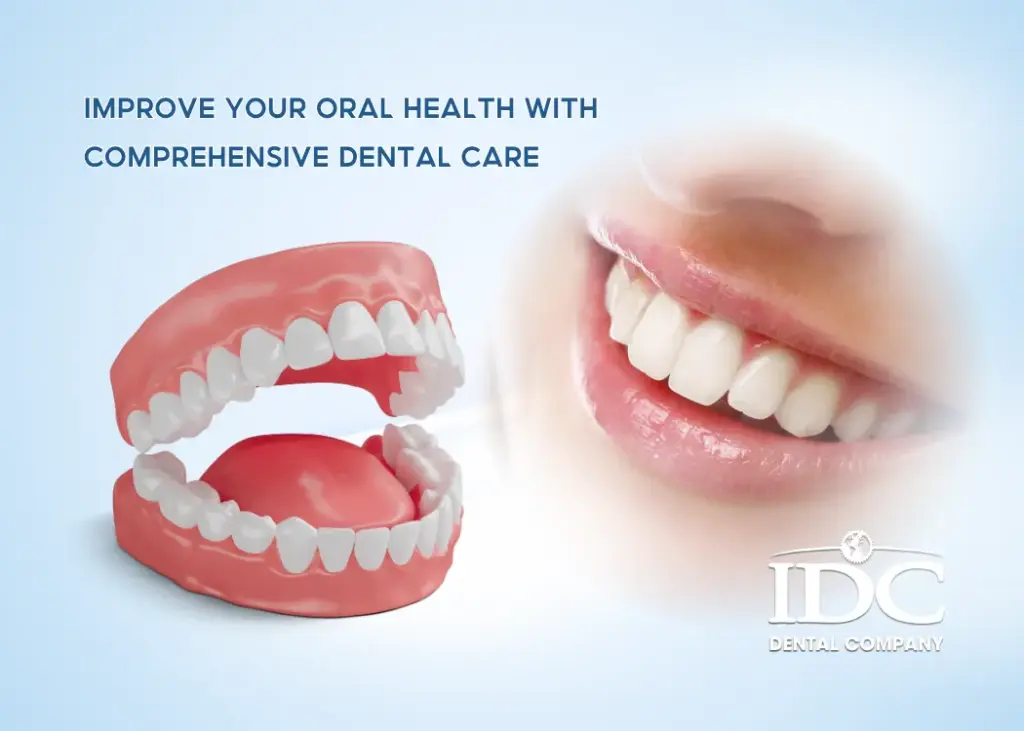
Good oral health starts with prevention, early diagnosis, and the right dental care. At IDC Da Nang Dental Office, local and international patients can access comprehensive services, from dental check-ups and professional cleaning to restorative dentistry, cosmetic treatments, orthodontics, and dental implants.
With English-speaking support for expats and travelers, IDC makes dental care in Da Nang convenient, clear, and personalized to each patient’s needs.
What Is Comprehensive Dental Care?
Comprehensive dental care is an approach that evaluates and manages your overall oral health rather than treating individual problems only when symptoms appear.
For example, if you visit a dentist because one tooth hurts, simply treating that tooth may address the immediate problem. A comprehensive examination, however, may also identify early cavities elsewhere, gum inflammation, an old crown that needs monitoring, or bite problems contributing to excessive tooth wear.
Depending on your needs, comprehensive dental care may include:
- Preventive dentistry
- Dental examinations
- Professional teeth cleaning
- Gum and periodontal care
- Dental fillings
- Root canal treatment
- Dental crowns and bridges
- Dental implants
- Cosmetic dentistry
- Orthodontic treatment
- Wisdom tooth management
- Emergency dental care
The goal is to create a treatment plan based on priorities, beginning with oral health and disease control before moving toward restorative or cosmetic improvements when appropriate.
Why Is Regular Dental Care Important?
Many dental conditions develop gradually.
A small cavity, for example, may initially cause little or no discomfort. Gum disease can also progress without severe pain in its early stages.
Waiting until a tooth becomes extremely painful may mean that the condition has already become more complicated.
Regular dental care can help identify problems such as:
- Tooth decay
- Gum inflammation
- Tartar buildup
- Cracked teeth
- Worn teeth
- Damaged fillings
- Loose or poorly fitting crowns
- Gum recession
- Bite problems
- Problems around dental implants
Early detection may allow more conservative treatment and help preserve natural tooth structure.
For this reason, you do not need to have a toothache before seeing a dentist.
What Does a Comprehensive Dental Check-Up Include?
A comprehensive dental examination can involve several steps depending on your oral health and previous dental history.
Review of Your Dental and Medical History
Your dentist may ask about:
- Current dental concerns
- Tooth pain or sensitivity
- Previous dental treatment
- Existing crowns, bridges, or implants
- Medications
- Teeth grinding
- Relevant medical conditions
This information helps provide context for the clinical examination.
Examination of Your Teeth
Each tooth may be checked for signs of:
- Cavities
- Cracks
- Fractures
- Excessive wear
- Damaged fillings
- Old crowns
- Tooth sensitivity
Existing dental restorations can also be evaluated to determine whether they remain functional.
Gum and Periodontal Evaluation
Healthy gums are an essential part of oral health.
The dentist may check for:
- Red or swollen gums
- Bleeding
- Gum recession
- Periodontal pockets
- Tooth mobility
- Loss of supporting tissues
Patients with signs of periodontal disease may require additional assessment or treatment.
Bite Evaluation
How your upper and lower teeth come together can affect chewing, tooth wear, and existing restorations.
A bite evaluation may identify:
- Malocclusion
- Excessive tooth wear
- Uneven bite forces
- Signs of grinding or clenching
Dental X-Rays and Diagnostic Imaging
Dental X-rays may be recommended when clinically appropriate.
They can provide information about structures that cannot be fully evaluated through visual examination alone, including tooth roots, supporting bone, impacted teeth, and certain types of decay.
For more complex treatments such as dental implants, additional three-dimensional imaging may sometimes be required.
Preventive Dental Care in Da Nang
Prevention is one of the foundations of comprehensive dentistry.
Preventive care may include:
- Routine dental examinations
- Professional teeth cleaning
- Plaque and tartar removal
- Oral hygiene guidance
- Fluoride treatment when appropriate
- Monitoring existing restorations
- Individualized dental recall schedules
The objective is not simply to clean the teeth but to identify risk factors and reduce the likelihood of future dental problems.
Professional Teeth Cleaning and Scaling
Even with good brushing and flossing, plaque can accumulate in areas that are difficult to reach.
When plaque remains on the teeth, minerals in saliva can cause it to harden into dental calculus or tartar. Unlike soft plaque, tartar cannot usually be removed effectively with a regular toothbrush.
Professional scaling helps remove these deposits.
Regular professional cleaning may help control:
- Plaque accumulation
- Tartar buildup
- Gum inflammation
- Bleeding gums
- Some causes of persistent bad breath
The appropriate frequency of cleaning varies depending on oral hygiene, gum health, previous periodontal disease, and individual risk factors.
Gum Care and Periodontal Treatment
Healthy teeth require healthy supporting tissues.
One of the earliest signs of gum problems is bleeding when brushing or flossing. Other symptoms may include:
- Red gums
- Swelling
- Gum tenderness
- Gum recession
- Persistent bad breath
- Loose teeth
Plaque accumulation can contribute to gingival inflammation. In susceptible individuals, untreated periodontal disease may eventually damage the tissues and bone supporting the teeth.
Depending on the condition, treatment may involve:
- Professional cleaning
- Scaling
- Scaling and root planing when indicated
- Improved home oral hygiene
- Periodontal maintenance
If your gums bleed regularly, it is better to have the cause evaluated rather than simply avoiding the area when brushing.
Treatment for Tooth Decay and Cavities
Tooth decay is one of the most common dental problems.
Early cavities may not cause obvious symptoms. As decay progresses, you may notice:
- Sensitivity to hot or cold
- Pain when eating sweets
- Food trapping
- Visible discoloration or cavities
- Toothache
- Tooth fracture
Treatment depends on how much tooth structure has been affected.
A relatively small cavity may be restored with a dental filling. More extensive damage may require an inlay, onlay, or dental crown.
If decay reaches the dental pulp, root canal treatment may be considered. Severely damaged teeth that cannot be predictably restored may sometimes require extraction.
Early diagnosis can therefore make an important difference in the amount of natural tooth structure that can be preserved.
Dental Fillings and Restorative Dentistry
Restorative dentistry focuses on repairing damaged teeth and restoring normal function.
Dental fillings may be used to restore teeth affected by cavities or certain types of minor structural damage.
Restorative treatment can also involve:
- Repairing chipped teeth
- Replacing damaged fillings
- Rebuilding weakened teeth
- Restoring worn tooth structure
- Protecting teeth after significant damage
Whenever possible, treatment should aim to preserve healthy natural tooth structure.
Root Canal Treatment
A tooth contains soft tissue known as the dental pulp. Deep decay, cracks, trauma, or other problems can sometimes cause inflammation or infection involving this tissue.
Possible symptoms include:
- Persistent toothache
- Pain when biting
- Prolonged sensitivity
- Swollen gums
- Dental abscess
Root canal treatment may be recommended when the pulp is irreversibly damaged or infected.
The procedure generally involves removing affected pulp tissue, cleaning and disinfecting the root canal system, sealing the tooth, and restoring it appropriately.
Depending on the amount of remaining tooth structure, a crown may later be recommended to protect the treated tooth.
Dental Crowns and Bridges
Dental crowns are restorations designed to cover and protect teeth that have lost significant structure.
A crown may be considered for:
- Heavily damaged teeth
- Fractured teeth
- Teeth with large restorations
- Selected root canal-treated teeth
- Severely worn teeth
- Certain cosmetic concerns
For patients with missing teeth, a dental bridge may be another restorative option in selected cases.
Before placing a crown or bridge, the dentist should evaluate the supporting teeth, gums, bite, and remaining tooth structure.
Dental Implants for Missing Teeth
Missing teeth can affect chewing, appearance, and the overall dental arch.
A dental implant is one option for replacing missing teeth. The implant is placed within the jawbone and can support a dental restoration.
Depending on the case, implants may be used for:
- One missing tooth
- Multiple missing teeth
- Implant-supported bridges
- Full-arch tooth replacement
Not everyone is automatically suitable for implant treatment.
An evaluation may consider:
- Available bone
- Gum health
- Medical history
- Position of neighboring teeth
- Bite
- Oral hygiene
- Smoking and other risk factors
Three-dimensional imaging may also be recommended when planning implant placement.
Cosmetic Dentistry in Da Nang
Oral health and dental aesthetics often overlap.
Once the teeth and gums are healthy, some patients may want to improve the appearance of their smile.
Cosmetic dentistry in Da Nang may include treatments such as:
- Professional teeth whitening
- Dental veneers
- Cosmetic crowns
- Composite bonding
- Smile enhancement
The appropriate treatment depends on the reason for the cosmetic concern.
For example, a discolored tooth caused by internal damage may require a different approach from healthy teeth that have simply become stained over time.
For this reason, cosmetic treatment should begin with a dental assessment.
Professional Teeth Whitening
Teeth can become darker or stained because of:
- Coffee
- Tea
- Tobacco
- Certain foods and drinks
- Aging
- Previous dental trauma
- Internal tooth discoloration
Professional teeth whitening may improve certain types of discoloration, but not every stain responds in the same way.
It is also important to remember that existing crowns, veneers, and fillings do not whiten in the same way as natural teeth.
If you already have restorations on your front teeth, this should be considered when planning whitening treatment.
Dental Veneers and Smile Enhancement
Dental veneers are thin restorations placed on the visible surfaces of selected teeth.
They may be considered for concerns such as:
- Persistent discoloration
- Minor chips
- Uneven tooth shape
- Small gaps
- Selected aesthetic alignment concerns
Veneers are not a substitute for treating active dental disease.
Healthy gums, stable teeth, and appropriate bite conditions should be established before cosmetic treatment.
Whenever possible, treatment planning should also consider preservation of natural tooth structure.
Orthodontic Care: Braces and Clear Aligners
Orthodontic treatment is not only about making teeth look straighter.
It can also address alignment and bite problems such as:
- Crowded teeth
- Crooked teeth
- Spacing
- Protruding teeth
- Increased overjet
- Overbite
- Certain bite abnormalities
Treatment options may include traditional braces or clear aligners such as Invisalign when appropriate.
The most suitable method depends on the complexity of tooth movement, bite relationship, periodontal health, and individual treatment goals.
Wisdom Tooth Evaluation
Wisdom teeth do not automatically need to be removed.
However, evaluation may be recommended when they cause or contribute to:
- Pain
- Recurrent gum inflammation
- Tooth decay
- Food trapping
- Difficulty cleaning
- Damage to adjacent teeth
- Other problems associated with impaction
Dental imaging may be used to evaluate the position of the wisdom tooth and surrounding structures before deciding whether removal is appropriate.
Emergency Dental Care in Da Nang
Dental emergencies can be particularly stressful when they occur while traveling.
You should consider seeking prompt dental care if you experience:
- Severe toothache
- Facial swelling
- Dental abscess
- Broken tooth
- Knocked-out tooth
- Dental trauma
- Lost filling
- Loose or damaged crown
For travelers experiencing a dental problem in Da Nang, delaying treatment until returning home may not always be appropriate, especially when significant pain, swelling, trauma, or possible infection is present.
An examination can help determine whether immediate treatment is required or whether temporary management is sufficient until further care can be arranged.
Dental Care for Children and Families
Comprehensive dental care also includes monitoring children’s oral development.
Pediatric and family dental care may involve:
- Routine dental examinations
- Cavity prevention
- Dental fillings
- Monitoring baby teeth
- Monitoring permanent tooth eruption
- Oral hygiene education
- Orthodontic assessment when appropriate
Regular dental visits can help parents identify problems early and understand how to care for their child’s teeth as they grow.
Dental Care for Expats and International Patients in Da Nang
Da Nang attracts tourists, expatriates, digital nomads, and international residents, making communication an important part of dental care.
When choosing a dentist in Da Nang for foreigners, patients may want to consider whether the clinic provides:
- English-speaking communication
- Clear explanations of dental conditions
- Detailed treatment plans
- Diagnostic imaging when required
- Information about treatment alternatives
- Clear appointment scheduling
- Follow-up instructions
International patients may also have different treatment timelines.
Someone living in Da Nang for several years can follow a different treatment schedule from a tourist staying for only five days.
The dentist should therefore know your travel schedule before starting complex treatment.
Can You Get Dental Treatment While Traveling in Da Nang?
Yes. Many types of dental treatment can be performed while visiting Da Nang, depending on your oral condition and the time available.
Travelers may seek treatment for:
- Dental examinations
- Professional teeth cleaning
- Dental fillings
- Tooth sensitivity
- Toothache
- Broken restorations
- Emergency dental problems
- Selected cosmetic procedures
More complex treatments such as dental implants, extensive restorative dentistry, or multi-stage procedures require careful planning.
Healing periods and follow-up appointments should be considered before beginning treatment.
How Often Should You Visit a Dentist?
There is no single dental recall schedule that is ideal for every patient.
The appropriate interval depends on factors such as:
- Risk of cavities
- Gum health
- Previous periodontal disease
- Existing crowns and bridges
- Dental implants
- Orthodontic treatment
- Oral hygiene
- Medical factors
- Previous dental history
Some patients require more frequent monitoring, while others may have longer intervals between examinations.
Your dentist can recommend a schedule based on your individual risk.
How to Maintain Good Oral Health Between Dental Visits
Professional dental care is important, but most oral health maintenance happens at home.
Useful habits include:
- Brush your teeth twice daily.
- Use fluoride toothpaste when appropriate.
- Clean between your teeth every day.
- Clean carefully around crowns, bridges, implants, and retainers.
- Limit frequent sugary snacks and drinks.
- Avoid smoking.
- Maintain a balanced diet.
- Do not ignore persistent bleeding gums.
- Have ongoing tooth sensitivity or pain evaluated.
- Attend recommended dental check-ups.
Good daily habits can help reduce plaque accumulation and support the long-term success of dental treatment.
How to Choose a Dental Clinic in Da Nang
If you are looking for a dental clinic in Da Nang, particularly as an international patient, avoid making your decision based solely on price.
Consider several factors.
Qualified Dental Professionals
Look for appropriately qualified dental professionals with relevant experience for the treatment you require.
Comprehensive Dental Services
A clinic offering preventive, restorative, cosmetic, orthodontic, and implant services may make it easier to coordinate multiple dental needs.
Diagnostic Technology
Appropriate dental X-rays, digital scanning, and other diagnostic technologies can support diagnosis and treatment planning when indicated.
Infection Control
Cleanliness, sterilization, and appropriate infection-control protocols are fundamental to dental care.
Clear Communication
Patients should understand:
- What the dental problem is
- Which treatment is recommended
- Available alternatives
- Expected treatment stages
- Follow-up requirements
This becomes especially important when receiving dental treatment in another country.
Personalized Treatment Planning
A comprehensive dental plan should be based on diagnosis and individual priorities rather than recommending the same treatment to every patient.
Why Is Comprehensive Dental Care Better Than Treating Problems Individually?
A symptom-based approach often looks like this:
Tooth hurts → treat tooth → wait until another problem occurs.
Comprehensive dentistry takes a broader view:
Teeth + gums + bite + supporting bone + existing restorations + oral hygiene + aesthetics + long-term maintenance.
For example, a patient may visit because of a broken crown. A comprehensive evaluation could identify that the crown failed partly because of an uneven bite or teeth grinding.
Simply replacing the crown without considering the underlying cause could leave the same risk factor untreated.
Comprehensive care therefore helps establish priorities and coordinate different treatments around the long-term health of the mouth.
Frequently Asked Questions About Dental Care in Da Nang
Can foreigners visit a dentist in Da Nang?
Yes. International residents and visitors can receive dental care in Da Nang. If you do not speak Vietnamese, consider choosing a clinic that can communicate clearly in English and explain treatment options, costs, timelines, and follow-up requirements.
Can I have my teeth cleaned while visiting Da Nang?
Yes. A dental check-up and professional cleaning can often be incorporated into a trip, depending on your oral health. If significant gum disease is identified, additional periodontal treatment may be recommended.
What should I do if I have a toothache while traveling in Da Nang?
Arrange a dental examination, particularly if the pain is severe, persistent, or associated with swelling or fever. Toothache has many possible causes, so diagnosis should come before treatment.
Can I get a dental crown in Da Nang?
Dental crowns are available as part of restorative dental care. Whether you need one depends on the condition of the tooth, remaining tooth structure, bite, and other clinical factors.
Can I get dental implants in Da Nang?
Dental implants may be an option for suitable patients with missing teeth. Implant treatment requires assessment of the gums, bone, medical history, and other factors, and treatment may involve multiple stages.
Is Invisalign available for patients in Da Nang?
Clear aligner orthodontic treatment, including Invisalign at providers offering the system, may be considered for suitable cases. A proper orthodontic assessment is necessary to determine whether clear aligners can achieve the required tooth and bite correction.
Should I visit a dentist if nothing hurts?
Yes. Many cavities, gum problems, and failing restorations can initially cause few symptoms. Preventive examinations can help identify problems before they become more advanced.



 WhatsApp