
Is root canal treatment painful? This is one of the most common concerns among patients who need root canal therapy. The good news is that modern root canal treatment is designed to relieve pain, not cause it.
Thanks to advances in dental technology, effective local anesthesia, and modern techniques, most patients experience little to no pain during the procedure. In fact, many describe it as being similar to getting a routine dental filling.
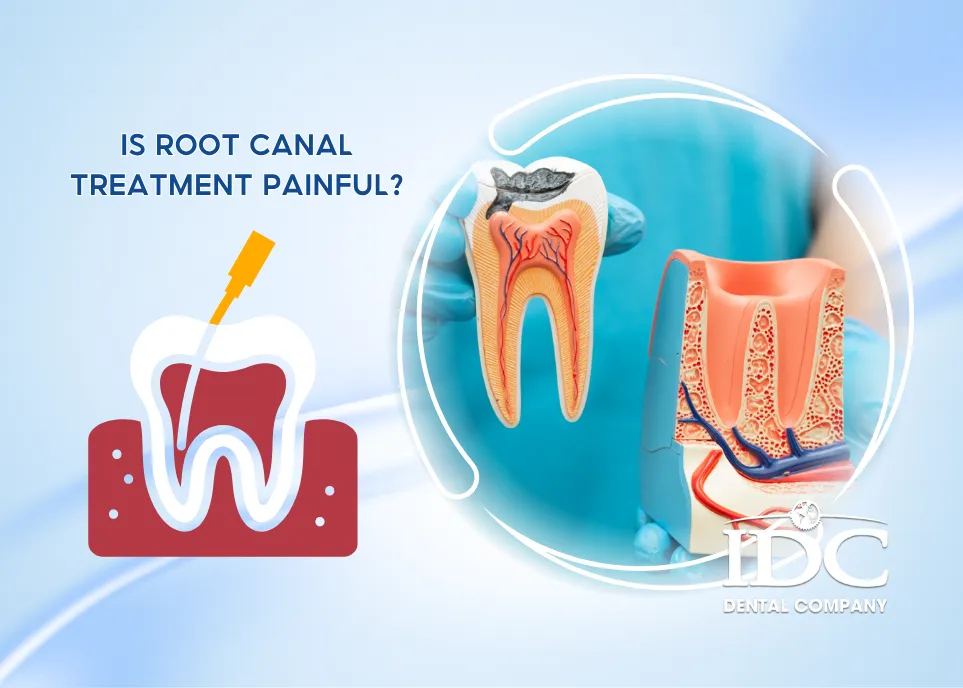
In this article, we’ll explain whether root canal treatment is painful, what to expect during the procedure, and how modern dentistry helps make the experience more comfortable than ever.
Why do people think root canal treatment is painful?
Root canals have a reputation for being painful, but that reputation is largely outdated.
Years ago, dental technology and anesthetics were not as advanced as they are today. Patients often experienced discomfort during dental procedures, and stories about painful root canals have continued to spread over time.
Another reason is that many people confuse the pain caused by an infected tooth with the treatment itself.
A tooth that requires root canal treatment is often severely infected or inflamed. The infection inside the tooth can cause:
- Persistent toothache
- Sharp pain when chewing
- Sensitivity to hot or cold foods
- Swelling around the gums
- Difficulty sleeping due to pain
In reality, root canal treatment is performed to remove the source of the pain, helping patients feel better rather than worse.
Is root canal treatment painful during the procedure?
For most patients, the answer is no.
Before the procedure begins, the dentist will administer a local anesthetic to numb the tooth and surrounding area. This ensures that you remain comfortable throughout the treatment.
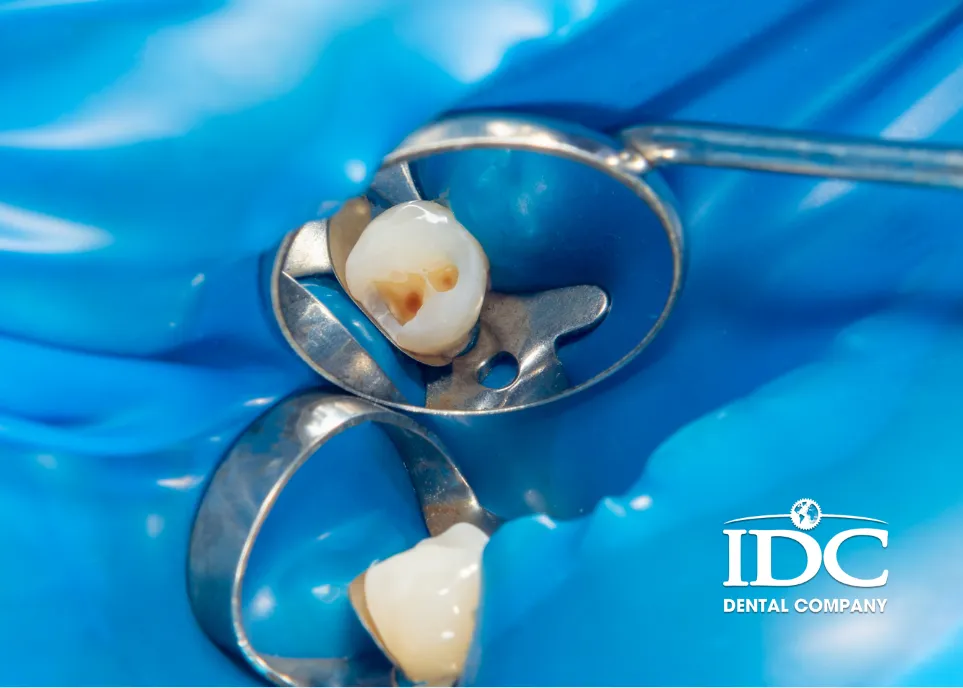
Most patients describe the experience as:
- Feeling pressure but not pain
- Feeling vibrations from dental instruments
- Occasionally feeling mild discomfort, but not sharp pain
In many cases, patients are surprised at how comfortable the procedure feels.
In fact, many dentists compare the experience of a root canal to having a cavity filled.
The goal of the procedure is simple:
- Remove infected pulp tissue
- Clean and disinfect the root canals
- Seal the tooth to prevent future infection
- Relieve pain and preserve the natural tooth
Because the nerve inside the tooth is removed, the source of pain is eliminated during treatment.
What happens during root canal treatment?
Understanding the procedure can help reduce anxiety.
A root canal treatment usually involves the following steps:
1. Examination and Digital X-rays
The dentist examines the tooth and takes digital X-rays to evaluate:
- The extent of infection
- The shape of the root canals
- The condition of the surrounding bone
This helps create a precise treatment plan.
2. Local Anesthesia
The treatment area is numbed using local anesthesia.
Most patients do not feel pain during the procedure.
3. Removing the Infected Pulp
The dentist creates a small opening in the tooth and carefully removes:
- Infected pulp tissue
- Damaged nerves
- Bacteria and debris
4. Cleaning and Shaping the Root Canals
The root canals are cleaned and disinfected using specialized instruments and irrigation solutions.
Modern rotary instruments allow dentists to perform this step more quickly and comfortably.
5. Filling and Sealing the Tooth
After cleaning, the canals are filled with a biocompatible material and sealed to prevent reinfection.
In many cases, the tooth is restored with a dental crown to improve strength and appearance.
Is root canal treatment painful after the procedure?
It is normal to experience some mild discomfort after the treatment.
However, the discomfort is usually manageable and temporary.
You may experience:
- Mild soreness around the treated tooth
- Sensitivity when biting
- Slight tenderness in the surrounding gums
This is a normal part of the healing process and typically improves within a few days.
Most patients can:
- Return to work the next day
- Resume normal activities quickly
- Eat normally after following the dentist’s instructions
Over-the-counter pain relievers are often enough to control any temporary discomfort.
How long does the discomfort last?
The recovery period varies from person to person.
For most patients:
- Mild discomfort lasts 2–3 days
- Sensitivity may continue for up to one week
- The tooth gradually feels normal again
If the tooth was severely infected before treatment, healing may take slightly longer.
However, the pain caused by the original infection is usually significantly reduced or completely eliminated after treatment.
When should you contact your dentist?
Although complications are uncommon, you should contact your dentist if you experience:
- Severe pain that worsens over time
- Significant swelling
- Fever
- Difficulty swallowing
- Persistent pain lasting more than a week
- A loose temporary filling
These symptoms may indicate that additional treatment is needed.
Prompt follow-up care can help ensure successful healing.
What factors affect pain levels during root canal treatment?
Not every patient experiences the same level of discomfort.
Several factors can influence how you feel before and after treatment.
Severity of the Infection
A tooth with a severe infection may be more painful before treatment.
The larger the infection, the more inflammation may be present around the tooth.
Fortunately, removing the infected tissue usually provides significant relief.
Tooth Location
Front teeth often have:
- One root canal
- Simpler anatomy
- Shorter treatment times
Molars typically have:
- Multiple canals
- More complex anatomy
- Longer treatment times
However, modern technology allows dentists to treat both effectively and comfortably.
Dentist’s Experience
An experienced dentist can make a big difference.
Using:
- Digital X-rays
- Rotary endodontic instruments
- Advanced cleaning systems
- Modern anesthesia techniques
Dentists can perform root canal treatment with greater precision and efficiency, helping patients feel more comfortable throughout the procedure.
How dentists help reduce pain during root canal treatment
Modern dentistry focuses heavily on patient comfort.
Dentists use several methods to reduce discomfort:
Effective Local Anesthesia
Local anesthesia numbs the tooth and surrounding tissue.
The dentist ensures that you are comfortable before beginning treatment.
Modern Technology
Advanced equipment allows for:
- Faster treatment
- More accurate diagnosis
- Less trauma to surrounding tissues
- Improved cleaning and disinfection
Technology plays an important role in making root canal treatment more comfortable than ever before.
Patient-Centered Care
For anxious patients, dentists may also provide:
- Gentle communication
- Step-by-step explanations
- Relaxing treatment environments
- Sedation options when appropriate
Helping patients feel relaxed is an important part of the treatment process.
What happens if you delay root canal treatment?
Ignoring an infected tooth can lead to serious complications.
Without treatment, the infection may continue to spread and cause:
Increasing Tooth Pain
Pain may become:
- More intense
- Constant
- Difficult to control with medication
Dental Abscess
An untreated infection can form an abscess, causing:
- Swelling
- Pus formation
- Bad taste in the mouth
- Facial pain
In severe cases, the infection may spread to other areas of the body.
Tooth Loss
If the infection progresses too far, the tooth may no longer be salvageable.
Extraction may become the only option.
This is why early treatment is often the best way to save your natural tooth and avoid more extensive procedures.
Benefits of root canal treatment
Root canal treatment offers many benefits beyond pain relief.
Saves Your Natural Tooth
Keeping your natural tooth helps:
- Maintain proper chewing function
- Preserve jawbone health
- Keep neighboring teeth stable
Eliminates Infection
The procedure removes:
- Infected pulp
- Harmful bacteria
- Inflamed tissue
This helps stop the infection from spreading.
Restores Comfort and Confidence
After treatment, many patients can:
- Eat comfortably again
- Sleep without pain
- Smile with confidence
- Return to their daily activities quickly
For many people, root canal treatment greatly improves their quality of life.
Root canal treatment at IDC Danang Dental
At IDC Danang Dental, we understand that many patients feel nervous about root canal treatment.
Our experienced dentists use modern technology, digital imaging, and gentle techniques to provide comfortable and effective care.
We focus on:
- Accurate diagnosis
- Effective pain control
- Modern endodontic technology
- Personalized treatment plans
- Transparent communication
For international patients, our English-speaking staff is always ready to answer questions and help make the experience smooth and stress-free.




 WhatsApp