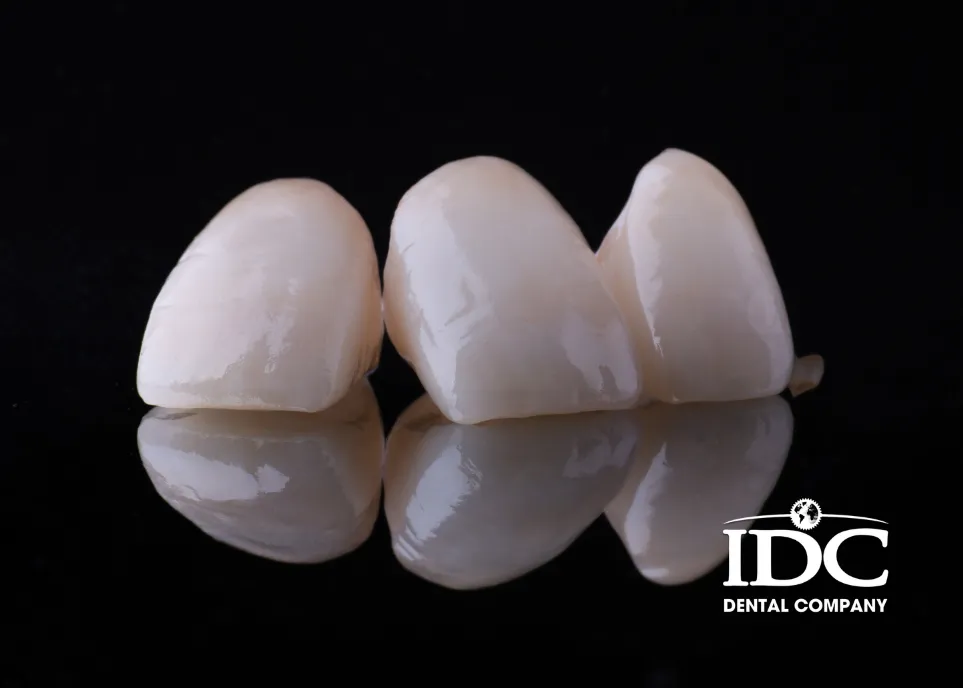
A Porcelain Crown is one of the most effective restorative dental treatments available today, helping patients repair damaged teeth and achieve a more natural, confident smile. Despite being a common procedure, many first-time patients still have concerns about pain, durability, appearance, and whether the treatment is truly necessary.
Thanks to advances in cosmetic and restorative dentistry, modern porcelain crowns now offer exceptional aesthetics, strength, and comfort. They can restore teeth affected by fractures, large cavities, severe wear, or root canal treatment while blending seamlessly with surrounding natural teeth.
This comprehensive guide will walk you through everything first-time patients should know about porcelain crowns—from materials and procedures to costs, benefits, risks, and long-term maintenance.
What Is a Porcelain Crown?
A porcelain crown is a custom-made cap that completely covers a damaged or weakened tooth. It is designed to restore the tooth’s shape, strength, function, and appearance while protecting it from further damage.
Unlike removable dentures, porcelain crowns are permanently fixed onto the tooth. Once placed, they look and function very similarly to natural teeth.
Modern porcelain crowns are carefully crafted to match:
- Tooth color
- Shape
- Size
- Bite alignment
- Natural translucency
This makes them one of the most aesthetic dental restorations available today.
Porcelain crowns are commonly used in:
- Cosmetic dentistry
- Restorative dentistry
- Smile makeover treatments
- Full mouth rehabilitation
Why Do People Need Porcelain Crowns?
There are many situations where a porcelain crown becomes necessary.
Severely Damaged Teeth
When a tooth is cracked, broken, or weakened, a regular filling may no longer provide enough support. A crown acts like a protective shield around the tooth.
Large Cavities or Fillings
Teeth with large fillings often become structurally weak over time. Porcelain crowns help prevent fractures and preserve the tooth.
After Root Canal Treatment
A root canal-treated tooth can become brittle because the nerve and blood supply are removed.
Dentists frequently recommend crowns after root canal treatment to protect the tooth long-term.
Cosmetic Improvement
Some patients choose porcelain crowns to improve:
- Tooth shape
- Tooth color
- Uneven teeth
- Worn-down teeth
- Smile symmetry
This is especially common in smile makeover procedures.
Worn Teeth from Grinding
People who grind their teeth often suffer from severe enamel wear. Crowns can rebuild the original tooth structure and improve chewing function.
Types of Porcelain Crowns
Not all porcelain crowns are the same. Different materials are used depending on the location of the tooth, bite force, and cosmetic goals.
Full Porcelain Crowns
These crowns are made entirely from ceramic or porcelain materials.
Advantages:
- Excellent aesthetics
- Natural translucency
- No metal
- Ideal for front teeth
They are often preferred for visible smile areas.
Zirconia Crowns
Zirconia crowns are extremely strong while still maintaining a natural appearance.
Advantages:
- High durability
- Strong chewing resistance
- Long lifespan
- Good aesthetics
They are commonly used for molars and back teeth.
E-Max Crowns
E-Max crowns are considered one of the premium options in cosmetic dentistry.
Advantages:
- Ultra-natural appearance
- Thin yet durable
- Excellent light reflection
- Ideal for veneers and front teeth
Many cosmetic dentists prefer E-Max for smile makeovers.
Porcelain Fused to Metal (PFM)
PFM crowns combine a metal base with a porcelain outer layer.
Advantages:
- Strong structure
- More affordable
Disadvantages:
- Metal line may appear over time
- Less natural than full ceramic crowns
Today, many clinics are shifting toward metal-free crowns for better aesthetics.
Porcelain Crown vs Veneers
Patients often confuse crowns with veneers, but they are very different treatments.
Veneers
- Cover only the front surface of the tooth
- Require minimal tooth reduction
- Mainly cosmetic
Porcelain Crowns
- Cover the entire tooth
- Provide structural support
- Suitable for damaged or weak teeth
If a tooth is severely damaged, a crown is usually the better option.
The Porcelain Crown Procedure Step by Step
Understanding the process can help first-time patients feel much more comfortable.
Step 1: Consultation and Examination
The dentist examines:
- Tooth condition
- Gum health
- Bite alignment
- X-rays and scans
A treatment plan is then created.
Step 2: Tooth Preparation
The damaged portion of the tooth is removed.
The dentist reshapes the tooth slightly so the crown can fit properly.
Local anesthesia is used, so the procedure is generally painless.
Step 3: Digital Scan or Impression
Modern clinics often use digital intraoral scanners instead of traditional impressions.
This improves:
- Accuracy
- Comfort
- Crown fit
- Final aesthetics
Step 4: Temporary Crown
A temporary crown may be placed while the permanent crown is being fabricated.
This protects the prepared tooth from sensitivity and damage.
Step 5: Final Crown Placement
Once the final crown is ready:
- The fit is checked
- Bite alignment is adjusted
- The crown is permanently cemented
After placement, the crown should feel comfortable and natural.
Does Getting a Porcelain Crown Hurt?
This is one of the most common questions among first-time patients.
The answer is usually no.
During the procedure, local anesthesia keeps the area numb and comfortable.
After treatment, mild sensitivity or soreness may occur for a few days, especially around the gums. However, this is temporary and manageable.
Patients who experience severe pain, bite discomfort, or persistent sensitivity should contact their dentist for evaluation.
How Long Do Porcelain Crowns Last?
On average, porcelain crowns can last:
- 10 to 15 years
- Sometimes 20 years or more with proper care
The lifespan depends on several factors:
- Oral hygiene
- Teeth grinding habits
- Crown material
- Dentist skill
- Bite pressure
- Regular dental checkups
Good maintenance significantly increases longevity.
Advantages of Porcelain Crowns
Natural Appearance
Modern crowns are highly aesthetic and almost indistinguishable from natural teeth.
Strong Protection
Crowns protect weakened teeth from further fractures or decay.
Improved Chewing Function
Patients can comfortably chew and bite again.
Long-Term Solution
When properly maintained, porcelain crowns are highly durable.
Stain Resistance
High-quality porcelain materials resist staining better than natural enamel.
Potential Disadvantages of Porcelain Crowns
Although crowns are excellent restorations, they also have limitations.
Tooth Reduction
Some natural tooth structure must be removed to fit the crown.
Temporary Sensitivity
Some patients experience mild sensitivity after treatment.
Risk of Chipping
Although rare, porcelain can chip under extreme force.
Replacement Over Time
Crowns are durable but may eventually need replacement after many years.
How Much Does a Porcelain Crown Cost?
The cost varies greatly depending on:
- Country
- Material
- Technology
- Dentist expertise
- Clinic reputation
Approximate costs:
- USA: $1,000–$2,500 per tooth
- Australia: $1,200–$2,000
- UK: £700–£1,500
- Vietnam: $200–$700
This price difference is one reason many international patients choose dental tourism destinations like Vietnam.
Why Many International Patients Choose Vietnam for Porcelain Crowns
Vietnam has become one of Asia’s leading dental tourism destinations.
Affordable Pricing
Patients can save 50–80% compared to Western countries.
Modern Technology
Many clinics now use:
- CAD/CAM systems
- Digital smile design
- 3D scanners
- High-quality imported materials
Experienced Dentists
Leading clinics often have internationally trained cosmetic dentists.
Travel Opportunity
Patients can combine dental treatment with vacation experiences in cities like:
- Da Nang
- Ho Chi Minh City
- Hanoi
How to Choose the Right Dental Clinic
Choosing the right clinic is extremely important for long-term success.
Check Dentist Experience
Look for clinics specializing in:
- Cosmetic dentistry
- Restorative dentistry
- Smile makeovers
Review Before-and-After Cases
Real treatment results help evaluate aesthetic quality.
Read Reviews Carefully
Check:
- Google Reviews
- International patient feedback
- Social proof
- Treatment testimonials
Ask About Materials
High-quality crowns usually use:
- Zirconia
- E-Max
- Premium ceramic systems
Patients should also ask about warranties.
Frequently Asked Questions
Can Porcelain Crowns Look Natural?
Yes. Modern crowns are designed to mimic natural teeth very closely.
Can I Eat Normally with a Crown?
Absolutely. Once adjusted properly, crowns function like normal teeth.
Do Porcelain Crowns Stain?
High-quality porcelain is highly stain-resistant.
Can Crowns Be Whitened?
No. Crowns do not respond to whitening treatments like natural teeth.
How Many Visits Are Needed?
Usually:
- 2 visits for traditional crowns
- Sometimes 1 visit with the same-day CAD/CAM systems


 WhatsApp