
A temporary filling is often placed by a dentist after a root canal treatment, emergency dental procedure, or when multiple appointments are required before a permanent restoration can be completed. Although temporary fillings play an important role in protecting the tooth, they are not designed to withstand the same chewing forces as permanent fillings or dental crowns.
Many patients wonder: What should you avoid eating with a temporary filling? The answer is simple—certain foods can loosen, crack, or completely dislodge the filling, potentially leading to pain, infection, or delays in treatment.
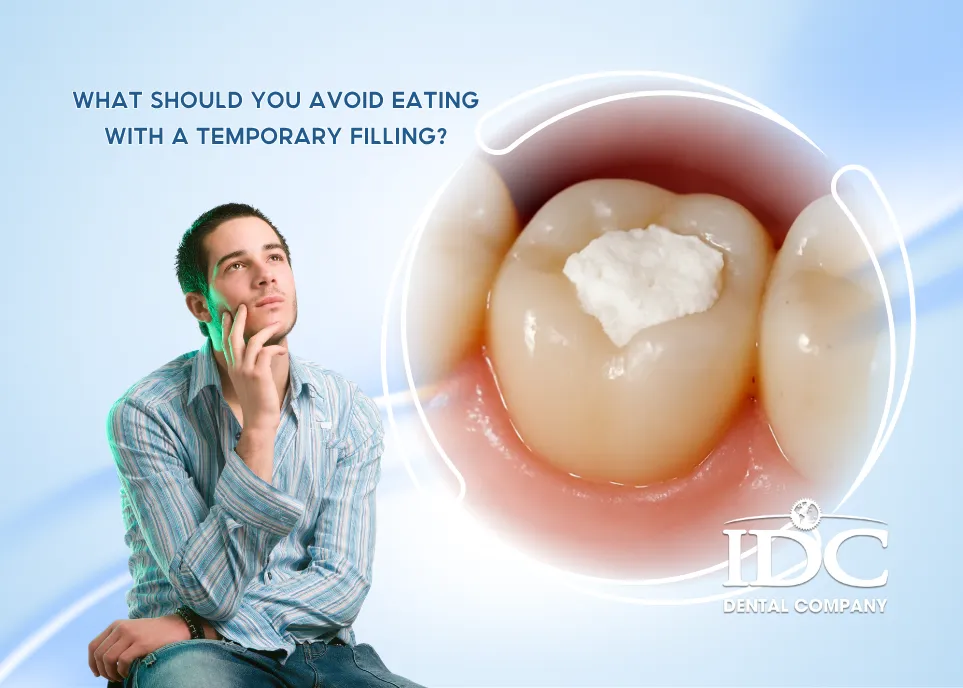
In this guide, we’ll explain which foods you should avoid, what foods are safe to eat, and how to protect your temporary filling until your next dental appointment.
What is a temporary filling?
A temporary filling is a short-term dental restoration used to protect a tooth between dental visits. Dentists commonly place temporary fillings after:
- Root canal treatment
- Deep cavity treatment
- Emergency dental care
- Treatment requiring multiple appointments
- Preparation for a dental crown
Temporary fillings are typically made from softer materials than permanent restorations. Their primary purpose is to seal the tooth and prevent bacteria from entering the treated area until a permanent filling or crown can be placed.
Because these materials are designed for short-term use, they require extra care when eating and drinking.
Why Is It Important to be careful about what you eat?
Many people assume they can eat normally after receiving a temporary filling. While you can generally continue your daily activities, dietary precautions are extremely important.
Temporary Fillings Are Not as Strong as Permanent Restorations
Unlike permanent composite fillings or crowns, temporary fillings are made from softer materials that can wear down or break more easily.
Excessive chewing pressure can damage the filling and expose the treated tooth underneath.
Food Can Affect Healing
After a root canal or deep cavity treatment, the tooth may still be sensitive. Certain foods can irritate the area and delay recovery.
Choosing appropriate foods helps:
- Reduce discomfort
- Minimize tooth sensitivity
- Prevent accidental filling damage
- Protect the underlying tooth structure
Risks of damaging a temporary filling
If a temporary filling becomes loose or falls out, several complications may occur:
- Tooth sensitivity
- Pain when chewing
- Bacterial contamination
- Reinfection of the root canal system
- Need for additional treatment
For these reasons, dentists strongly recommend avoiding certain foods until the permanent restoration is placed.
Foods you should avoid with a temporary filling
Hard Foods
Hard foods are among the biggest threats to a temporary filling.
Examples include:
- Nuts
- Ice cubes
- Hard candies
- Popcorn kernels
- Hard crackers
- Hard bread crusts
Biting into hard foods creates significant pressure on the filling. This force can crack the temporary material or loosen it from the tooth.
Even if the filling remains in place, microscopic damage may occur and increase the risk of failure.
Sticky Foods
Sticky foods are another major concern.
Examples include:
- Chewing gum
- Caramel
- Toffee
- Taffy
- Sticky candy
- Gummy candies
Sticky foods can adhere to the filling and pull it out during chewing.
Many patients accidentally lose temporary fillings while chewing gum because the adhesive force is stronger than the bond holding the temporary material in place.
If your dentist has placed a temporary filling, it is best to completely avoid sticky foods until your permanent restoration is completed.
Crunchy Foods
Crunchy foods may not seem dangerous, but they can still damage a temporary filling.
Examples include:
- Potato chips
- Pretzels
- Tortilla chips
- Crispy snacks
- Toasted bread
Crunchy foods create uneven chewing forces that can weaken or fracture the filling material.
Sharp fragments can also irritate sensitive areas around the treated tooth.
Extremely Hot Foods and Drinks
Temperature sensitivity is common after dental treatment.
Foods and beverages to be cautious with include:
- Hot coffee
- Tea
- Soup
- Hot chocolate
- Boiling water
Very hot temperatures can increase discomfort and sensitivity around the treated tooth.
In some cases, temperature changes may cause temporary expansion and contraction of the filling material, potentially affecting its seal.
Extremely Cold Foods and Drinks
Cold foods can also trigger sensitivity.
Examples include:
- Ice cream
- Ice water
- Frozen yogurt
- Smoothies with ice
- Popsicles
After a root canal or deep cavity treatment, the tooth and surrounding tissues may remain sensitive for several days.
Consuming very cold foods may cause discomfort and make chewing unpleasant.
Sugary Foods and Beverages
Sugar feeds bacteria in the mouth.
Examples include:
- Soft drinks
- Candy
- Chocolate
- Sweet desserts
- Energy drinks
Although the temporary filling covers the tooth, excessive sugar consumption can increase bacterial activity and contribute to decay in surrounding teeth.
Good oral hygiene remains essential while wearing a temporary filling.
Foods that are safe to eat with a temporary filling
Fortunately, many foods are gentle on temporary fillings and comfortable to eat.
Soft Foods
Soft foods require minimal chewing and place less stress on the filling.
Good options include:
- Mashed potatoes
- Oatmeal
- Yogurt
- Pudding
- Scrambled eggs
- Cottage cheese
These foods provide nutrition while helping protect the temporary restoration.
Soft Protein Sources
Protein supports healing and overall health.
Recommended choices include:
- Fish
- Soft chicken
- Ground turkey
- Tofu
- Soft-cooked beans
These foods are generally easy to chew and unlikely to damage the filling.
Soft Fruits and Vegetables
Many fruits and vegetables can still be enjoyed.
Examples include:
- Bananas
- Avocados
- Applesauce
- Cooked carrots
- Steamed vegetables
These options provide essential vitamins and minerals without putting excessive pressure on the tooth.
Additional eating tips for protecting a temporary filling
Chew on the Opposite Side of Your Mouth
One of the simplest ways to protect a temporary filling is to avoid chewing directly on the treated tooth.
Whenever possible:
- Use the opposite side of your mouth
- Avoid biting down forcefully
- Be mindful when eating harder foods
This reduces the risk of accidental damage.
Take Smaller Bites
Large bites often require stronger chewing forces.
Smaller bites are easier to control and reduce stress on the filling.
Eating slowly also allows you to avoid accidentally biting the treated tooth.
Eat Carefully
Many temporary fillings are lost not because of food itself, but because patients chew too aggressively.
Take your time when eating and avoid habits such as:
- Biting fingernails
- Chewing ice
- Opening packages with your teeth
Maintain Good Oral Hygiene
Proper oral hygiene helps protect both the temporary filling and the surrounding teeth.
Continue to:
- Brush twice daily
- Use a soft-bristle toothbrush
- Floss carefully
- Rinse as directed by your dentist
When flossing near a temporary filling, gently slide the floss out rather than snapping it upward, which may dislodge the filling.
Signs that your temporary filling has been damaged
Even with proper care, temporary fillings can occasionally become damaged.
Watch for the following warning signs.
The Filling Feels Loose
If the filling moves when you touch it with your tongue, it may be partially detached.
Increased Tooth Sensitivity
Sudden sensitivity to hot, cold, or pressure can indicate that the seal has been compromised.
Pain While Chewing
Pain during chewing may suggest that the filling has cracked or shifted.
Missing Filling Material
If you notice a hole in the tooth or see pieces of filling material in your mouth, contact your dentist immediately.
Rough or Sharp Edges
A damaged filling may feel rough or uneven.
This can irritate your tongue or cheeks and indicate that the restoration needs attention.
What should you do if your temporary filling falls out?
Losing a temporary filling can be alarming, but it is usually manageable if addressed promptly.
Stay Calm
The most important step is not to panic.
A lost temporary filling does not always mean the tooth is permanently damaged.
Avoid Chewing on the Affected Side
Protect the exposed tooth by chewing on the opposite side of your mouth.
Avoid hard, sticky, and sugary foods.
Contact Your Dentist
Schedule an appointment as soon as possible.
The sooner the filling is replaced, the lower the risk of contamination or further damage.
Keep the Area Clean
Continue brushing gently and rinse with warm salt water if recommended by your dentist.
Frequently asked questions about eating with a temporary filling
Can I Eat Normally with a Temporary Filling?
You can eat most foods, but it is important to avoid hard, sticky, and crunchy items that may damage the filling.
Can I Drink Coffee?
Yes, but it is best to allow the filling to set according to your dentist’s instructions and avoid extremely hot beverages if the tooth is sensitive.
Can I Eat Pizza?
Soft pizza is usually acceptable, but hard crusts should be avoided.
Can I Chew Gum?
No. Chewing gum is one of the most common causes of temporary fillings becoming dislodged.
What Happens If I Accidentally Eat Something Hard?
If the filling feels normal afterward, monitor the tooth. However, if you experience pain, sensitivity, or notice damage, contact your dentist.
When should you contact your dentist?
Seek professional care if you experience:
- Persistent tooth pain
- A loose filling
- A missing filling
- Swelling around the tooth
- Signs of infection
- Difficulty chewing
Prompt treatment can prevent more serious complications and help ensure the successful completion of your dental procedure.

 WhatsApp