
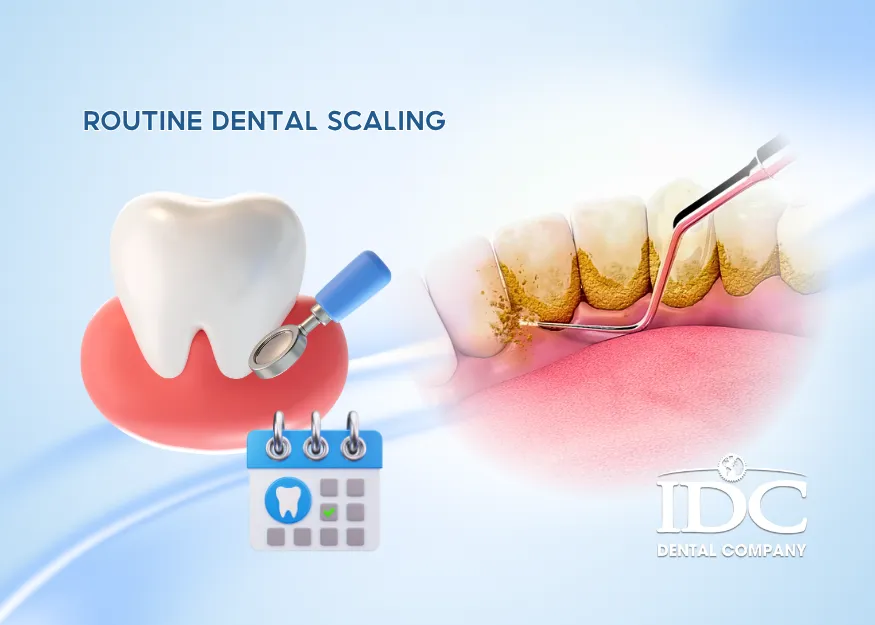
Routine dental scaling is one of the most important preventive dental treatments for maintaining healthy teeth and gums. Even with good brushing and flossing habits, plaque can still build up in hard-to-reach areas of the mouth. Over time, this plaque hardens into tartar, which cannot be removed with a regular toothbrush at home.
When tartar stays on the teeth, it can irritate the gums, cause bad breath, increase the risk of cavities, and eventually lead to gum disease. This is why regular dental scaling is essential for long-term oral health.
In this guide, you will learn what routine dental scaling is, why it matters, how often you should have it done, what happens during the procedure, and how it helps protect your natural teeth.
What Is Routine Dental Scaling?
Routine dental scaling is a professional dental cleaning procedure that removes plaque, tartar, and bacteria from the surfaces of the teeth and around the gumline. It is usually performed by a dentist or dental hygienist using special dental instruments.
Unlike daily brushing, dental scaling can remove hardened tartar that has attached firmly to the teeth. It can also clean areas that are difficult to reach with a toothbrush or floss, especially between teeth and near the gums.
Routine dental scaling is often part of a regular dental checkup and may be combined with polishing to make the teeth smoother and cleaner.
Plaque vs Tartar: What Is the Difference?
Plaque is a soft, sticky film of bacteria that forms on the teeth every day. It develops after eating and drinking, especially when food particles and sugars remain in the mouth.
If plaque is not removed properly, it hardens into tartar, also called dental calculus. Tartar is much harder than plaque and strongly attaches to the tooth surface.
The main difference is that plaque can usually be removed with proper brushing and flossing, while tartar cannot be removed at home. Once tartar forms, professional dental scaling is needed.
Why Is Routine Dental Scaling Important?
Routine dental scaling is important because it helps prevent oral health problems before they become serious. Many dental diseases begin with plaque and tartar buildup.
When tartar collects around the gumline, it creates an ideal environment for bacteria. These bacteria can irritate the gums and cause inflammation. Early gum inflammation is called gingivitis. If left untreated, it can progress into periodontitis, a more serious form of gum disease that can damage the bone and tissues supporting the teeth.
By removing plaque and tartar regularly, dental scaling helps keep the mouth clean, healthy, and protected.
Removes Plaque and Hardened Tartar
The most direct benefit of routine dental scaling is the removal of plaque and tartar. Even patients who brush carefully may still miss certain areas, such as behind the lower front teeth, between molars, or near the gumline.
Scaling removes these deposits before they cause more serious problems. A clean tooth surface also makes it harder for new plaque to build up quickly.
Prevents Gum Disease
Gum disease is one of the most common consequences of poor plaque and tartar control. It often begins with red, swollen, or bleeding gums.
Routine dental scaling helps reduce bacteria around the gums and lowers the risk of gum inflammation. For patients who already have early signs of gingivitis, scaling may help restore healthier gums when combined with good home care.
Preventing gum disease is important because advanced gum disease can lead to gum recession, loose teeth, bone loss, and tooth loss.
Helps Prevent Tooth Decay
Plaque contains bacteria that produce acids. These acids can weaken tooth enamel and lead to cavities.
Routine dental scaling removes plaque and tartar from areas where cavities commonly develop. While scaling does not replace brushing, flossing, or fluoride use, it plays an important role in reducing the risk of tooth decay.
Reduces Bad Breath
Persistent bad breath, also called halitosis, is often related to bacteria in the mouth. Tartar buildup, gum inflammation, and trapped food particles can all contribute to unpleasant breath.
By removing bacteria and hardened deposits, routine dental scaling helps improve breath freshness and overall mouth cleanliness.
Maintains Healthy Gums
Healthy gums should look firm, pink, and comfortable. They should not bleed easily during brushing or flossing.
When tartar builds up around the gumline, the gums may become irritated and inflamed. Routine dental scaling helps maintain clean gum margins and supports healthier gum tissue.
Helps Preserve Natural Teeth
One of the main goals of preventive dentistry is to help patients keep their natural teeth for as long as possible. Routine dental scaling supports this goal by reducing the risk of gum disease, cavities, and tooth loss.
Many serious dental problems can be avoided or managed earlier with regular professional care.
Who Should Get Routine Dental Scaling?
Most people can benefit from routine dental scaling. It is recommended for adults, teenagers, and patients with a higher risk of plaque and tartar buildup.
Patients with braces often need extra attention because brackets and wires make cleaning more difficult. Smokers may also develop more staining and tartar accumulation. People with gum disease, diabetes, dry mouth, or dental restorations such as crowns and bridges may need more frequent professional cleanings.
Your dentist will recommend the right schedule based on your oral health condition.
How Often Should You Have Dental Scaling?
For many patients, routine dental scaling is recommended every six months. This schedule helps remove tartar before it causes major problems and allows the dentist to monitor oral health regularly.
However, some patients may need scaling more often, such as every three or four months. This may be recommended for people with gum disease, heavy tartar buildup, smoking habits, diabetes, dry mouth, or difficulty maintaining oral hygiene at home.
There is no single schedule that fits everyone. The best frequency depends on your gum health, tartar buildup, lifestyle, and risk factors.
What Happens During a Dental Scaling Appointment?
A routine dental scaling appointment usually begins with an oral examination. The dentist or hygienist checks the teeth, gums, and overall condition of the mouth.
Next, plaque and tartar are removed using hand instruments or an ultrasonic scaler. An ultrasonic scaler uses gentle vibrations and water spray to break apart tartar deposits and flush away debris.
The dentist or hygienist may clean above and slightly below the gumline, depending on the amount of buildup. After scaling, the teeth are often polished to remove surface stains and create a smoother tooth surface.
In some cases, fluoride treatment may be recommended to strengthen the enamel and help reduce cavity risk.
Is Dental Scaling Painful?
For most patients, routine dental scaling is not painful. You may feel vibration, pressure, or water spray during the procedure, but it is usually comfortable.
If you have sensitive teeth, gum inflammation, or heavy tartar buildup, you may feel mild discomfort. In these cases, your dentist can adjust the technique or use local anesthesia when necessary.
After scaling, some patients may experience temporary tooth sensitivity or mild gum tenderness. This usually improves within a few days.
Dental Scaling vs Teeth Cleaning
The terms dental scaling and teeth cleaning are often used together, but they are not always exactly the same.
Routine teeth cleaning may include plaque removal, scaling, polishing, and oral hygiene instruction. Dental scaling specifically refers to removing plaque and hardened tartar from the tooth surfaces and gumline.
In many dental clinics, routine scaling and polishing are part of a standard professional cleaning appointment.
Routine Dental Scaling vs Deep Cleaning
Routine dental scaling is preventive and is usually done for patients with generally healthy gums or mild plaque buildup.
Deep cleaning, also called scaling and root planing, is different. It is used to treat gum disease when bacteria and tartar extend deeper below the gumline. Deep cleaning may require local anesthesia and multiple appointments.
| Procedure | Routine Dental Scaling | Deep Cleaning |
|---|---|---|
| Main Purpose | Prevention | Treat gum disease |
| Gum Condition | Healthy or mild inflammation | Deep gum pockets |
| Anesthesia | Usually not needed | Often needed |
| Treatment Time | Shorter | Longer |
| Frequency | Regular maintenance | Based on gum disease severity |
Your dentist will determine whether you need routine scaling or deeper periodontal treatment.
Risks of Skipping Routine Dental Scaling
Skipping routine dental scaling can allow tartar to build up over time. Once tartar forms, it continues to trap bacteria near the gums and teeth.
This can increase the risk of gingivitis, periodontitis, tooth decay, bad breath, gum recession, and tooth mobility.
In advanced cases, untreated gum disease can cause damage to the bone that supports the teeth. This may eventually lead to tooth loss.
Regular scaling helps prevent these problems or detect them early when treatment is simpler.
How to Maintain Clean Teeth Between Dental Visits
Routine dental scaling is important, but daily home care is equally necessary.
To maintain clean teeth between visits, brush at least twice a day with fluoride toothpaste. Floss daily to remove plaque between teeth. Drink plenty of water, limit sugary snacks, and avoid smoking.
Using an interdental brush or water flosser may also help, especially for patients with braces, bridges, implants, or wider spaces between teeth.
Regular dental checkups allow your dentist to monitor your oral health and provide personalized advice.
Common Myths About Dental Scaling
Does Scaling Damage Tooth Enamel?
No. Professional dental scaling does not damage healthy tooth enamel when performed correctly. The purpose of scaling is to remove deposits from the tooth surface, not to remove enamel.
Does Scaling Make Teeth Loose?
Scaling does not make healthy teeth loose. In some patients with severe tartar buildup, teeth may already be loose due to gum disease. After tartar removal, the looseness may become more noticeable, but scaling is not the cause.
Does Scaling Create Gaps Between Teeth?
Scaling does not create gaps. When tartar is removed from between the teeth, spaces that were previously filled with buildup may become more visible. These spaces were already present.
Does Scaling Whiten Teeth?
Scaling can remove surface stains and make teeth look cleaner and brighter. However, it is not the same as professional teeth whitening, which changes the shade of the teeth.
Frequently Asked Questions
How often should I get routine dental scaling?
Most patients benefit from dental scaling every six months. High-risk patients may need it every three to four months.
Is dental scaling safe?
Yes. Dental scaling is a safe and common preventive dental procedure when performed by a qualified dental professional.
Can I eat after dental scaling?
Yes, but if your teeth or gums feel sensitive, it may be better to choose soft foods and avoid very hot, cold, spicy, or acidic foods for a short time.
Is bleeding after scaling normal?
Mild bleeding may occur, especially if your gums are inflamed. Healthy gums usually bleed less over time with proper cleaning and regular care.
Can dental scaling remove bad breath?
It can help reduce bad breath caused by plaque, tartar, and bacteria. If bad breath continues, your dentist may check for gum disease, cavities, dry mouth, or other causes.
When Should You Schedule Routine Dental Scaling?
You should schedule routine dental scaling if it has been six months or longer since your last professional cleaning. You should also visit your dentist if you notice bleeding gums, bad breath, tartar buildup, gum swelling, or stains on your teeth.
Delaying dental scaling can allow minor problems to become more serious and more expensive to treat later.



 WhatsApp