
Deep cleaning teeth is one of the most effective non-surgical treatments for patients with gum disease. Unlike a routine dental cleaning, deep cleaning removes plaque, tartar, and harmful bacteria from below the gumline, helping stop the progression of gingivitis and periodontitis while protecting your natural teeth.
Many patients wonder whether they need deep cleaning or if a regular dental cleaning is enough. If you experience bleeding gums, persistent bad breath, gum recession, or signs of periodontal disease, your dentist may recommend deep cleaning to restore healthier gums and prevent further damage.
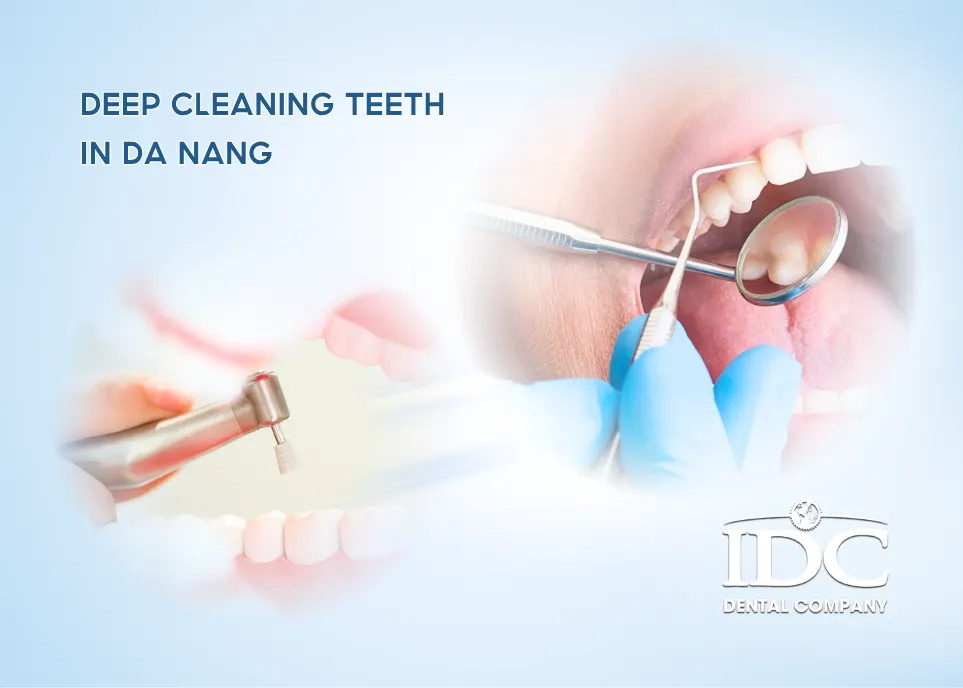
In this guide, you’ll learn what deep cleaning teeth involves, who can benefit from the procedure, its advantages, and what to expect during recovery.
What is deep cleaning teeth?
Deep cleaning teeth is a non-surgical periodontal treatment designed to remove plaque, tartar, and bacteria that have accumulated beneath the gumline. Unlike a routine dental cleaning, deep cleaning targets areas that cannot be reached through normal brushing, flossing, or standard professional cleaning.
The procedure consists of two important steps:
Scaling
Scaling removes plaque, hardened tartar (calculus), and bacteria from both the tooth surface and beneath the gums.
Using ultrasonic instruments and specialized hand tools, the dentist carefully cleans the periodontal pockets where harmful bacteria accumulate.
Root Planing
After scaling, the root surfaces are gently smoothed.
This process removes bacterial toxins and rough areas where plaque tends to collect, making it easier for the gums to reattach to the teeth and reducing the risk of further infection.
Together, scaling and root planing help control gum disease and create a healthier environment for healing.
How is deep cleaning different from regular teeth cleaning?
Many people assume that deep cleaning is simply a more intensive version of a routine cleaning. In reality, the two procedures have different purposes.
A regular dental cleaning is a preventive treatment performed for patients with healthy gums. It removes plaque and tartar above the gumline to help prevent cavities and gum disease.
A deep cleaning, however, is a therapeutic procedure recommended for patients who already show signs of gingivitis or periodontitis. It focuses on cleaning below the gumline and treating the source of gum infection.
If periodontal pockets have formed around the teeth, regular cleaning alone is usually not enough to stop the disease from progressing.
Who needs deep cleaning teeth?
Not everyone requires deep cleaning. Your dentist will recommend it only after examining your gums and measuring periodontal pocket depth.
Common signs that may indicate the need for deep cleaning include:
- Bleeding gums during brushing or flossing
- Swollen or tender gums
- Persistent bad breath
- Gum recession
- Loose teeth
- Heavy tartar buildup
- Periodontal pockets deeper than normal
If left untreated, these symptoms can progress into more advanced gum disease and increase the risk of tooth loss.
Patients with Gingivitis
Gingivitis is the earliest stage of gum disease.
If plaque and tartar have accumulated below the gumline and regular cleaning is no longer sufficient, deep cleaning may help eliminate inflammation before permanent damage occurs.
Patients with Early Periodontitis
When bacteria begin destroying the tissues supporting the teeth, scaling and root planing become the first line of treatment.
Deep cleaning helps remove infection and slows the progression of periodontal disease.
Patients with Moderate Gum Disease
Patients with moderate periodontitis often have deeper periodontal pockets and greater tartar accumulation beneath the gums.
In these cases, deep cleaning plays an important role in reducing bacterial infection and improving gum health.
Patients with Heavy Tartar Build-Up
Some people naturally develop tartar more quickly than others, especially smokers or individuals with inadequate oral hygiene.
If tartar extends beneath the gumline, deep cleaning may be necessary to restore healthy gums.
What causes gum disease that requires deep cleaning?
Understanding why gum disease develops helps explain why deep cleaning is sometimes necessary.
Dental Plaque
Plaque is a sticky film of bacteria that forms continuously on the teeth.
If it is not removed through daily brushing and flossing, it begins to irritate the gums.
Tartar (Calculus)
Over time, plaque hardens into tartar.
Unlike plaque, tartar cannot be removed with a toothbrush and requires professional dental instruments.
When tartar accumulates beneath the gums, it creates an ideal environment for harmful bacteria.
Poor Oral Hygiene
Inadequate brushing and flossing allow plaque and bacteria to remain on the teeth, increasing the risk of gingivitis and periodontitis.
Smoking
Smoking reduces blood circulation to the gums, weakens the immune system, and slows healing.
It is considered one of the strongest risk factors for periodontal disease.
Diabetes
People with poorly controlled diabetes are more likely to develop gum disease, while severe gum disease can also make blood sugar more difficult to control.
Genetic Factors
Some individuals are genetically more susceptible to periodontal disease, even when they maintain relatively good oral hygiene.
Benefits of deep cleaning teeth
Deep cleaning offers numerous advantages for patients with gum disease.
Removes Plaque and Tartar Below the Gumline
The primary goal of deep cleaning is to eliminate harmful bacteria hidden beneath the gums where regular cleaning cannot reach.
Reduces Gum Inflammation
By removing bacterial deposits, deep cleaning helps decrease swelling, redness, and bleeding.
Many patients notice healthier gums within a few weeks after treatment.
Stops the Progression of Gum Disease
Scaling and root planing help control bacterial infection before it causes additional damage to the supporting tissues and jawbone.
Helps Prevent Tooth Loss
One of the biggest benefits of deep cleaning is preserving natural teeth.
By treating gum disease early, patients can reduce the risk of loose teeth and tooth loss.
Improves Bad Breath
Persistent bad breath is often caused by bacteria trapped beneath the gums.
Deep cleaning removes these bacteria and frequently results in noticeably fresher breath.
Promotes Gum Reattachment
Smoothing the tooth roots allows the gums to heal and reattach more effectively, reducing periodontal pocket depth over time.
Supports Better Overall Health
Healthy gums contribute to better overall health.
Research suggests that controlling periodontal disease may help reduce chronic inflammation associated with conditions such as diabetes and cardiovascular disease.
What happens during a deep cleaning appointment?
Before treatment begins, your dentist will perform a comprehensive periodontal examination.
This usually includes:
- Reviewing your medical and dental history.
- Examining the gums for signs of inflammation.
- Measuring periodontal pocket depth.
- Checking for gum recession and tooth mobility.
- Taking digital X-rays or CT imaging if necessary.
Based on these findings, the dentist will determine whether deep cleaning is the most appropriate treatment and develop a personalized periodontal care plan.
After the examination, treatment is usually performed under local anesthesia to maximize patient comfort. Depending on the extent of gum disease, the mouth may be treated in one visit or divided into multiple appointments.
 WhatsApp