
General dental care is the foundation of a healthy smile and plays a vital role in maintaining long-term oral health. Whether you are dealing with minor dental concerns or want to keep your teeth and gums in optimal condition, general dentistry provides essential treatments designed to prevent, diagnose, and treat a wide range of oral issues.
From routine dental checkups and professional cleanings to fillings and root canal treatments, general dentistry covers everything you need to protect your smile. It is suitable for patients of all ages—from children developing their first teeth to adults and seniors who require ongoing dental care.
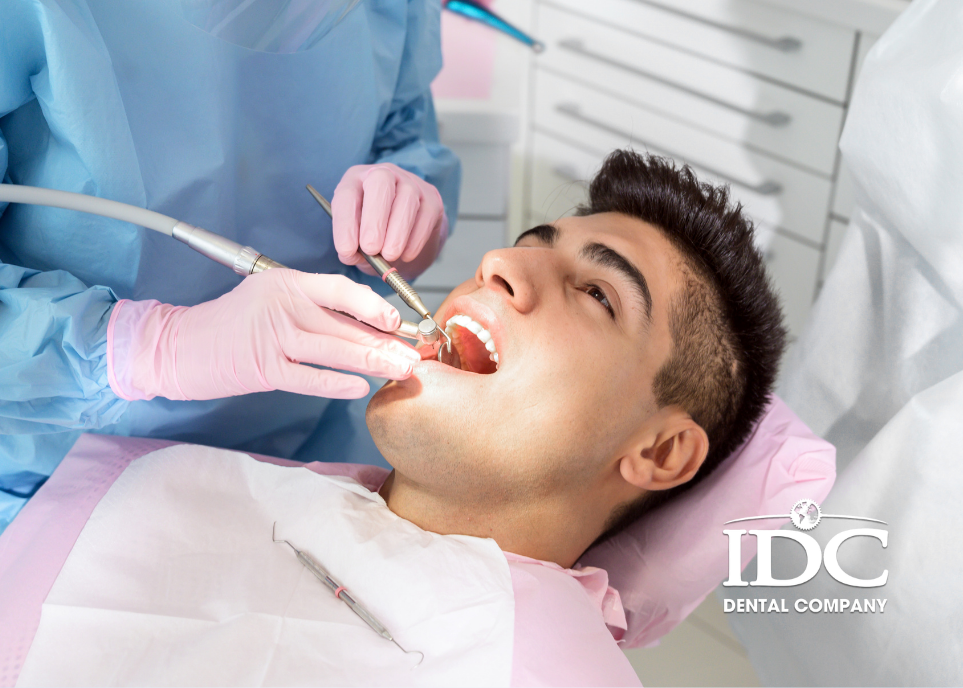
Understanding the importance of general dentistry and the treatments involved can help you make better decisions about your oral health and avoid costly or complex procedures in the future.
Why General Dental Care Services Are Important for Oral Health
General dentistry is not just about fixing dental problems—it is about preventing them before they become serious.
Preventing Common Dental Issues
Regular visits to a general dentist help prevent:
- Tooth decay (cavities)
- Gum disease (gingivitis, periodontitis)
- Plaque and tartar buildup
By addressing these issues early, patients can avoid pain, infection, and tooth loss.
Early Detection of Serious Conditions
Routine dental exams allow dentists to detect:
- Oral infections
- Gum disease progression
- Early signs of oral cancer
Early detection significantly improves treatment success and reduces risks.
Connection Between Oral Health and Overall Health
Poor oral health has been linked to systemic conditions such as:
- Heart disease
- Diabetes
- Respiratory infections
Maintaining good oral hygiene through general dentistry can positively impact your overall well-being.
Cost-Effective Care
Preventive treatments are far more affordable than restorative procedures. A simple cleaning today can prevent expensive treatments like implants or crowns in the future.
Common General Dental Care Services
General dentistry includes a wide range of essential treatments that address both preventive and restorative needs.
Dental Checkups and Oral Exams
Routine dental checkups are the cornerstone of oral health.
What happens during a checkup:
- Examination of teeth and gums
- Detection of cavities or infections
- Digital X-rays for deeper analysis
- Oral cancer screening
Recommended frequency:
Most patients should visit the dentist every 6 months, although some may require more frequent visits depending on their condition.
Professional Teeth Cleaning (Scaling & Polishing)
Even with proper brushing and flossing, plaque can harden into tartar, which cannot be removed at home.
Benefits of professional cleaning:
- Removes plaque and tartar
- Prevents gum disease
- Freshens breath
- Improves overall oral hygiene
Professional cleaning is essential for maintaining healthy gums and preventing long-term dental problems.
Dental Fillings for Cavities
Cavities are one of the most common dental issues and occur when bacteria damage tooth enamel.
Types of dental fillings:
- Composite (tooth-colored)
- Amalgam (metal-based)
- Ceramic (high durability and aesthetics)
Procedure:
- Removal of decayed portion
- Cleaning of the cavity
- Filling with appropriate material
Fillings restore the function and structure of the tooth while preventing further decay.
Tooth Extractions
Sometimes, a tooth cannot be saved and must be removed.
Common reasons for extraction:
- Severe decay
- Advanced gum disease
- Impacted wisdom teeth
- Overcrowding
Types of extraction:
- Simple extraction (visible tooth)
- Surgical extraction (impacted or broken tooth)
Proper aftercare is essential to ensure healing and prevent complications.
Root Canal Treatment
A root canal is required when the pulp inside the tooth becomes infected.
Signs you may need a root canal:
- Severe tooth pain
- Sensitivity to hot or cold
- Swelling or abscess
Procedure steps:
- Removal of infected pulp
- Cleaning and disinfection
- Sealing the tooth
Modern root canal treatments are comfortable and highly effective in saving natural teeth.
Preventive Dentistry: The Key to Long-Term Oral Health
Preventive care is one of the most important aspects of general dentistry.
Fluoride Treatments
Strengthen enamel and protect against cavities, especially in children.
Dental Sealants
A protective coating is applied to molars to prevent decay.
Oral Hygiene Education
Dentists provide guidance on:
- Proper brushing techniques
- Flossing habits
- Choosing the right dental products
Diet and Lifestyle Advice
Reducing sugar intake and avoiding smoking significantly improves oral health.
Signs You Need General Dental Treatment
Ignoring early warning signs can lead to serious dental issues.
Common symptoms include:
- Tooth pain or sensitivity
- Bleeding or swollen gums
- Persistent bad breath
- Loose or chipped teeth
- Facial swelling or infection
If you experience any of these symptoms, it is important to seek dental care immediately.
How Often Should You Visit a General Dentist?
The ideal frequency depends on your oral health condition.
General recommendations:
- Every 6 months for routine checkups
- Every 3–4 months for patients with gum disease
- More frequent visits for high-risk individuals
High-risk groups include:
- Smokers
- Diabetic patients
- Individuals with a history of gum disease
A personalized dental plan ensures optimal care and long-term results.
Choosing the Right General Dentist
Selecting the right dentist is crucial for quality care.
Key factors to consider:
- Qualifications and experience
- Modern technology (digital X-rays, scanners)
- Clean and hygienic environment
- Transparent pricing
- English-speaking staff (for international patients)
A good dental clinic should provide both professional care and a comfortable patient experience.
Cost of General Dental Care Services
The cost of general dentistry varies depending on several factors.
Common price ranges:
- Dental checkup: $10 – $50
- Teeth cleaning: $20 – $100
- Fillings: $30 – $150
- Root canal: $150 – $500
Factors affecting cost:
- Location of the clinic
- Dentist’s experience
- Materials used
- Complexity of treatment
Many patients choose countries like Vietnam for dental care due to high-quality services at significantly lower costs compared to the US or Australia.
General Dental Care for International Patients
Dental tourism is growing rapidly, especially in Southeast Asia.
Why do patients choose Vietnam?
- Affordable prices
- Modern dental technology
- Experienced dentists
- Short waiting times
International patients can combine dental treatments with travel, making it a cost-effective and convenient option.
Tips to Maintain Good Oral Health at Home
Daily care plays a major role in preventing dental problems.
Essential habits:
- Brush twice a day with fluoride toothpaste
- Floss daily
- Use mouthwash when necessary
- Replace toothbrush every 3 months
Healthy lifestyle choices:
- Limit sugary foods and drinks
- Drink plenty of water
- Avoid smoking and excessive alcohol use
Consistency in these habits helps maintain a healthy smile.
Frequently Asked Questions (FAQs)
Is general dentistry painful?
Most procedures are painless thanks to modern techniques and anesthesia.
How long does a dental checkup take?
Typically, 30–60 minutes depending on the examination.
Can I combine treatments in one visit?
Yes, many clinics offer multiple treatments in a single appointment.
What happens if I skip dental visits?
Skipping visits can lead to undetected problems, resulting in more complex and costly treatments.
 WhatsApp